











Introduction
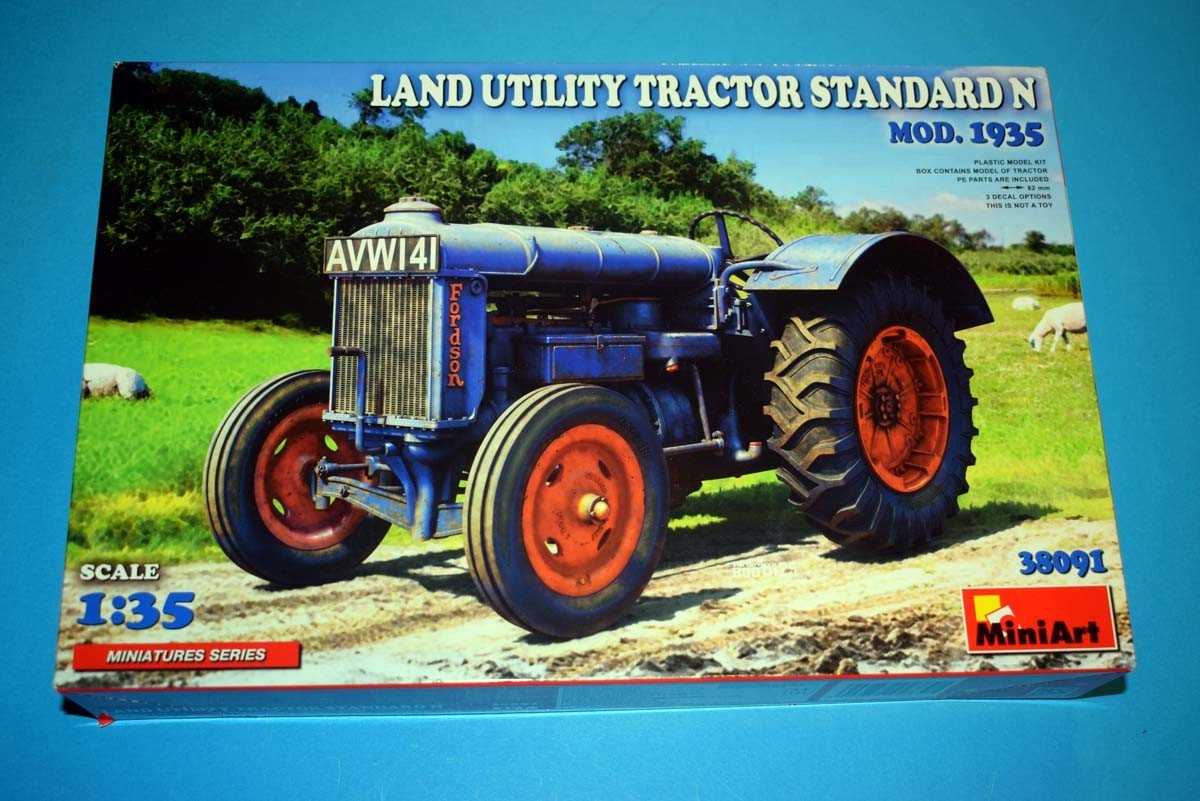
The Land Utility Tractor Standard N Mod. 1935 is a British agricultural and utility tractor manufactured by Fordson, a division of Ford, from the 1930s until 1945. It was an improved version of the earlier Fordson Model F and was produced in Dagenham, England, and Cork, Ireland.
Key characteristics of the Model N (1935)
Engine: It featured a 4.4-liter, 4-cylinder engine that could run on either kerosene or gasoline and produced 27 horsepower.
Land Utility variant: In 1935, a "Land Utility" version became available with pneumatic tires instead of the standard steel wheels, making it more versatile for non-agricultural roles. This model also included an oil-bath air cleaner and a revised cylinder head.
Features: Additional options in 1935 included electric lights and a starter. A power take-off (PTO) was also available. The Land Utility model, in particular, was often equipped with electric lighting and a horn.
Robust construction: Known for its tough, straightforward engineering, the tractor had a heavy pressed-steel chassis and was easy to operate and maintain, even in rough conditions.
Wartime service
The Standard N tractor played a vital role in both civilian and military capacities during World War II.
Civilian use: Its primary role was on farms across the United Kingdom, where it helped maintain food supplies.
Military use: When the war began, many were requisitioned for military service by the British Army and Allied forces. They were commonly used for:
Towing trailers, including bomb trolleys.
Towing field artillery and other logistical tasks.
Acting as support vehicles on airbases.
Colours: The tractors were initially painted dark blue or orange. During the war, the brighter orange tractors were often repainted in darker, less visible colours for camouflage.
Review
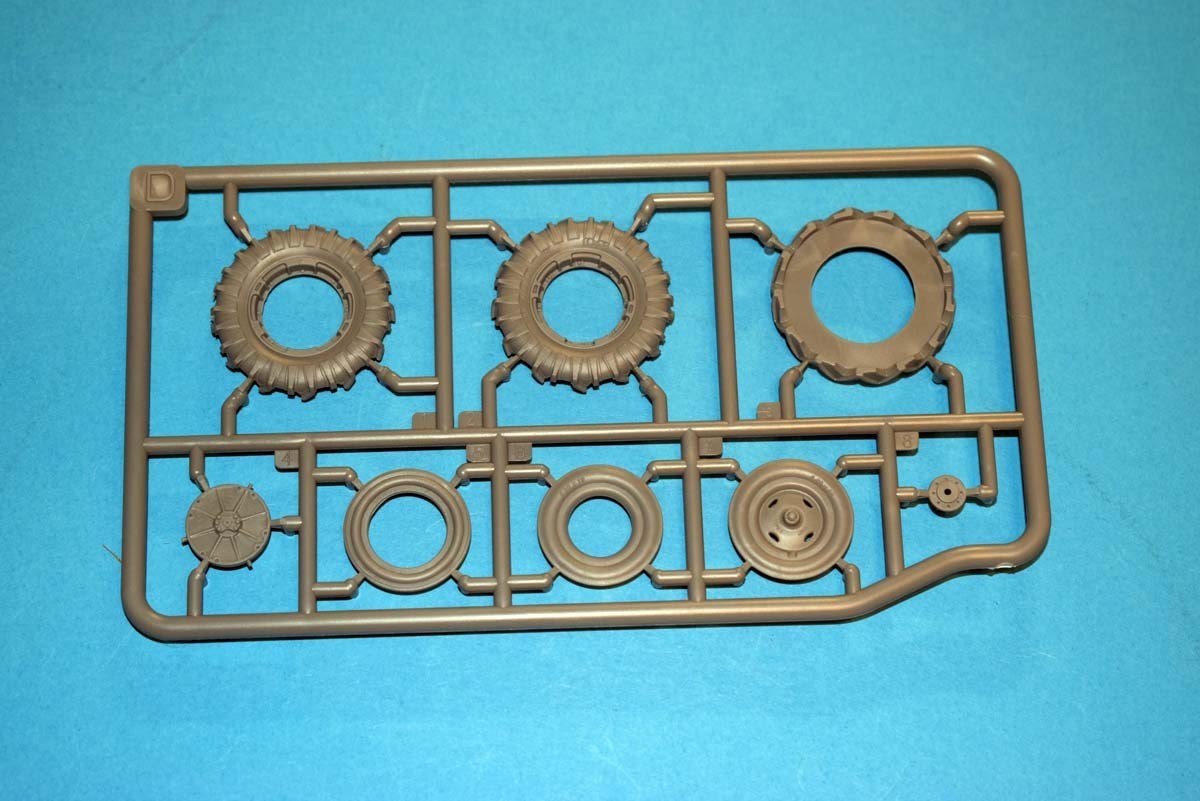
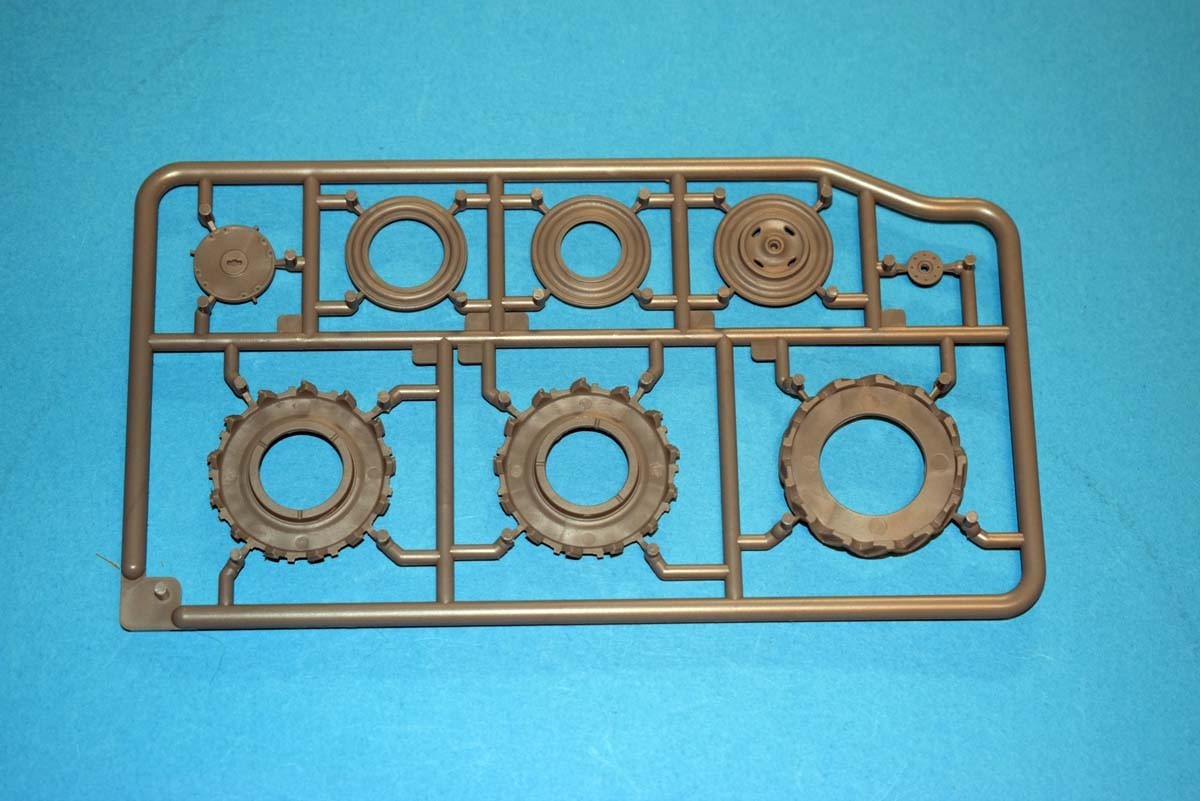
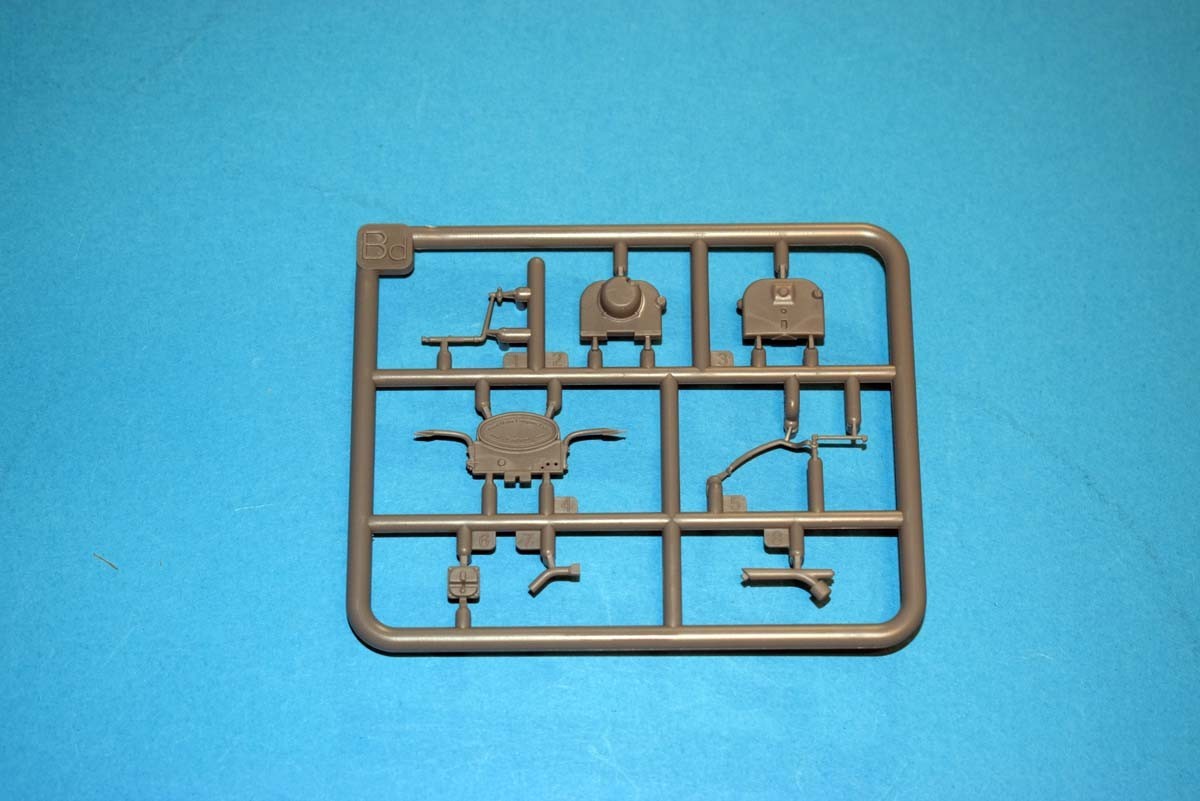
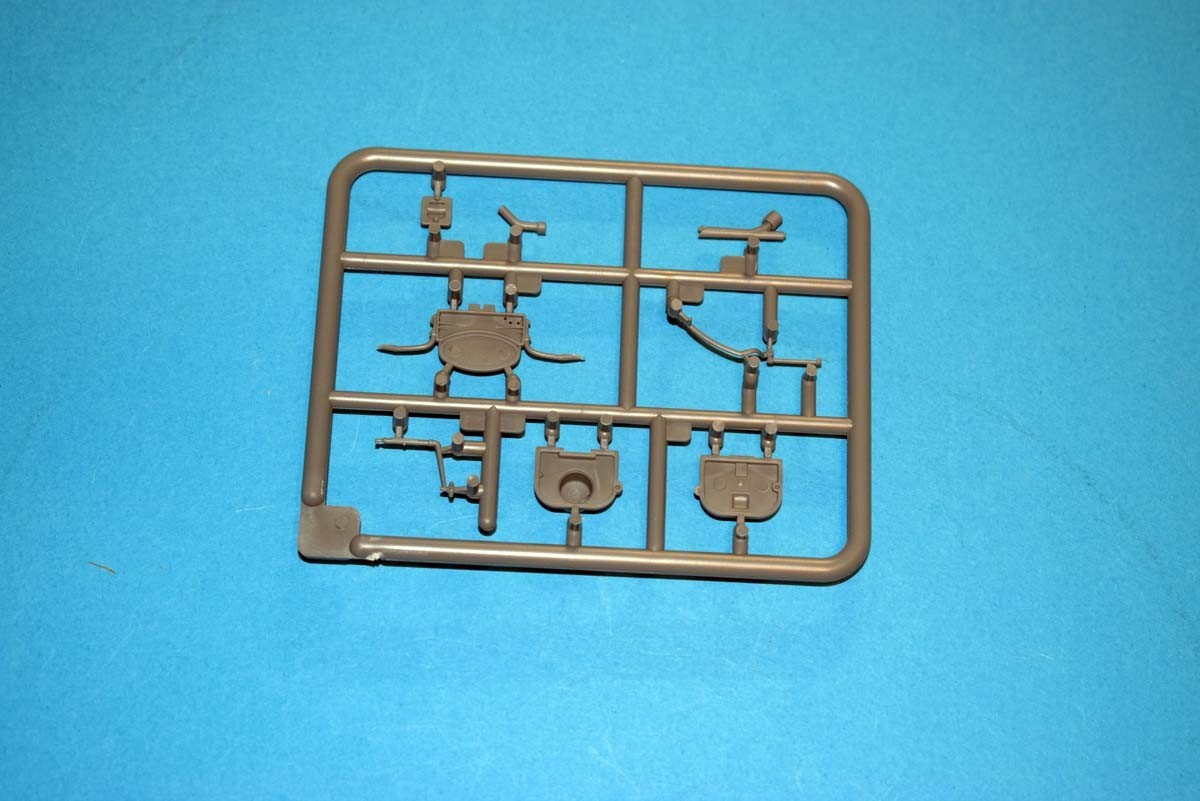
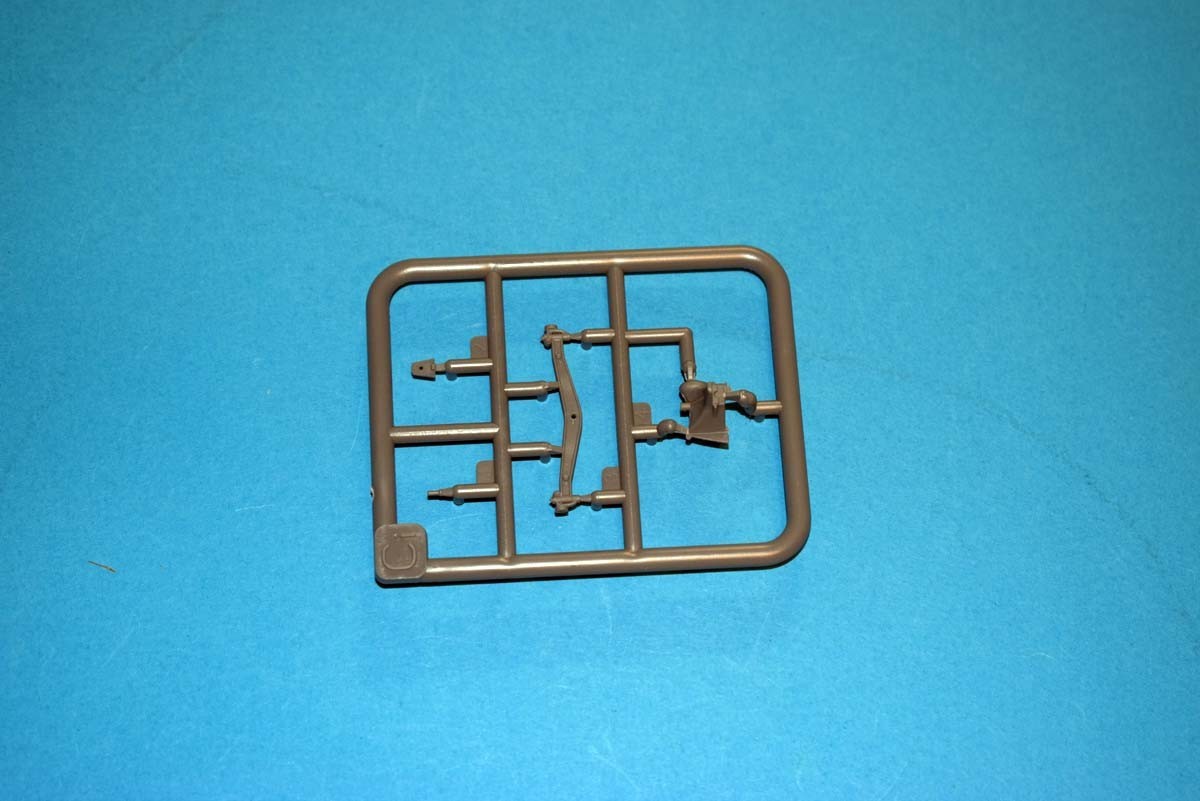
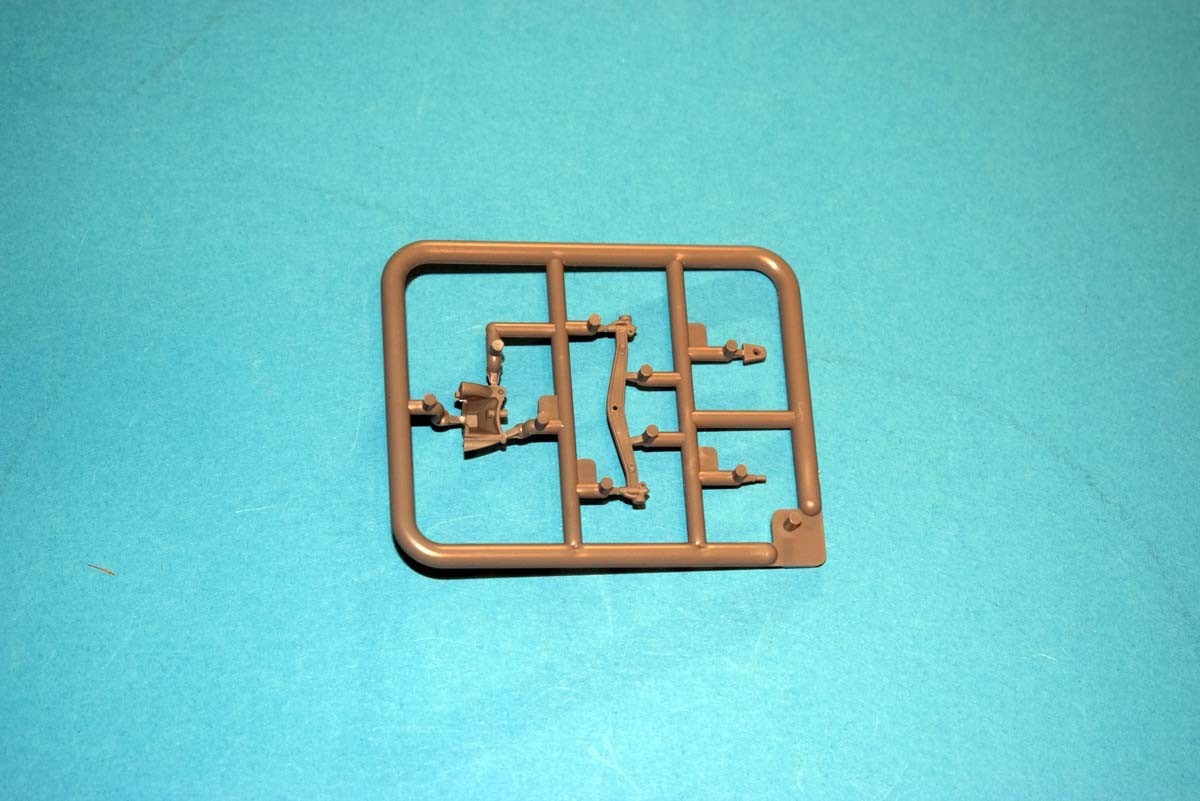
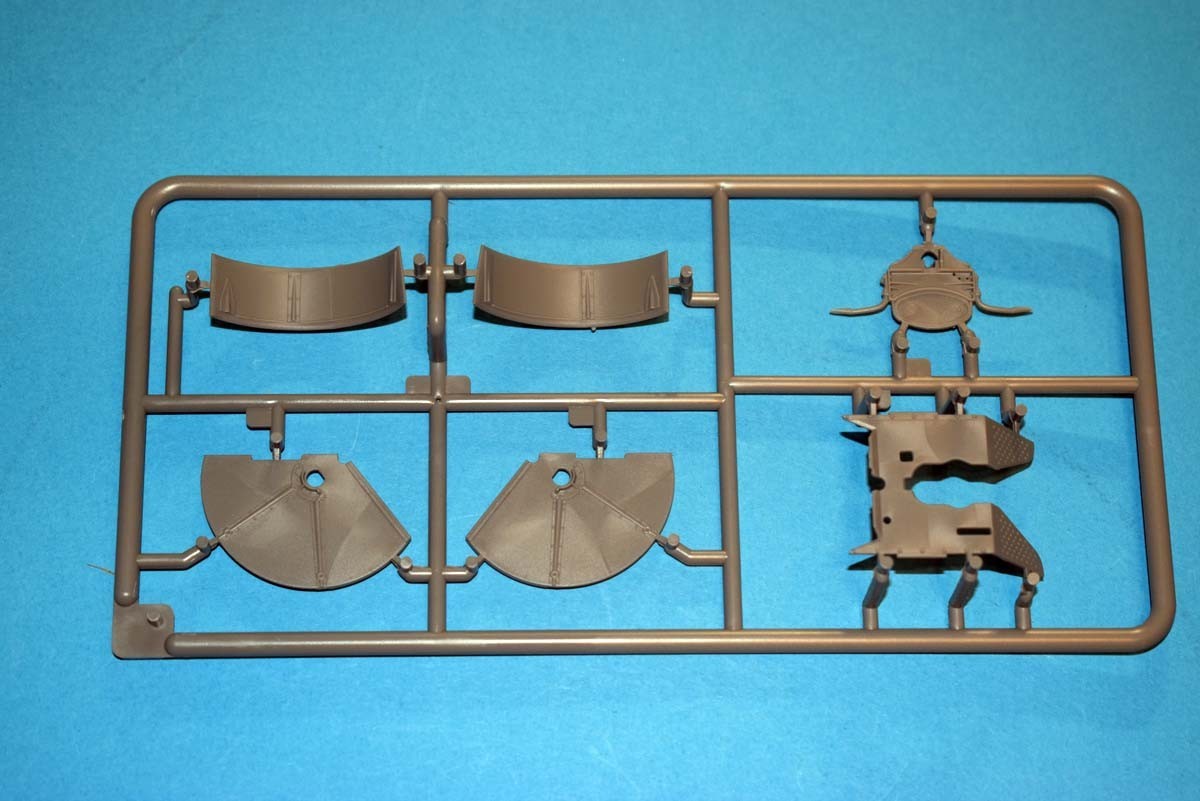
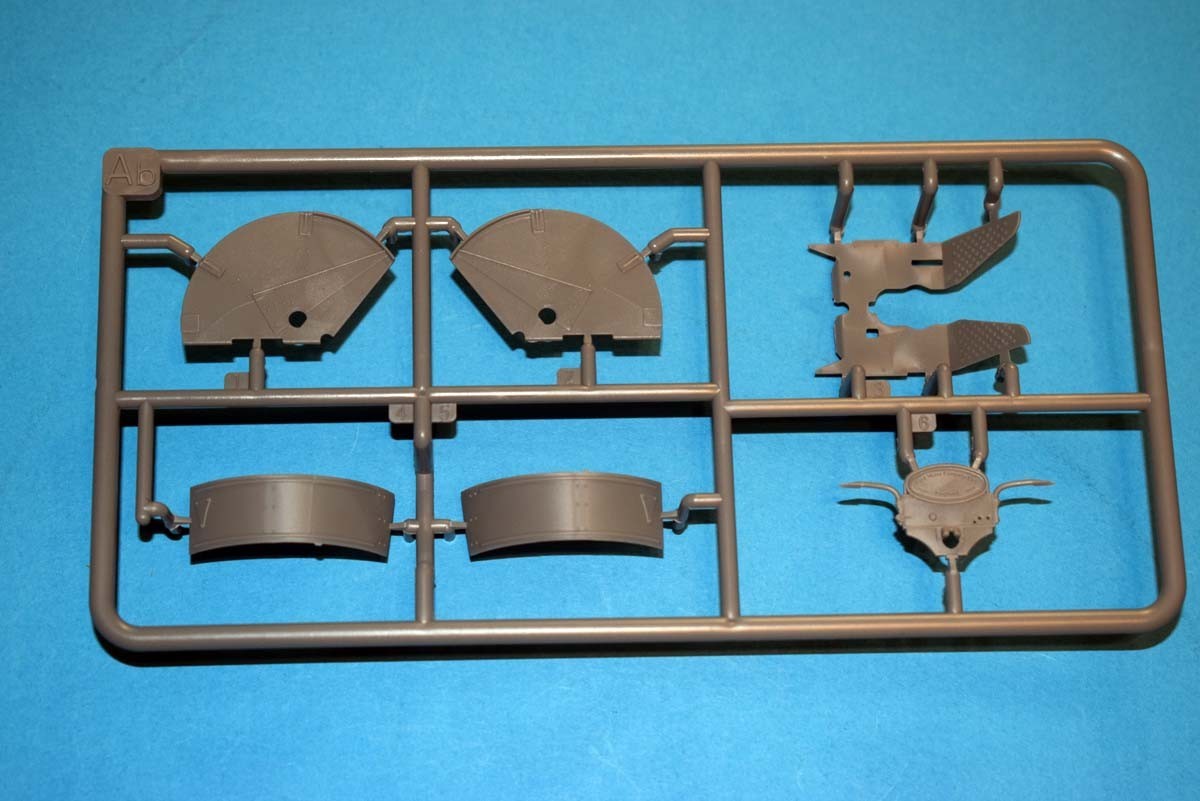
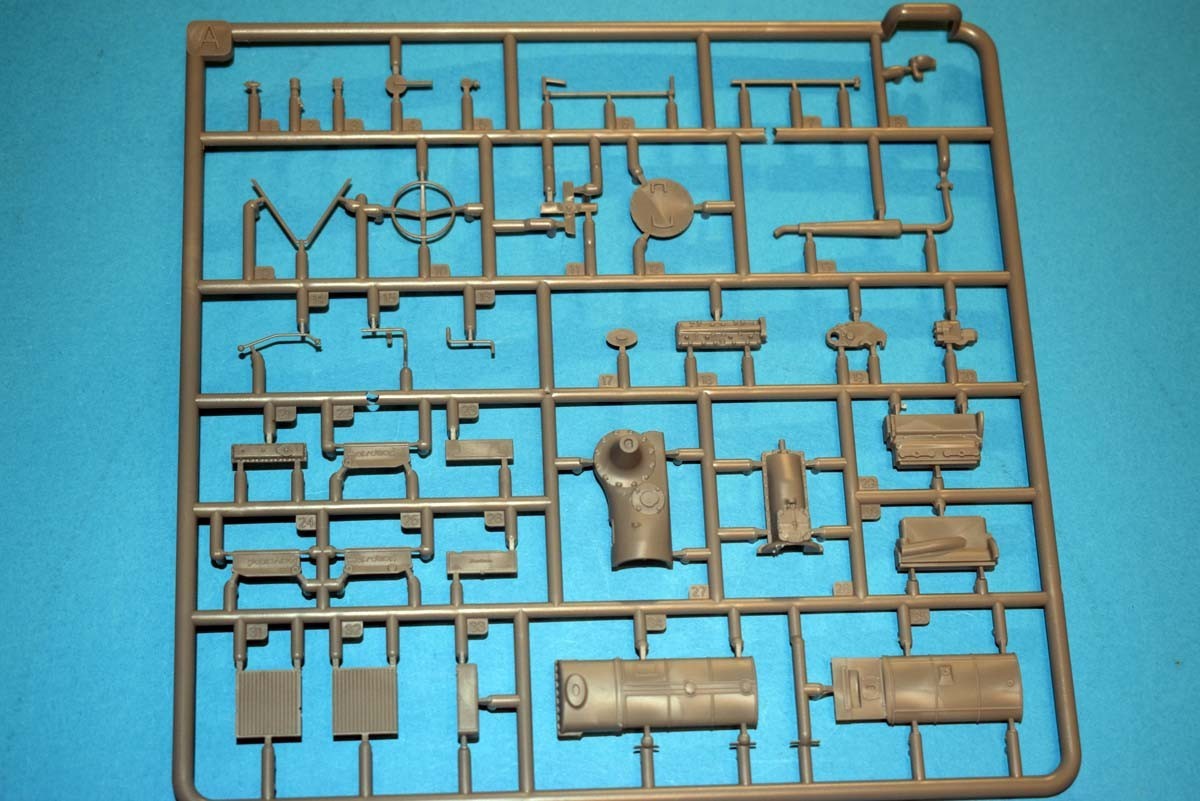
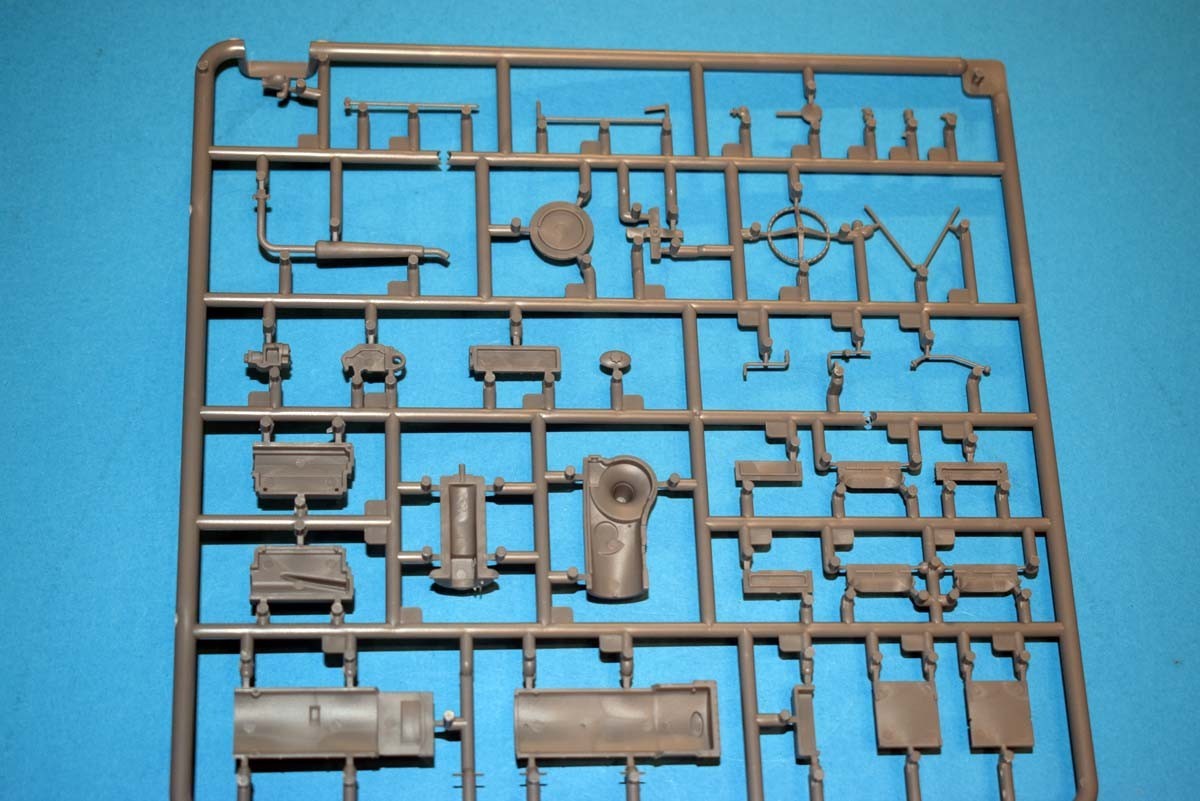
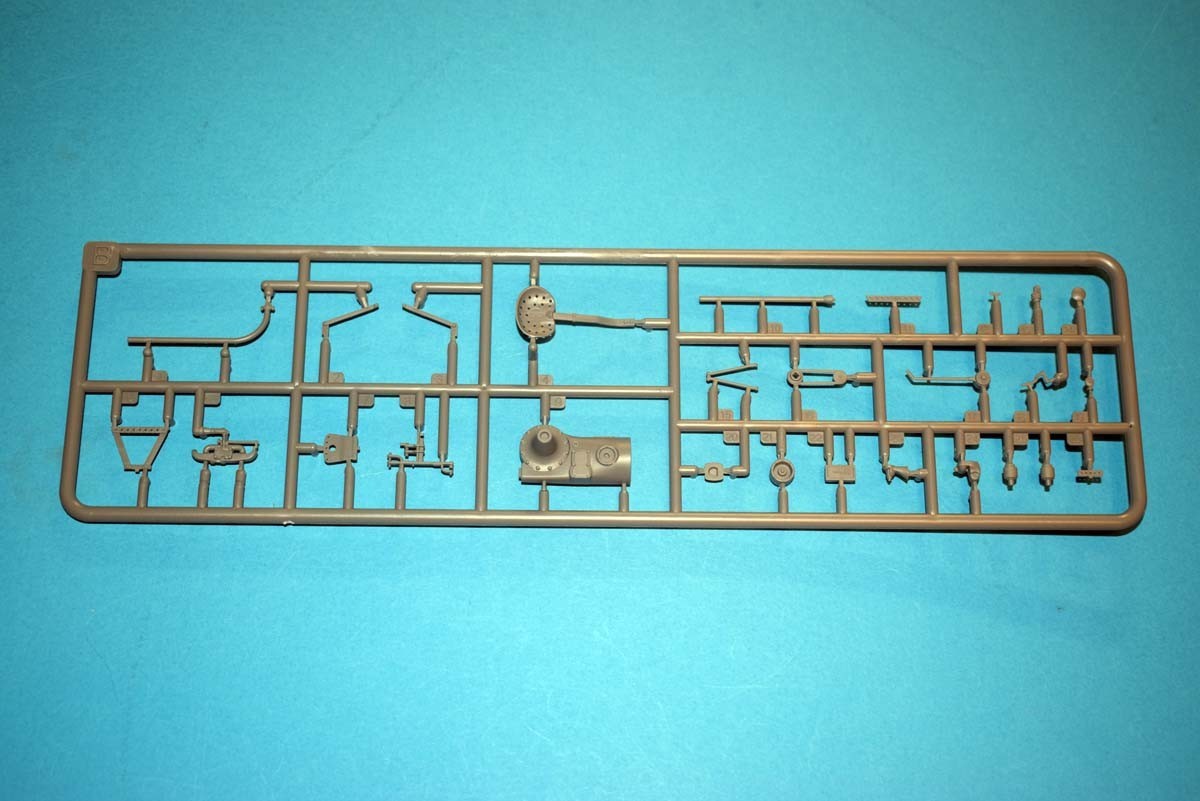
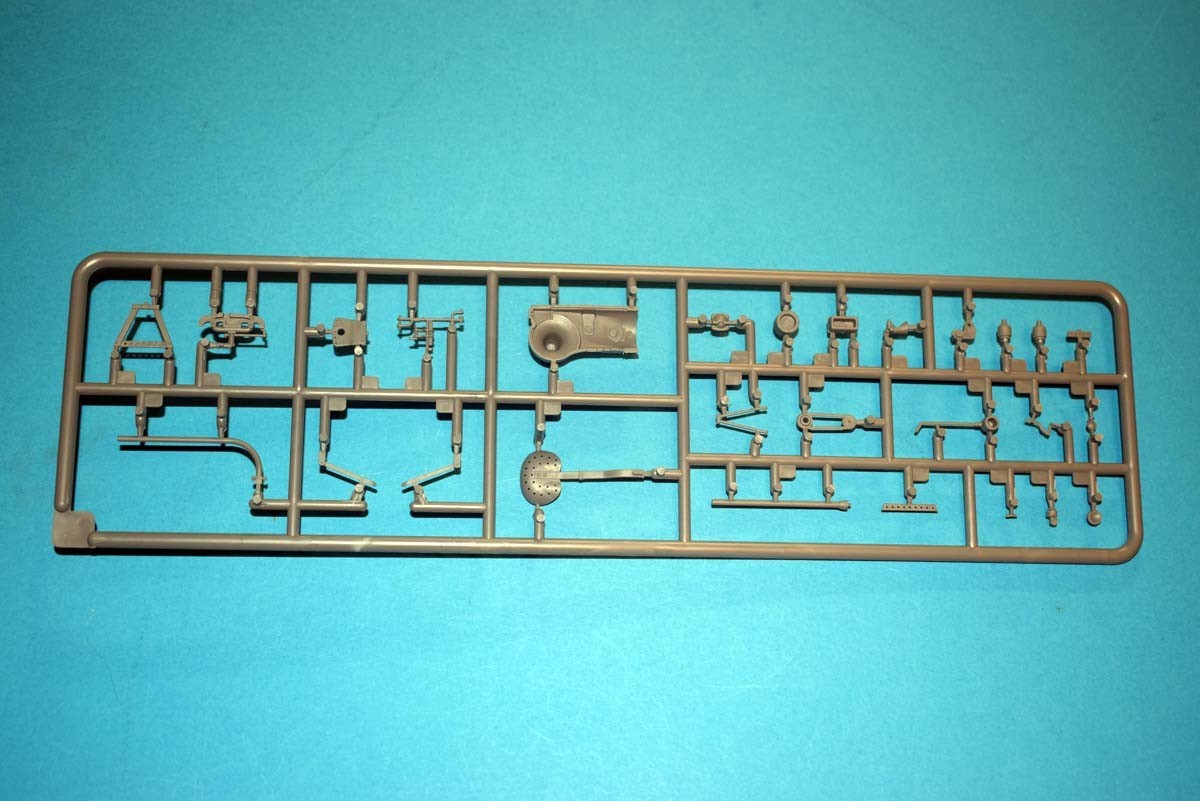
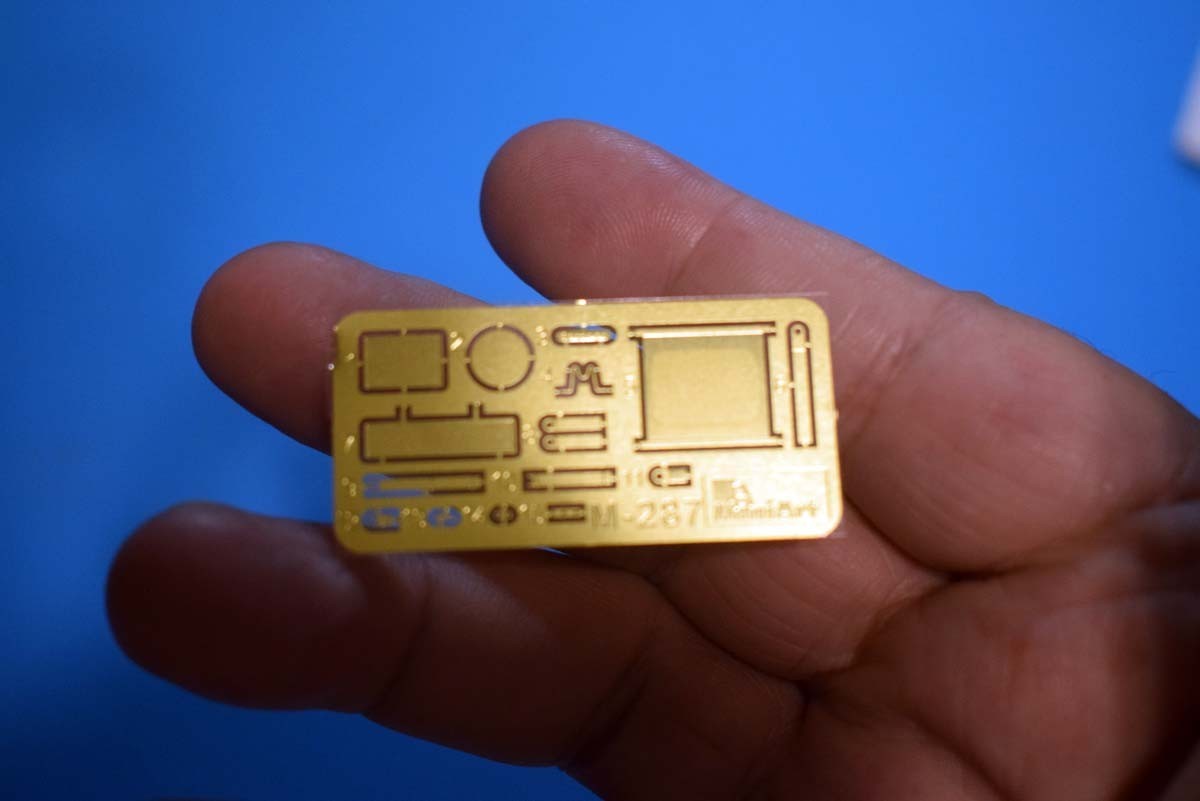
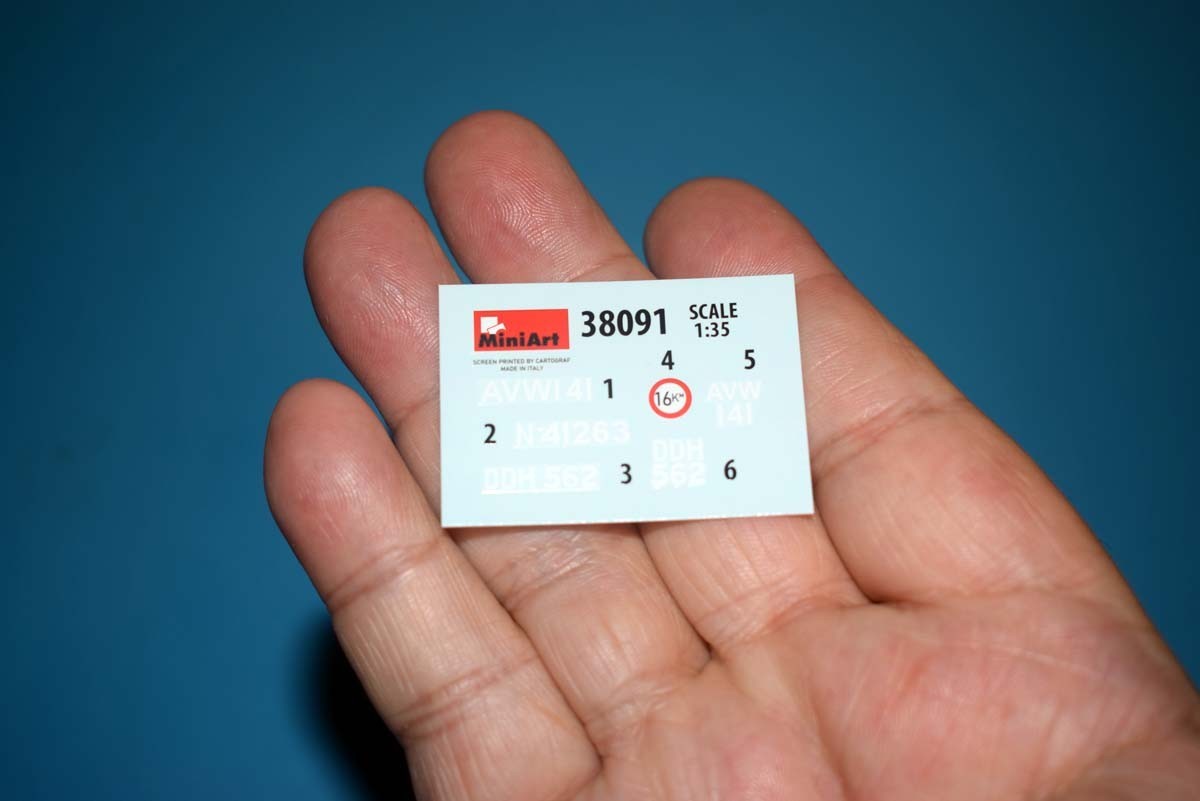
This offering from MiniArt in 1/35th scale arrives in a cardboard tray, with a separate card lid with the artwork on it. Inside is a single plastic bag, that contains all of the sprues plus an additional plastic bag containing the photo etch and decals. The instruction booklet is loose inside the box, and examination of the parts reveals no obvious damage or moulding issues. Access for parts removal is good, however in typical MiniArt fashion there are some very small and fragile elements that could easily be broken during removal - So take care, sharp snippers and a razor saw may be required.
The combustion engine of this vehicle is fully exposed and so an important aspect of the kit. Detail is of a very high stardard for a kit of this scale, and the addition of some wires will really make the detail stand out. The cab to the rear of the engine, has a good tread detail on the floor and the seat is one of the early types that is basically supported on a leaf spring, and this detail has been well replicated. Something that I expected to find, but is not present is a coil spring beneath the seat which is usually the secondary form of suspension for the seat. But this must be one of those oddities that did not utilise that. The controls for operating the tractor appear to be very well replicated, but I cannot confirm accuracy as I could not find good reference for the model.
The fuel tank, or at least what I believe to be the fuel tank forms the shelter above the engine, and so may be partially structural. This also mounts a very nicely detailed radiator for the cooling system. The front wheels are locked in the dead ahead position, but with this being a tractor I don’t really consider that being an issue. The wheels themselves are nicely detailed, with the large rear drive wheels showing the detail to a high degree due to having a tread detail inner part with separate tyre walls. The final main element is the mud guards, and again these have very nice detail on them.
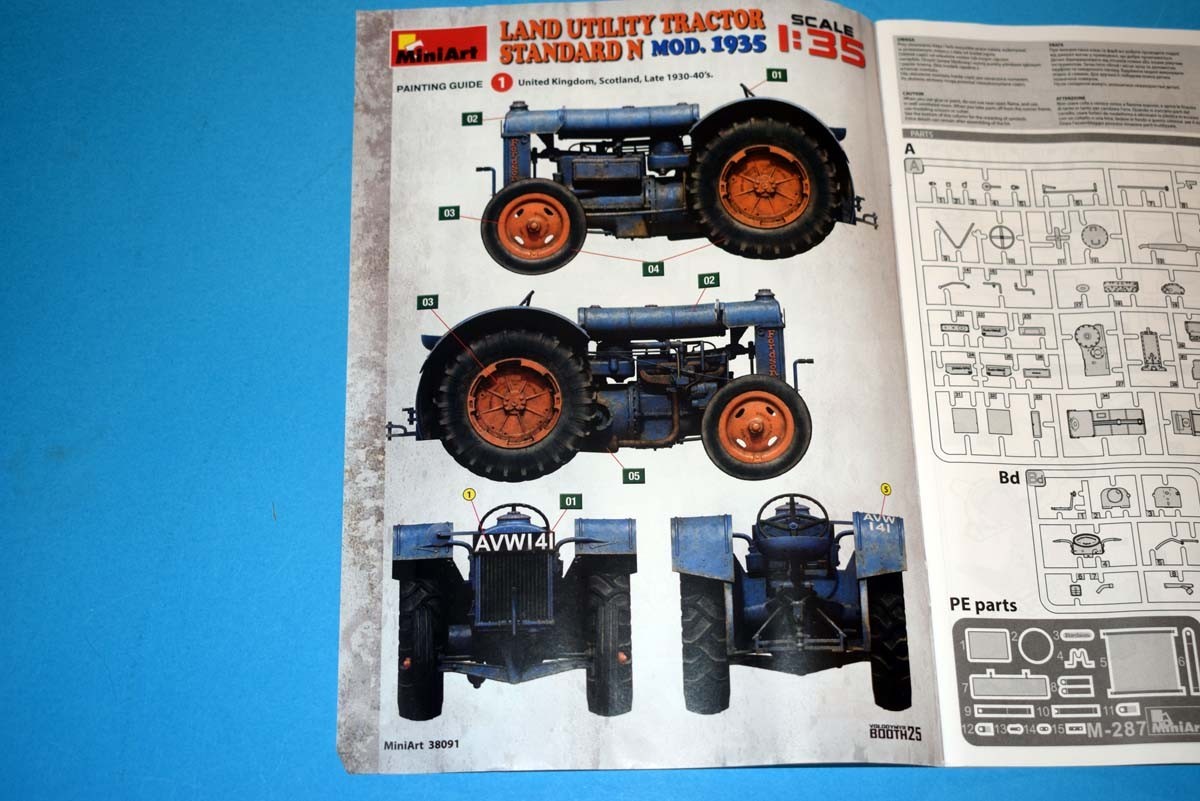
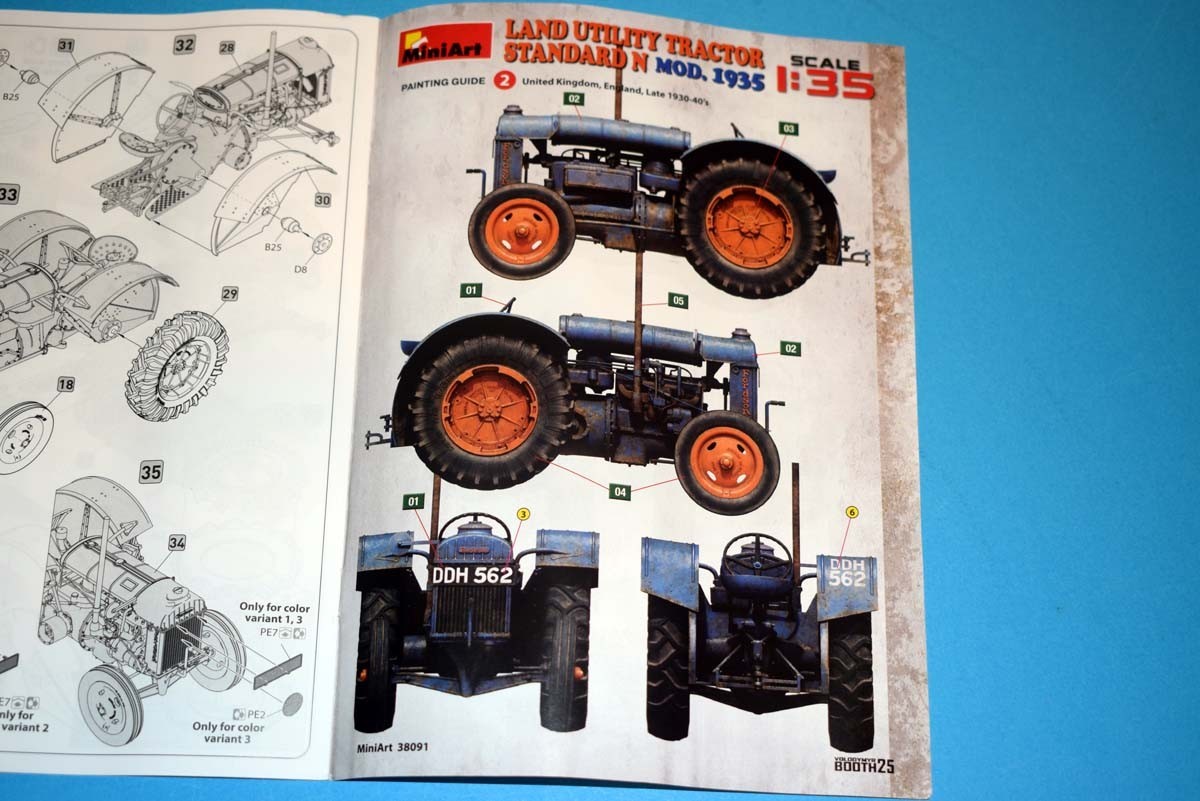
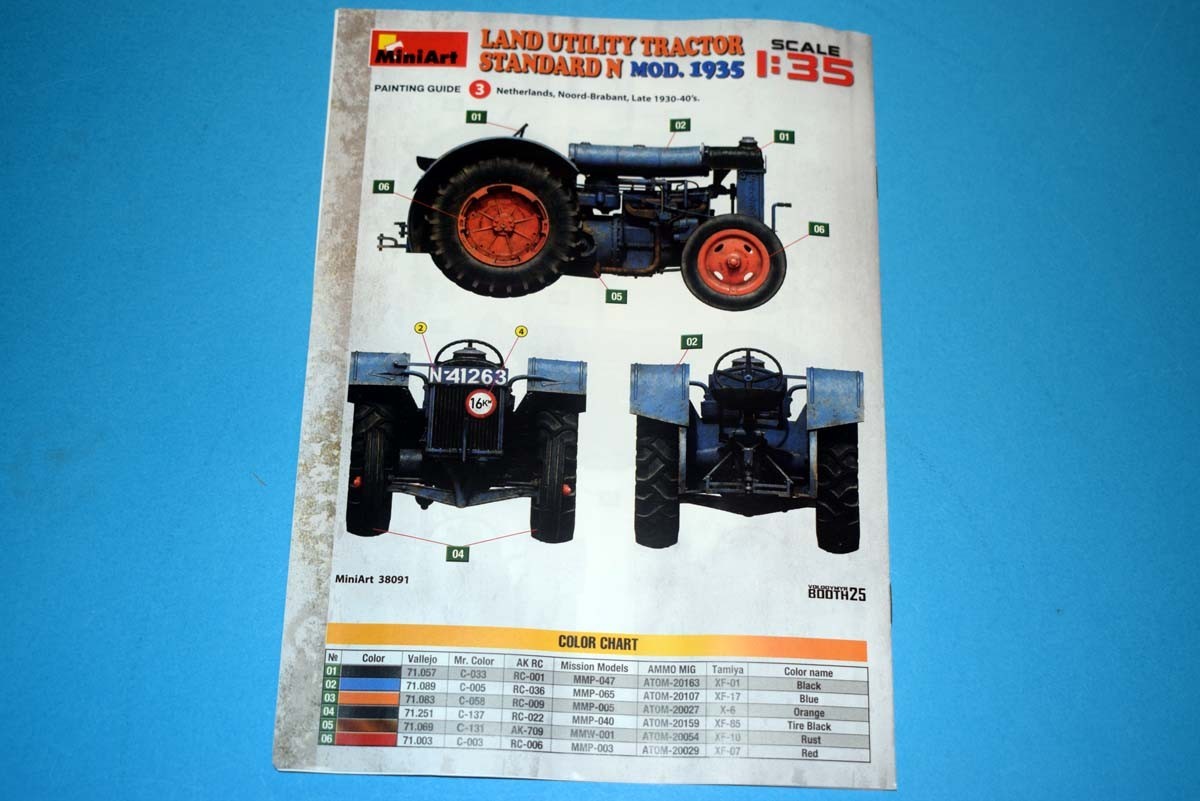
3 finishing options are provided for this release, and I think it is a case of Henry Ford having said “!Paint them blue”…
The finishing options are:
United Kingdom, Scotland, Late 1930 - 40s
United Kingdom, England, Late 1930 - 40s
Netherlands, Noord - BRABANT, Late 1030 - 40s