











HISTORY:
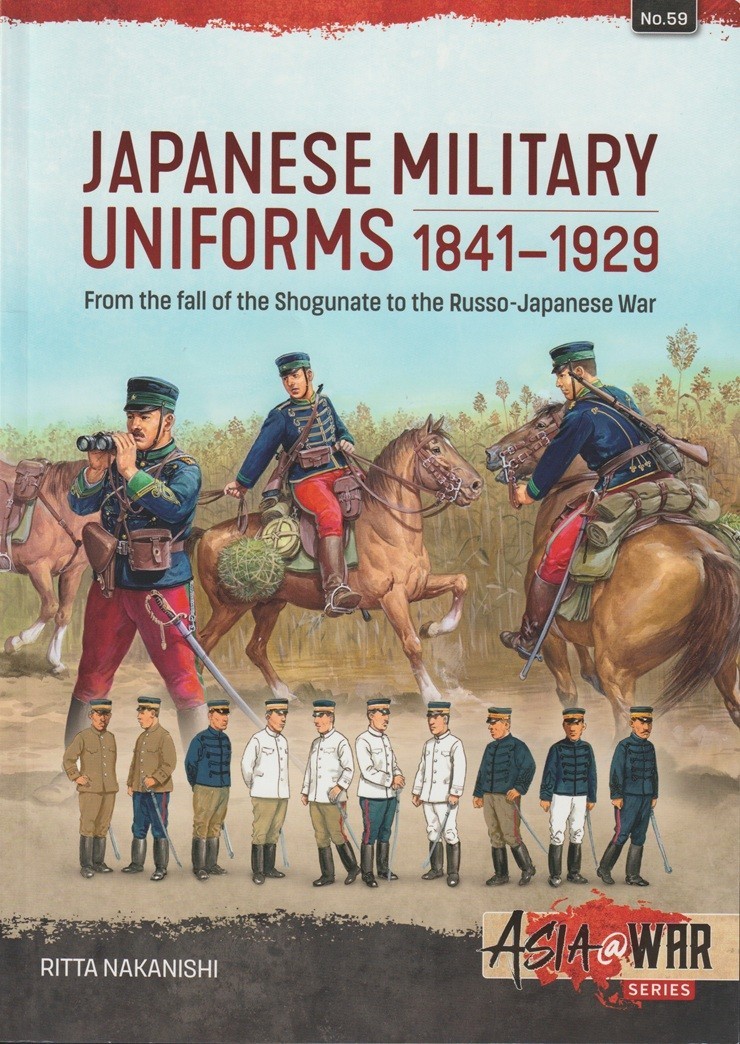
** Japanese Military Uniforms 1841–1929: From the Fall of the Shogunate to the Russo-Japanese War is the definitive English-language visual history of the dramatic transformation of Japan’s armed forces. Beginning with the final decades of Tokugawa rule — when powerful domains such as Satsuma and Chōshū fielded private armies and modern weapons to challenge the shogunate — this volume charts the birth and evolution of Japan’s first national military, forged in the upheaval of the Meiji Restoration.
Lavishly illustrated throughout, the book captures a period in which Japanese warriors stood at the meeting point of tradition and modernity. Samurai in distinctive clan dress fought alongside troops newly equipped with Western rifles, uniforms, and artillery, while foreign military missions from France, Britain, and Prussia brought new training, doctrine, and organization to the emerging Imperial Army and Navy. Detailed artwork, historical photographs, and technical drawings document every major reform — from the founding of modern military academies and the introduction of conscription to the creation of standardized infantry, cavalry, artillery, and naval dress.
Illustrator and historian Ritta Nakanishi brings exceptional expertise to this portrayal of Japan’s military modernization. The volume covers a remarkable range of subjects, including:
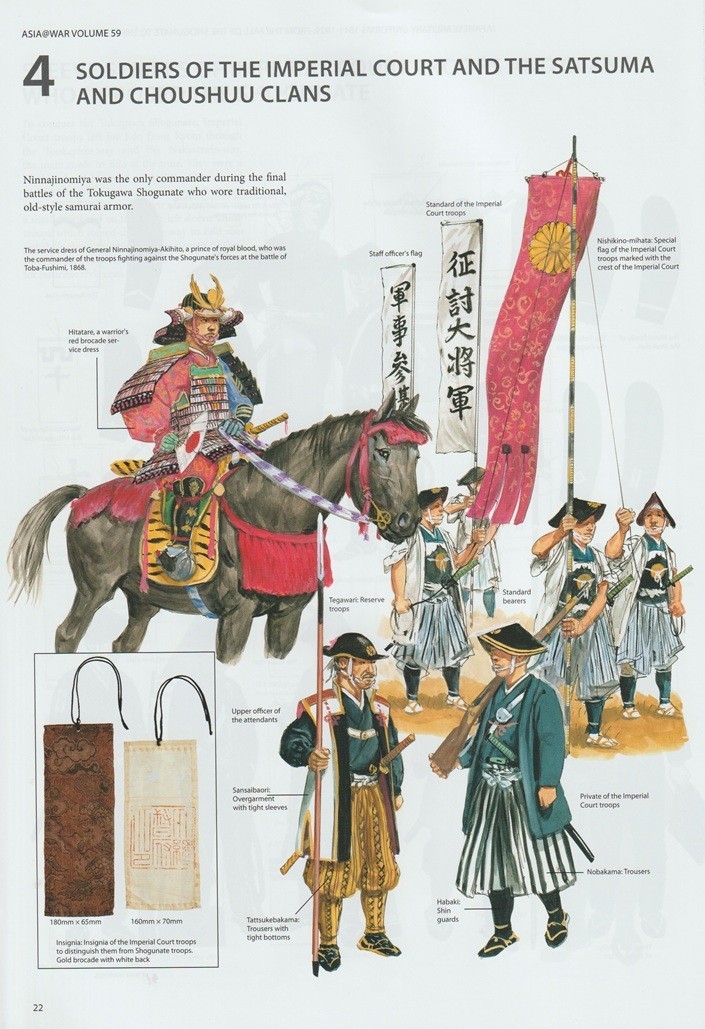
• Uniforms and insignia of Tokugawa troops and pro-Imperial forces
• Clan markings and battlefield attire of the Boshin War
• Weapons and equipment from matchlocks to Chassepot rifles
• The shift from French to Prussian military models
• Imperial Guard, conscript army, and early expeditionary forces
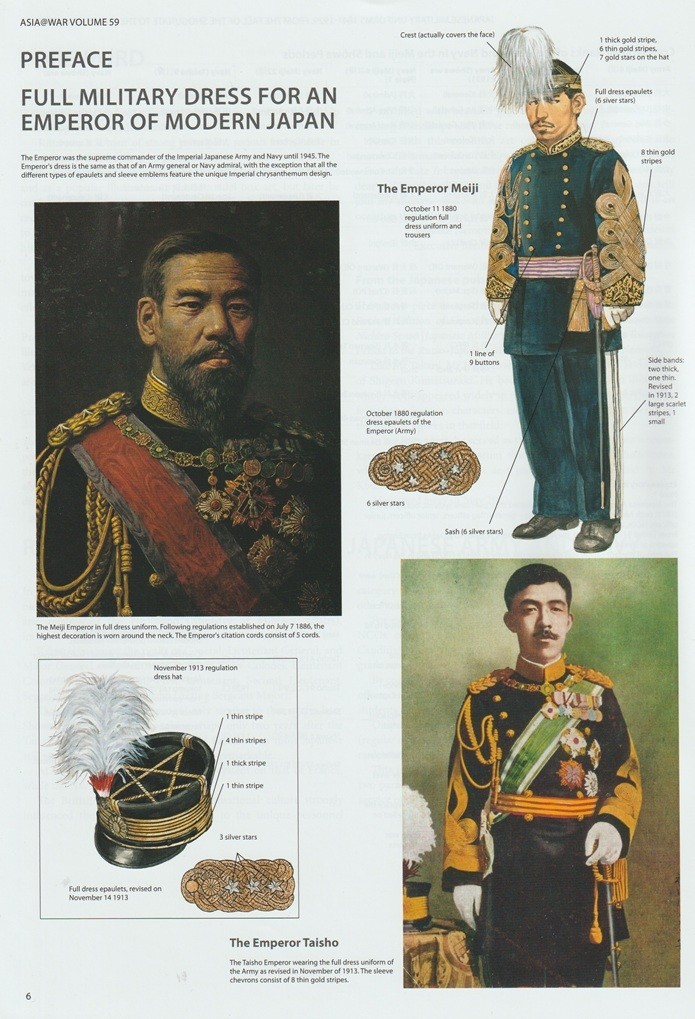
• Dress of the Emperor as supreme military commander
• Full-color plates of Army and Navy officers and enlisted men through the Russo-Japanese War
Covering nearly nine decades of rapid and often violent change, this is not merely a study of uniforms — it is a vivid visual history of Japan’s rise as a modern military power. For collectors, reenactors, historians, modelers, and anyone interested in the evolution of armed forces during a pivotal era. Japanese Military Uniforms 1841–1929 offers an unmatched depth of detail and accuracy, presenting a complete picture of the soldiers, sailors, and leaders who shaped the destiny of modern Japan. **
** Quoted from the back cover of the book and the Helion & Company website.
THE BOOK:
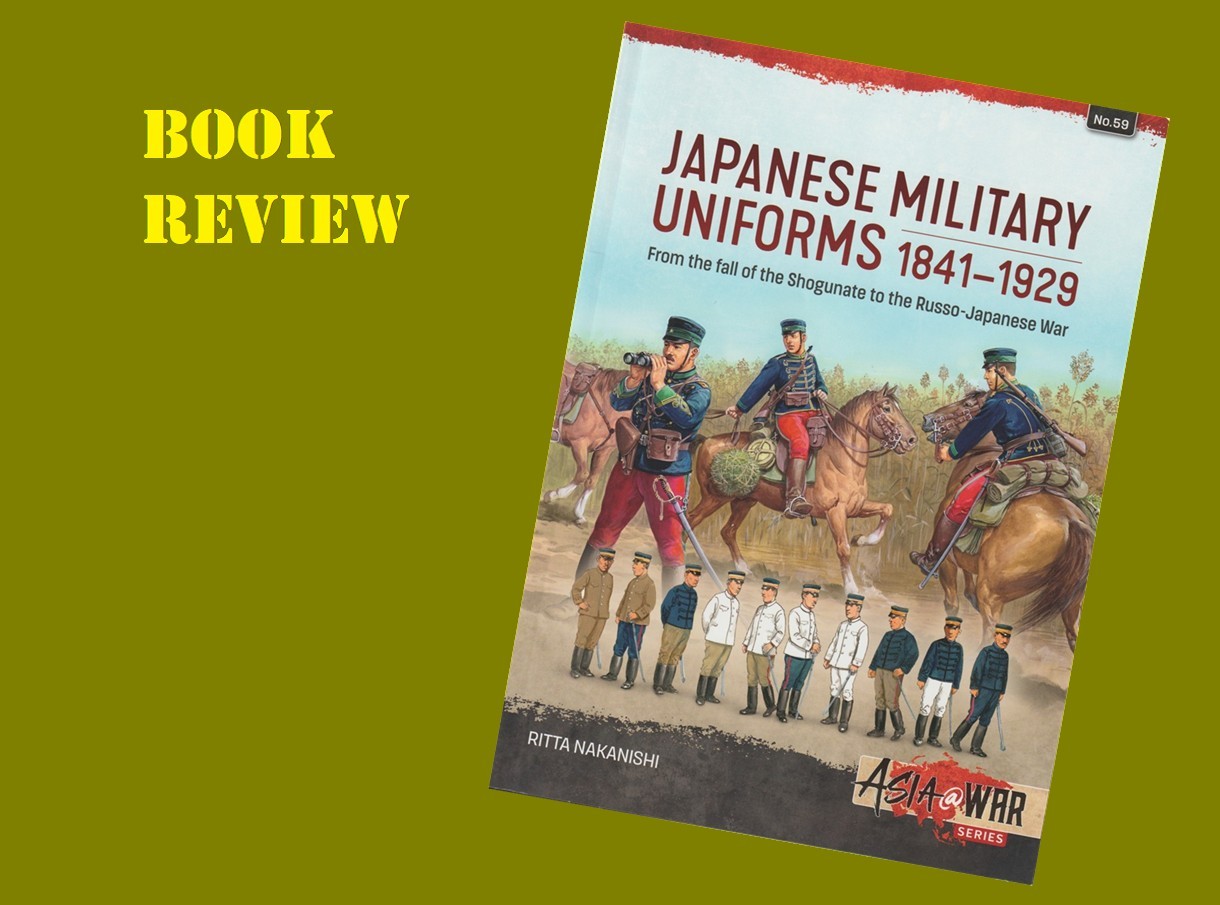
Helion & Company has released Japanese Military Uniforms 1841-1929, From the fall of the Shogunate to the Russo-Japanese War, as No. 59 in their Asia @ War series of books. It is an 88-page softcover book, 8.3 x 11.7 inches in size. Included with the text are black and white and color photographs, black and white and color illustrations, diagrams, tables and more. The book has a 2025 copyright, a sale date of March 30, 2026, and the ISBN is 978-1-804517-73-4
CONTENTS:
Foreword by illustrator Yoshiyuko Takani
Foreword by illustrator Keisuke Nemoto
Rank Titles in the Meiji-Era Japanese Army and Navy
Preface: Full military dress for an emperor of modern Japan
Introduction: Historical overview
The Army of the Tokugawa Shogunate (1) The Tokugawa Family
Koubusho – the Tokugawa Shogunate’s military academy
The Army of the Tokugawa Shogunate (2)
Arms and uniforms of the Shogunate’s infantry and cavalrymen
Soldiers of clans supporting the Shogunate
Sleeve stripes of Imperial Court Troops and clans who opposed the Shogunate
Soldiers of the Imperial Court and the Satsuma and Choushuu clans
Troops of the Imperial Court and the Tokugawa Shogunate
From the Shogunate’s Navy to the Japanese Navy
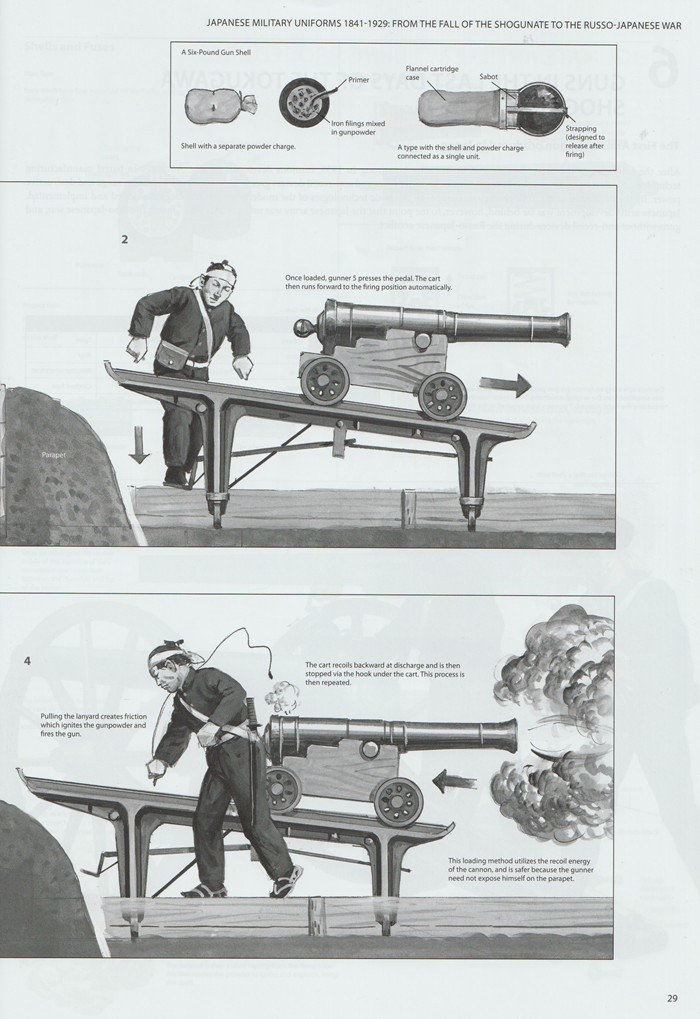
Operation of a garrison gun
Guns in the last days of the Tokugawa Shogunate
Shogunate artillery firing procedures
Small arms in the last days of the Tokugawa Shogunate
Classification and usage of pistols
From the Imperial Guards to the Imperial Army
Army uniforms introduced in 1871
The founding period of the Imperial Army
Rifles used in the last days of the Shogunate and early Meiji period
Infantry officers’ full dress uniforms
Infantry officers’ service dress uniforms
Infantry, NCOs & Privates
Cavalry (1)
Cavalry (2) [Imperial Guards]
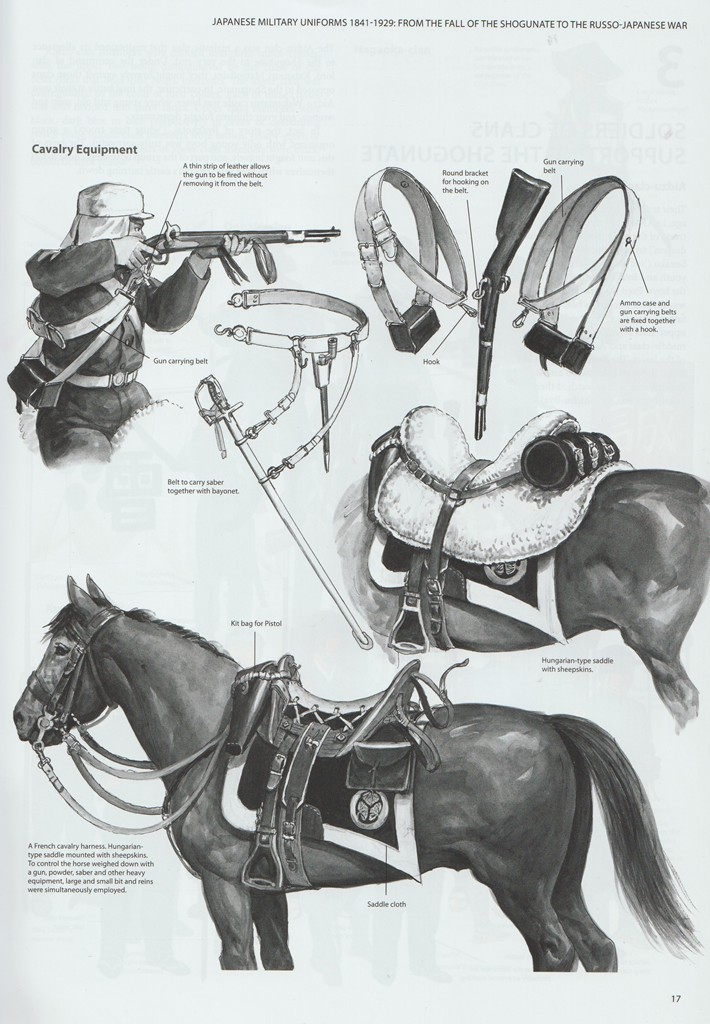
Arms of the cavalry
Military police, Army surgeons and Military bands
Navy officers’ full and service dress uniforms
Navy officers’ standard uniforms
Navy petty officer and seaman uniforms
Navy band and marine uniforms
Afterword
About the Author
THE TEXT AND CAPTIONS:
There is a minimal amount of text in the book with most of the information being provided by the captions accompanying the photographs and illustrations. Most of the text is provided at the beginning of some of the various chapters in the book. The text is brief and is in the form of one to two brief paragraphs. The paragraphs provide basic information regarding the subject of the chapter they are associated with and provide information such as the background history of the subject being discussed and shown. Not all of the chapters come with detailed text and the information provided in them is provided by the captions.
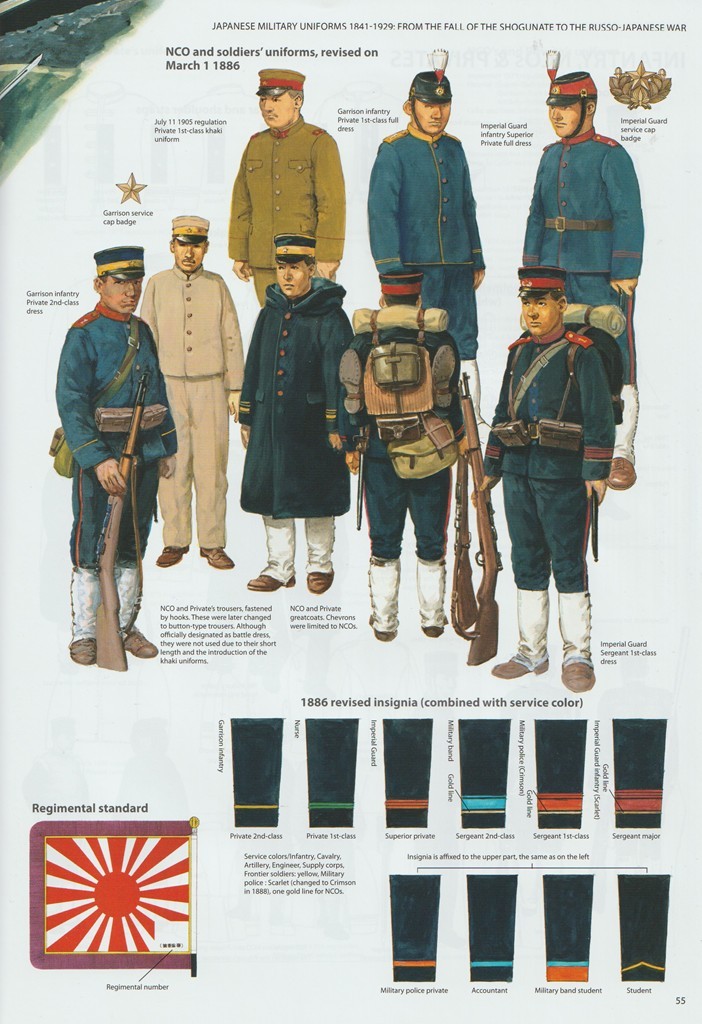
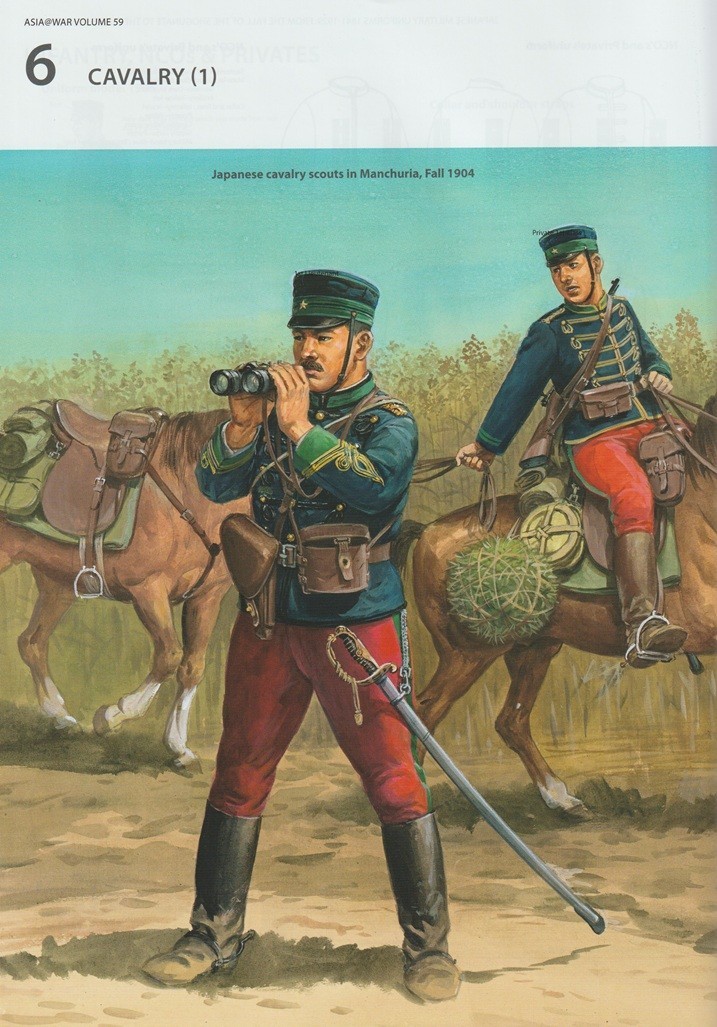
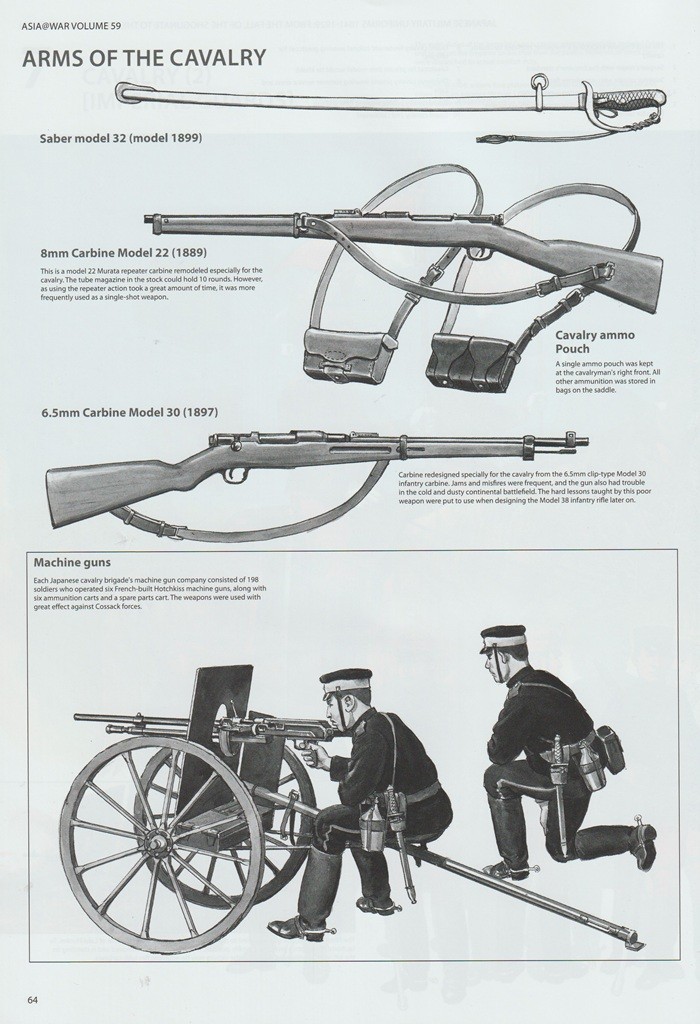
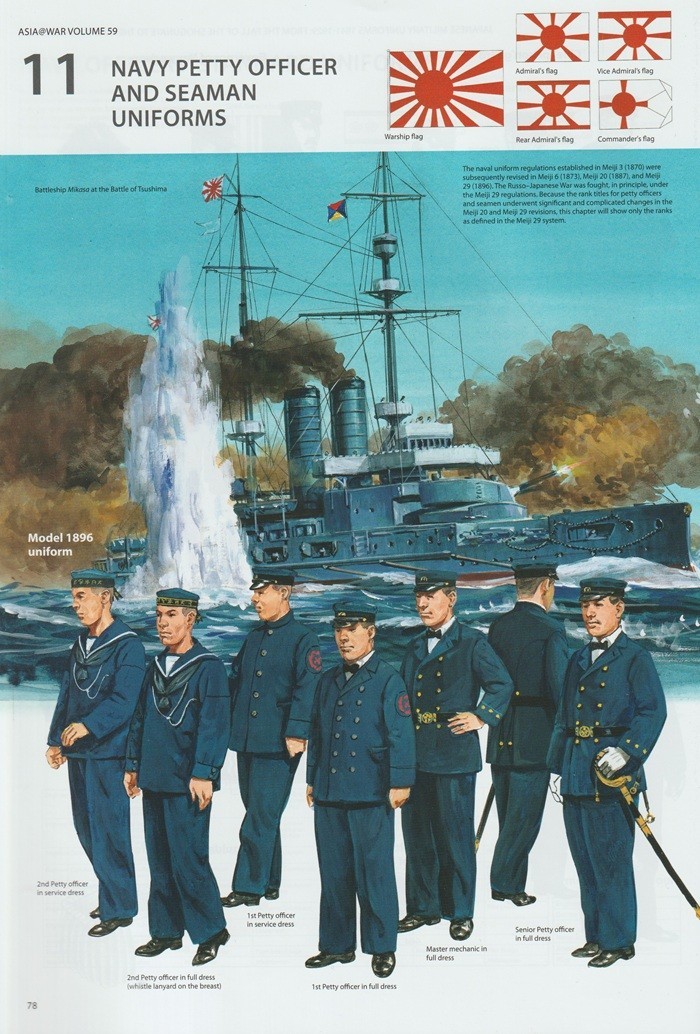
The captions that accompany the photographs and illustrations can be brief but they do provide the basic information necessary to identify the various individuals, their title or military rank, specific uniform types and the branch of service they were designed for as well as if they were for officers, enlisted personnel or students and the season of the year in which they were to be worn, specific items of interest on the uniforms and headgear, the various weapon and firearm types and firearm calibers, items of horse tack and other such information.
As I read through the text and the captions, I didn’t notice any spelling or grammatical errors.
THE PHOTOGRAPHS AND ILLUSTRATIONS:
There are only 3 black and white and 3 color photographs included in this volume. The remainder of the images are in the form of the numerous illustrations provided, both black and white and in full color. I didn’t count the illustrations, however the Helion & Company web site states that there are 400 color illustrations and 300 black and white illustrations. The illustrations are of numerous Japanese military uniforms, headgear and other related items as well as various weapon and firearm types and firearm calibers, items of horse tack. Some of the illustrations have specific items of interest pointed out such as if the items are for officers or enlisted men, measurements of things such as of epaulets and some of the black and white illustrations have specific colors identified for things such as uniform piping pointed out. Author Ritta Nakanishi has provided subject specific photographs and illustrations and did not include any images that stray from the main subject of the book. The majority, if not all, of the photographs and illustrations will prove to be of great interest to anyone interested in Japanese military uniforms, weapons, cavalry equipment and more during the years of 1841 through 1929 due to the details they contain.
THE AUTHOR AND ILLUSTRATOR:
Born in Ueda City, Nagano Prefecture in 1934, Ritta Nakanishi developed a passion for art early, influenced by his adoptive father and captivated by military illustrations. He studied at Musashino Art University, graduating in 1952. After working in textile and comic illustration, he joined Gakken’s editorial department in 1962, later focusing on military illustration. His serialized 'Japanese Military Uniforms' (1972, Hobby Japan) led to acclaimed works like Japanese Military Uniforms: Bakumatsu to the Russo-Japanese War (1997, revised 2006). His final major work, The History of Japanese Armour (Vol. 1), was published in 2008 before his passing at age 74.
CONCLUSION:
This is a very nice reference book that contains a well written informative text, many subject specific photographs and illustrations well detailed captions and more, all detailing Japanese military uniforms during the timeframe of 1841 through 1929. I would have no hesitation in recommending this book to others as it will be a welcome addition to one’s personal military reference library.
PRICE
UK £19.95/ US $29.95
Helion & Company | Military History Books
Military History Books & Modern Warfare | Casemate Publishers
This book, from Helion & Company, was provided to me by Casemate Publishers. Please mention that you saw the book reviewed here on the KitMaker Network when making your purchase. Thank you.