












Introduction
M36 U.S. Tank Destroyer, Item No:35390, is the 390th release of Tamiya's 1/35 Military Miniature Series. It has recently been released to the general public. Their web page shows an assembled model and characteristics with short descriptions, i.e., The one-piece counterweight is a slide-molded part for fuss-free assembly without sacrificing detail.
Have you built their original M36 B2 first released in 1968, or the 1973 follow-on? Follow along with this in-box review and see what the hype is all about in 2025.
Tamiya's website display model

Contents
Tamiya's box is larger and heftier than I expected it when I pulled it out of Squadron's shipping box in July. Inside are eight plastic bags for nine sprues, including the counterweight which is all by itself, and not shown as a "sprue" on Tamiya's M36 page. These sprues are:
A. Running gear, packs, 90mm rounds, shell base for 11 ready rounds, headlights and guards and other miscellaneous parts, two sets.
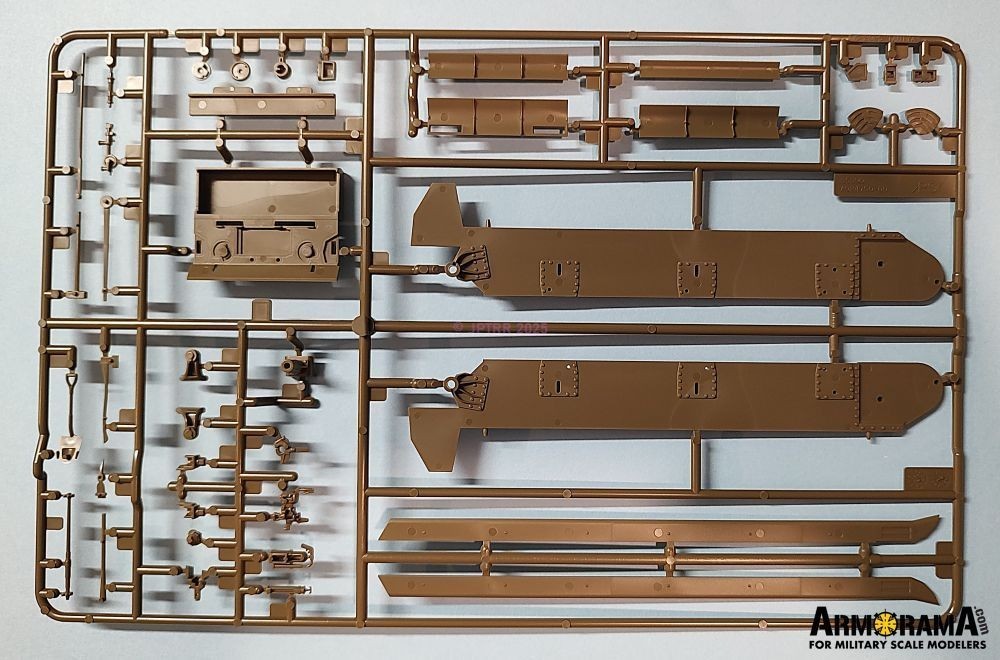
B. Lower and upper hull and fittings, and some hull interior parts.
C. Turret and interior including 90mm gun, turret basket, recoil guard, sight, weather canvas, fire extinguisher, and auxiliary equipment.
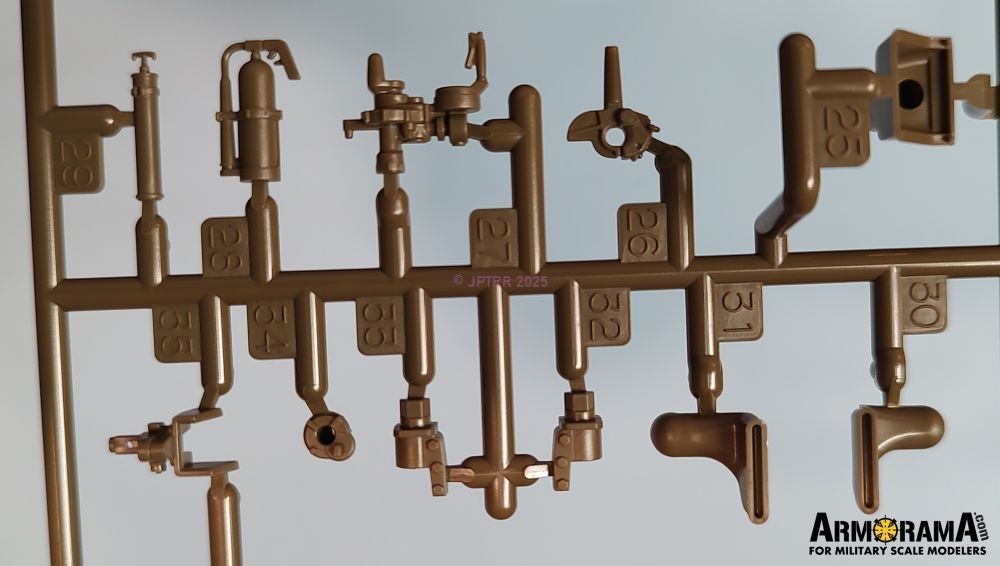
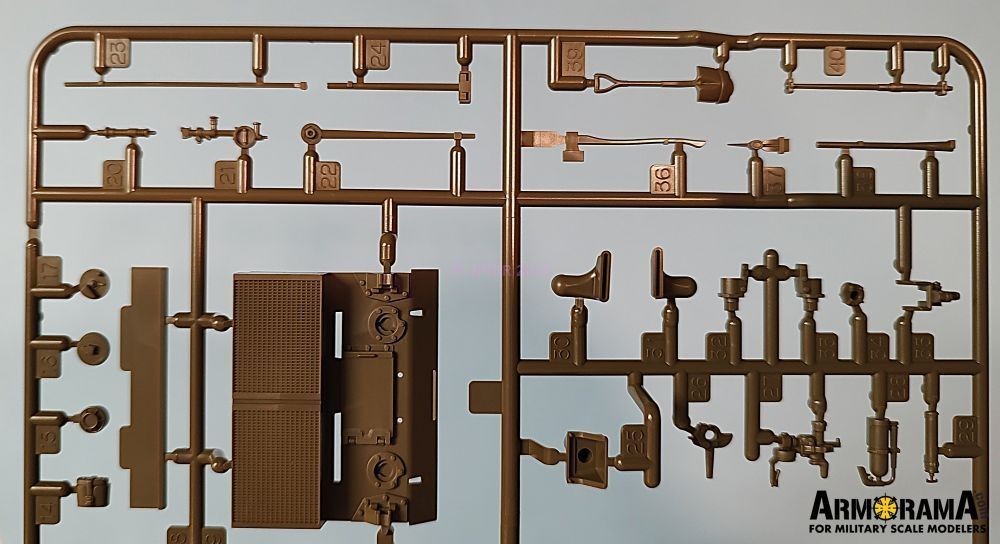
D. Additional lower hull and turret interior components, pioneer tools.
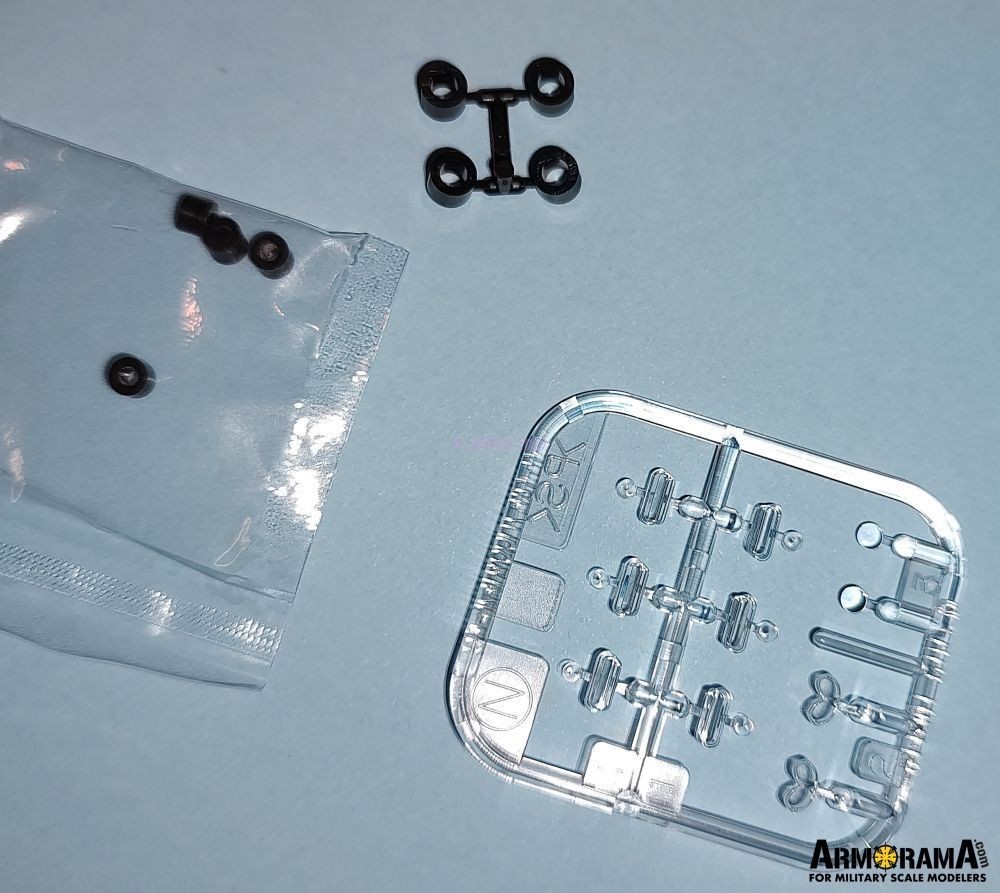
N. Clear parts.
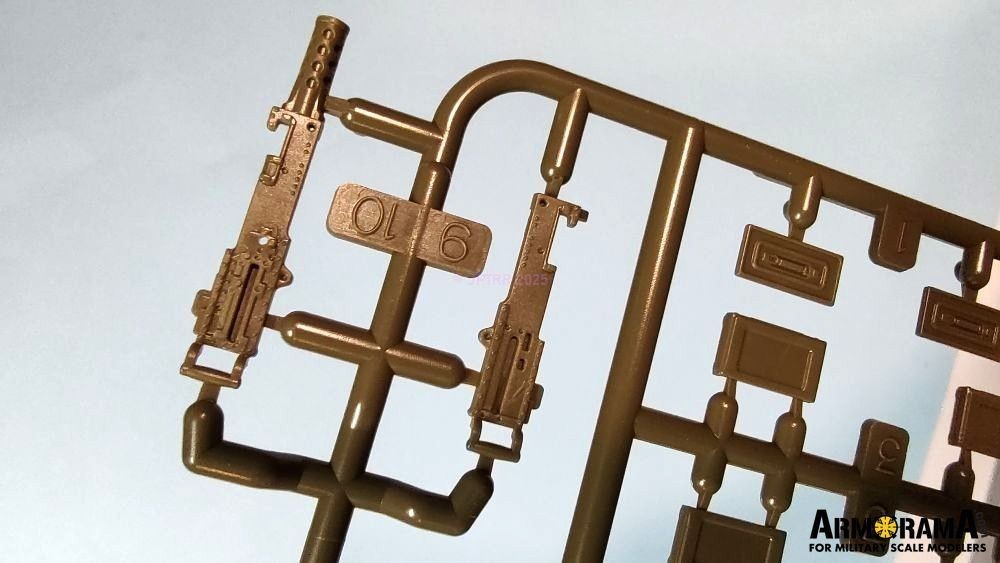
AA. Browning M2 .50-caliber machine-gun and ammunition boxes.
There are also some poly caps.
Tamiya has the reputation of not over-engineering their kits for "shake the box" assembly. My fellow modelers can debate if that is good or bad. All the same, many components are multi-piece assemblies, i.e., the .50-cal. body is a left and right assembly, with two types of barrels. I did not count the parts yet estimate about 200 pieces. I am surprised that the lower hull is a multi-piece assembly and not a one- or two-piece tub. Regardless, this kit looks to be a straightforward build and I expect a good looking M36.
Tamiya provides a painting guide and decals for two M36s. The decals look opaque, crisply printed, and well registered. However, two decals appear to schematics of some system but while they suggest a complex graphic, I cannot read them. Stenciling for the .50-cal. ammo boxes are legible.
Molding and Detail
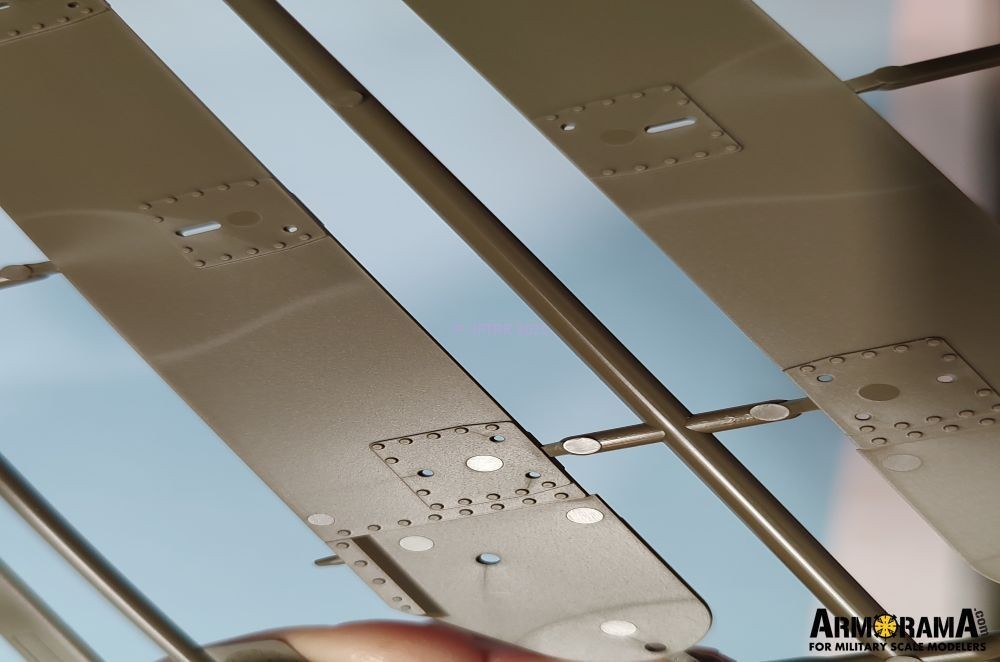
Crisp molding caught my eye immediately; no flash, seam lines nor sink marks are visible. This is what I expect from Tamiya. I am surprised by the plentiful ejection marks although they appear to be strategically positioned to be covered by other parts.
The gun barrel is molded as a single piece except for the muzzle which is a separate part.
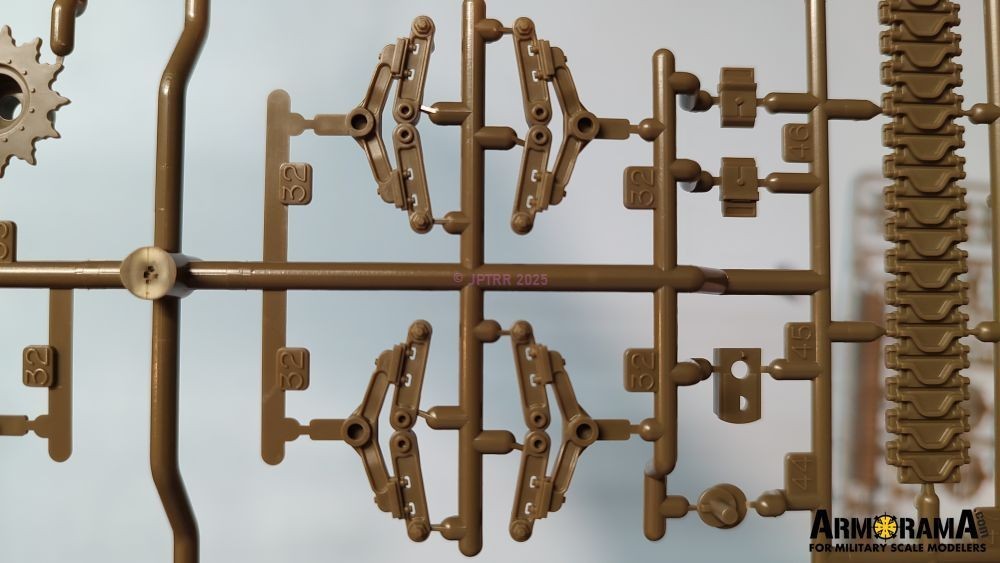
For the running gear the vertical volute spring suspension, two parts make up each component. The tracks are mainly segments of various lengths except for individual links which we must wind around the drive sprockets and idlers.
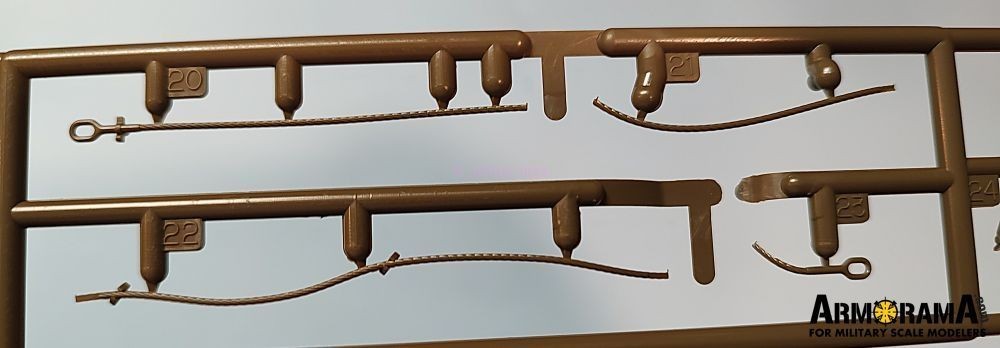
Remember how tow cables were flexible vinyl, or styrene that we were instructed to lightly heat in order to form along the hull, and those gave way to string and even wire? This kit's tow cable looks scale-thin and is molded in four pieces.
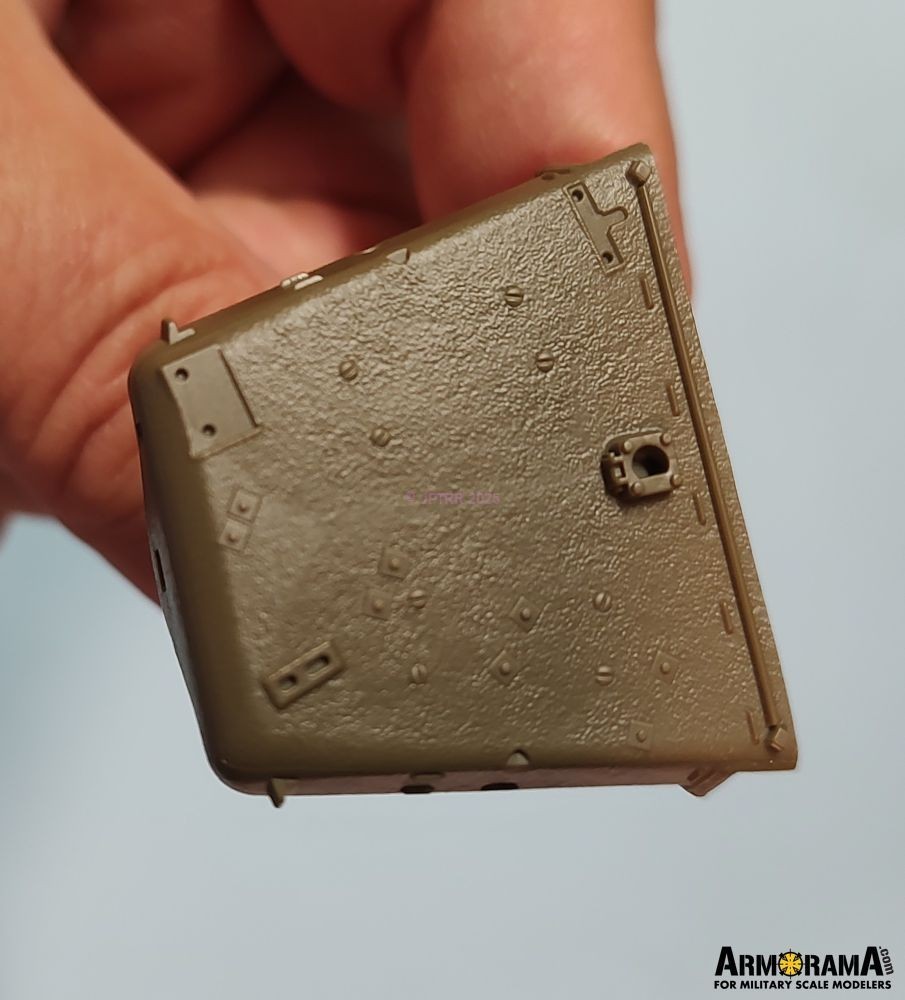
Surface texturing includes a rough casting finish on the counterweight, and almost imperceptible texture on other armor plate. Tamiya reproduced weld marks along armor seams and elsewhere. I also spotted several casting numbers around the hull. (Fun fact, when I searched for what those are called, AI referenced Armorama as a source.)
Tamiya did not include any photo-etch although some parts such as the brush guards for lights are fairly thin. The driver and assistant hatches are separate but there is no interior; no doubt plenty of aftermarket sets will be released. One thing Tamiya thoughtfully engineered into this kit is the inside of the engine access doors are molded for easy cutting for removal/opening.
For further description, please scrutinize the photos as each one is worth a thousand words.
What's in the box?

Sprues A - front and back
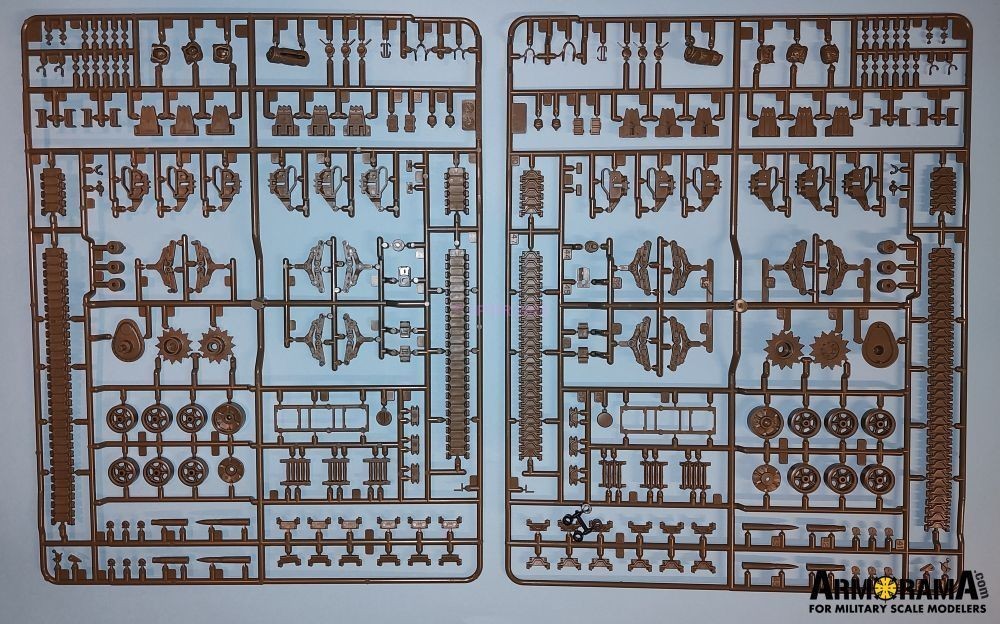
AFV parts and crew kit
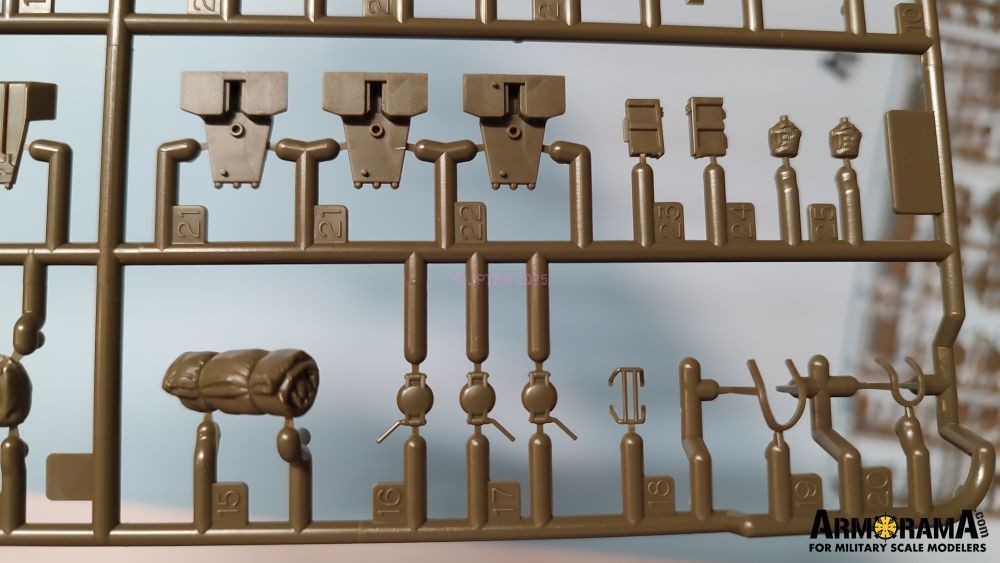
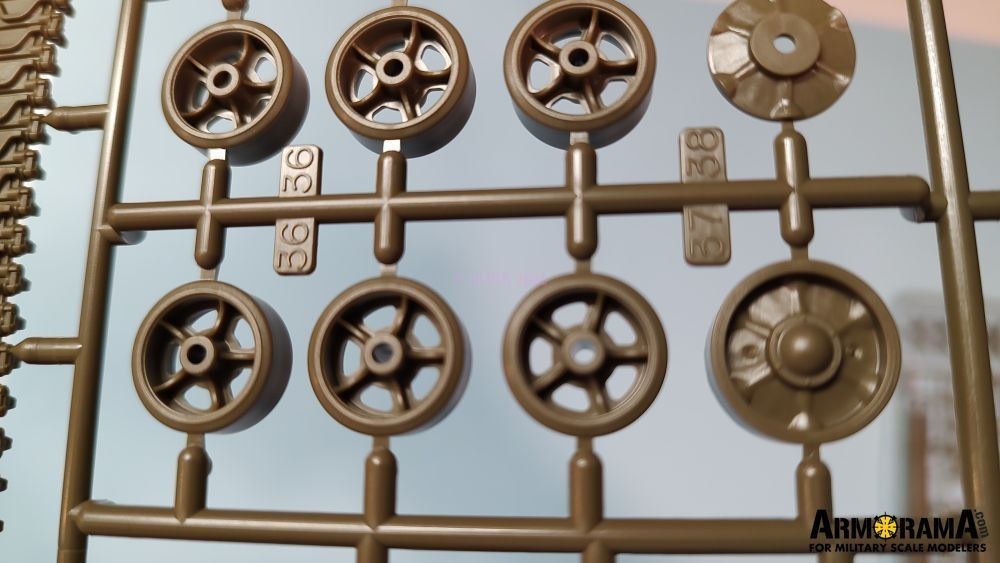
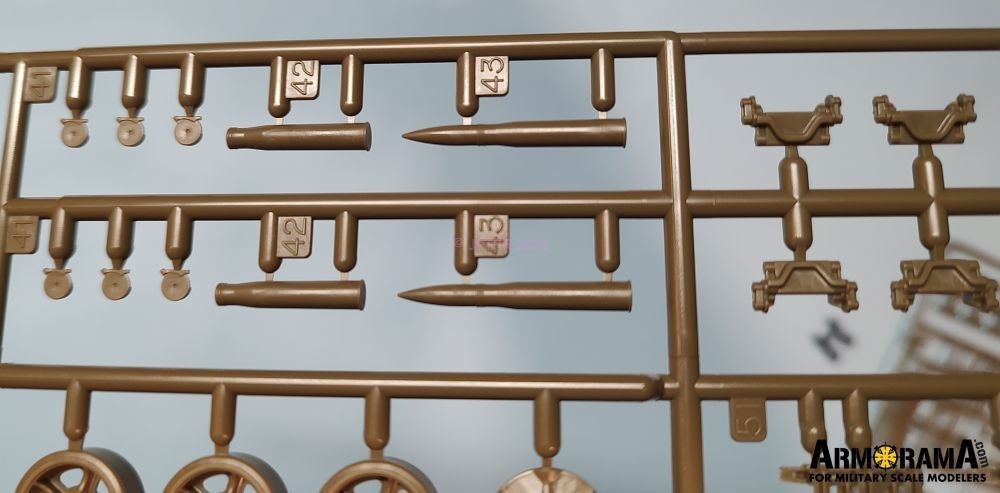
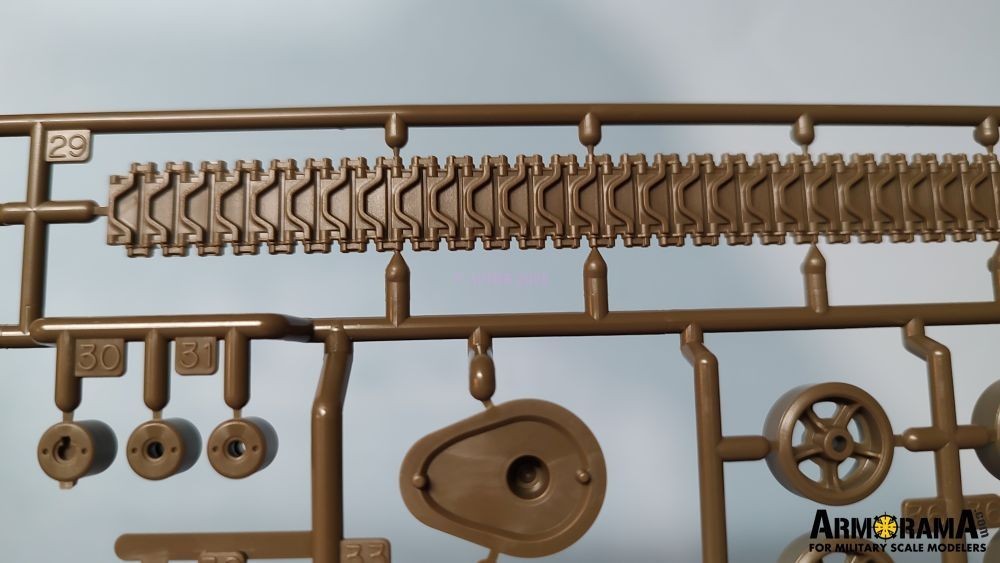
"Ma Deuce", the .50-cal. Sprue AA
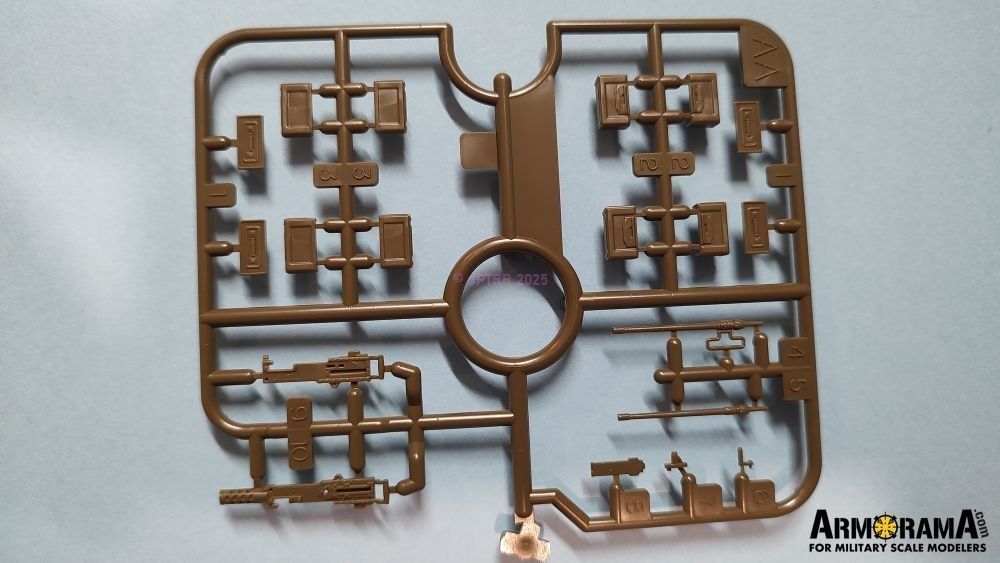
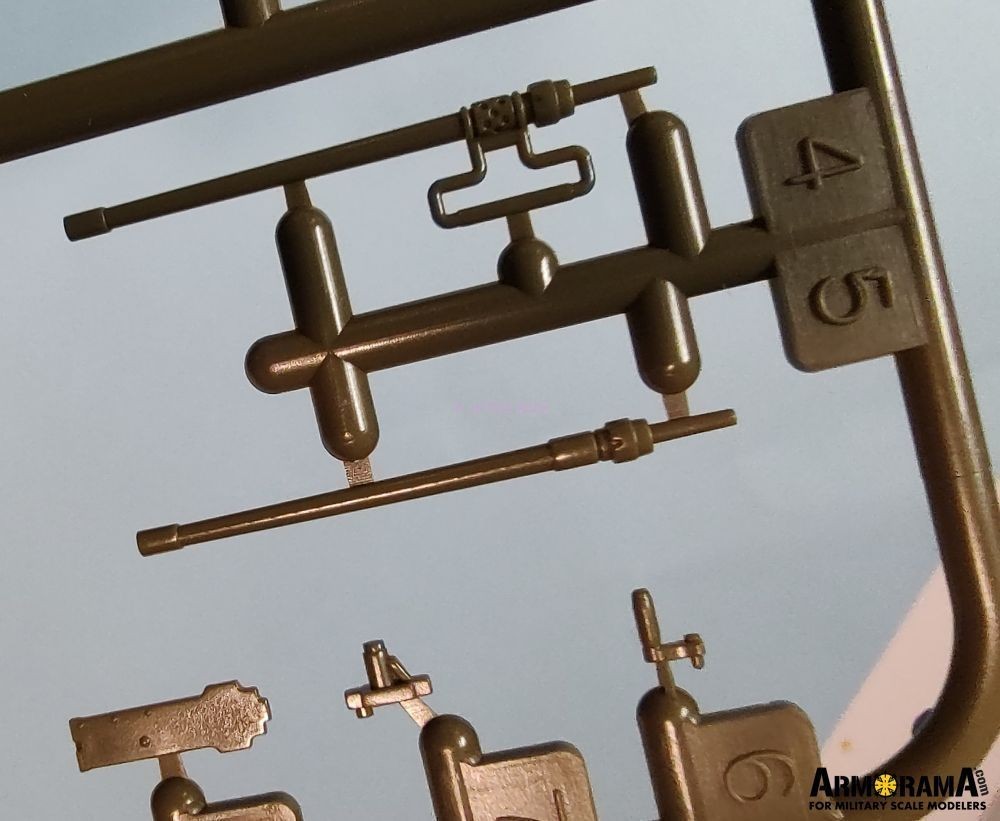
Sprue B

Hull floor (deck/tread?)


Note casting marks
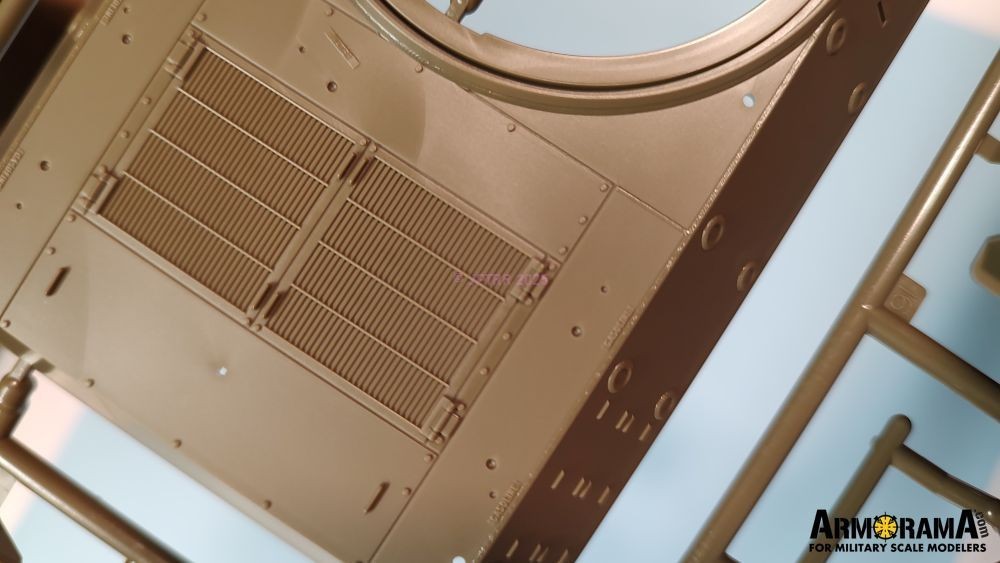
You can see weld lines along some components, even the turret ring

Tow cable - interesting idea but will they be fragile and difficult to smoothly join the parts?
Recall what was noted about helping modelers who want to open the engine doors?
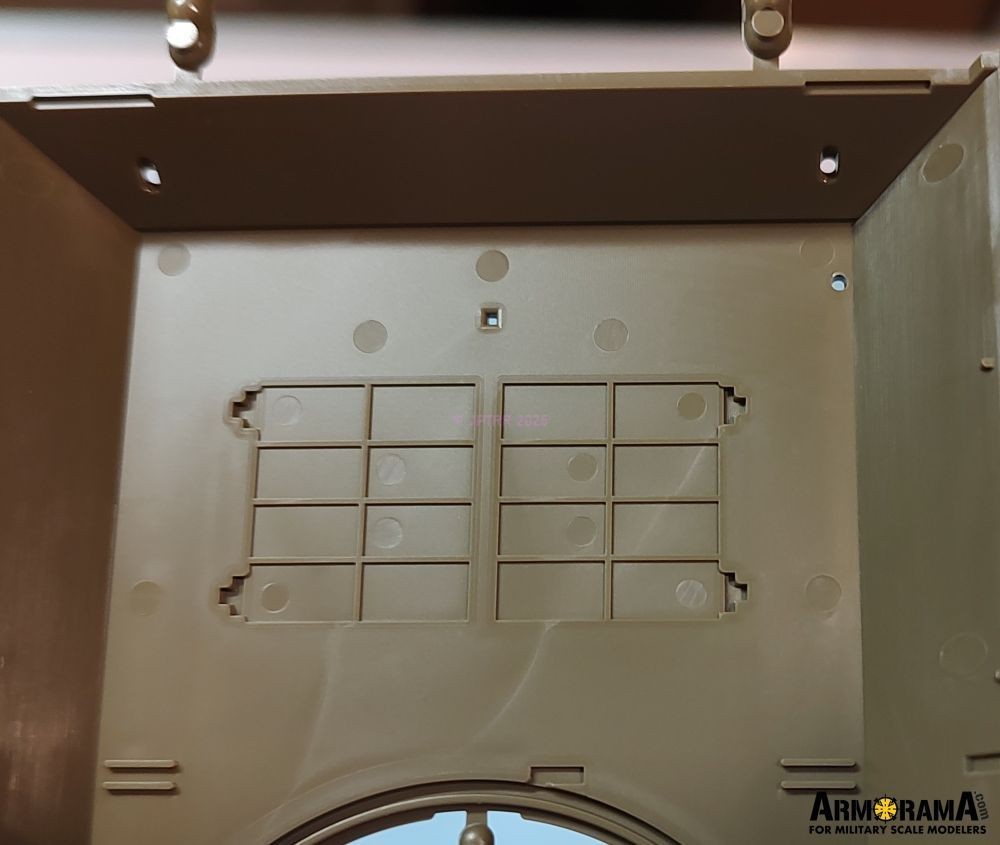
Hull hatch interiors but with obvious ejector marks
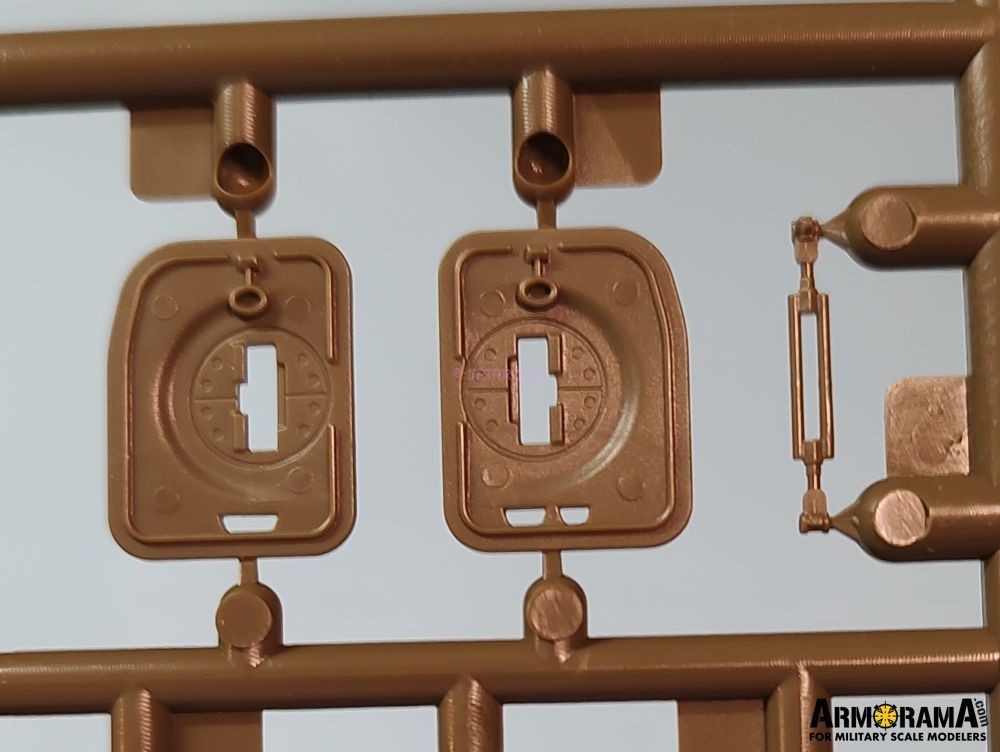
Sprue C

Tanker
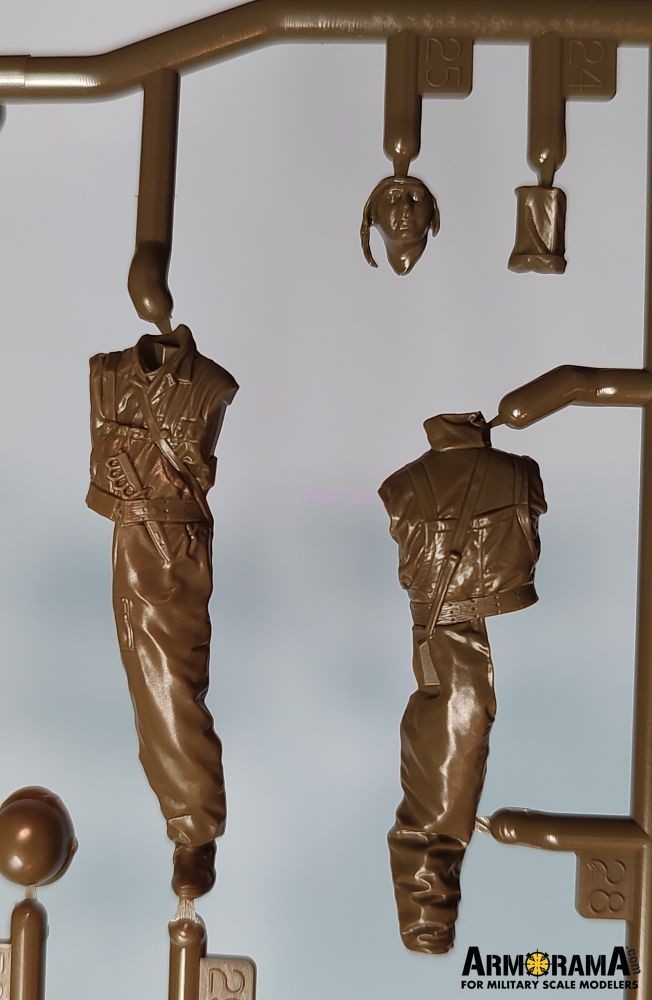
Note the fighting knife in his belt - don't try to touch your toes!
Hollow figure molding
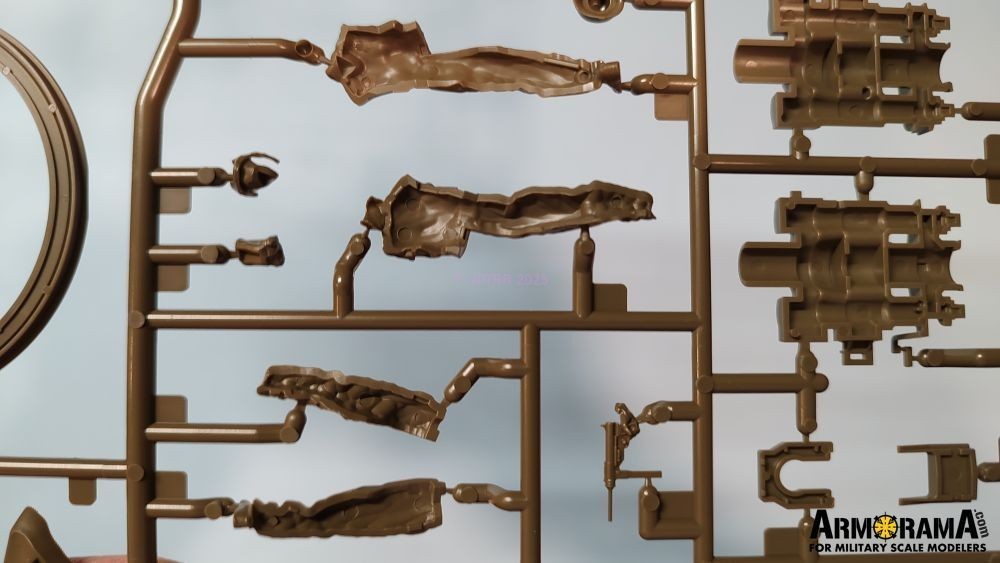
90mm breech and recoil top and bottom

Thin plastic parts
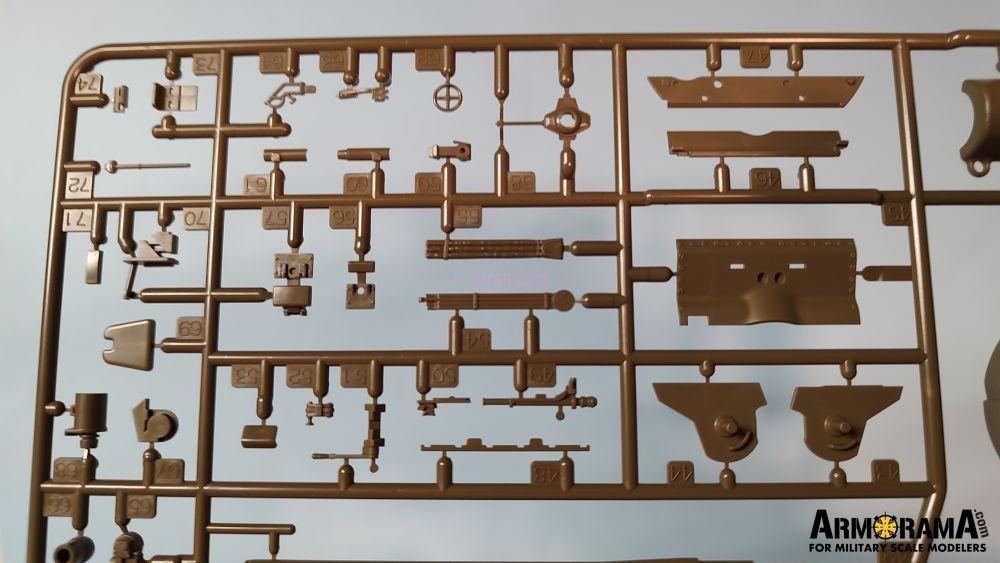
Sprue D
Note the location of the ejector circles - they should be hidden by the VVHS.
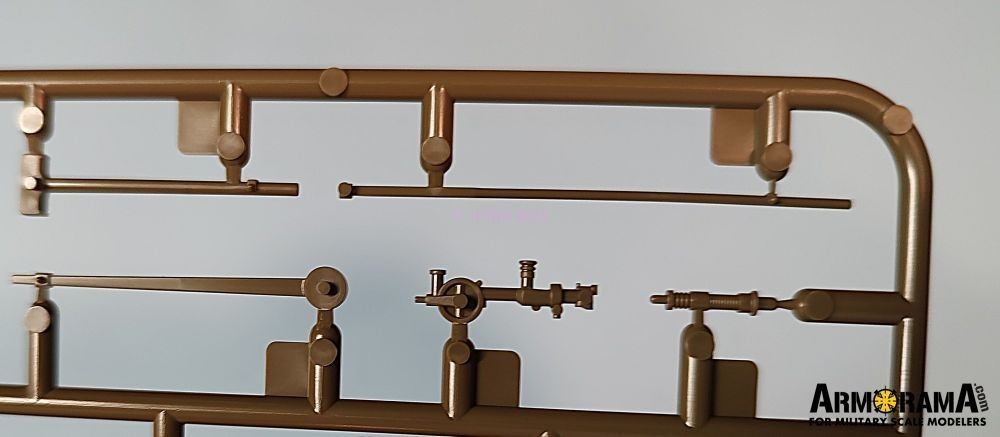
Things in the turret and on the rear hull

Turret basket


Counterweight
Sprues N, and polys!
Needless to say, decals

Instructions and more
Forty-eight steps guide you through assembly. Typical Tamiya - clear, well illustrated, and some painting guidance. It has been a while since I cracked open a new Tamiya kit and do not recall separate brochures for painting and markings.
Very appreciated.
Typical Tamiya instructions


Separate paint and marking guide

Separatetool technical tips sheet

Conclusion
What do you think? Worth the wait? Personally I am very satisfied with this new Tamiya kit. It offers what I expect from Tamiya - clean, crisp molding, good detail and parts count without requiring an engineering degree to assemble. Clear instructions. Maybe a couple of weeks of casual building or maybe a dedicated weekend to complete this M36. Plenty of in-box detail and plenty of room for super-detailing if desired. My only dings are the ejector marks (although they are probably placed in such a way that they will not been visible after assembly), and the multi-piece tow cable. Great idea, but functional?
Overall, I am thrilled with this kit and enthusiastic about starting to build it. Recommended.
Please remember to mention to Tamiya and retailers that you saw this review here - on Armorama.