












First impressions
So straight to my go to selling point and what a selling point it is to the artwork is superb both fire trucks parked next to a large house fire with a silhouetted fire fighter in the background approaching the building both fire trucks have their blue lights on the AC-40-137A closer to the building than the hose layer AR-2(43105) Hose fire truck also known as a hose layer slightly back, alongside of the 137A. It really is a selling point without doubt.
Upon opening the box, there is a need to look around to see some free space or possibly to take a picture to make sure you can get it all back in the box! ICM have really upped its game over the last few years when it comes to their model kits and subjects. This is another box full of sprues to keep modellers like me drooling at what is coming next.
Introduction
There is nothing closer to my heart other than model kits, than Fire Fighting and Paramedics. Any job in the emergency services is a vocation and not just a job. It has every imaginable scenario you could be dealing with. In my time, I never had to deal with a full-scale wartime scenario, as well as the normal day-to-day issues of an RTC, someone trapped in a playground under a roundabout or a cat up a tree. It is hard enough going to a house fire and wondering what you are going to see and find... But in wartime, with a block of flats that has just been hit by a drone or bomb, the scene of rubble, smoke, bodies, acrid smells, people who managed to get out and dazed just walking around as if lost! flattened rubble, screams and cries for help, trying to rescue people and put out the fires, add to that old people who have already fought for their country to stop these wars previously, dead, children who survived, but lost their parents, add to this, scenario Ballistic missiles, drones, and glide bombs overhead. That takes a special kind of person, my mum said to me before she died, that she knew I was not wired up right, “blooming cheek”, but this is what the emergency services of Ukraine are dealing with nearly every night in their own country! Sadder than that, they still have to be mindful of the fact that they could get targeted, too. I have seen way too many photographs of fire engines that have been hit while they are trying to rescue people, and fire fighters' ambulance crews and paramedics having to wear body armour.
History.
The history of firefighting in Ukraine spans from 19th-century volunteer-based "Sokil" societies and 19th-century fire stations with watchtowers to its modern structure under the State Emergency Service (SES) of Ukraine. Key milestones include the integration of firefighting into the civil defence system, a significant merger in 1996 to create the Ministry for Emergencies, and the continuous evolution of the service, which now operates largely under wartime conditions.
19th Century: Urban areas, built primarily with wooden structures, relied on volunteer-based fire societies like the “Sokil” (Falcon) and “Sich” to combat large-scale fires. Fire stations were equipped with watchtowers (Klancha) to detect fires and alert firefighters
A Sich in Ukraine was a military and administrative centre for the Zaporozhian Cossacks, essentially a fortified camp that served as a proto-state with its own government and military structure. The term refers to both the physical fortified settlements, like the Zaporozhian Sich and the broader political entities they represented from the 16th to 18th centuries.
Soviet Era: The fire service operated within the USSR’s All-Union civil defence network in the Chernobyl catastrophe led to the creation of a state committee to deal with its consequences.
Post-Soviet Era: In 1996, the state civil defence body and the committee consequences of the Chernobyl disaster merged to form the Ministry of Ukraine for Emergencies and Protection of the Population from the Consequences of the Chernobyl Disaster. 2003: The firefighting service was transferred from the Ministry of Internal Affairs to the new Ministry for Emergencies.
2005: A reform dissolved the militarised formations of the service, making the agency officially non-military and focused on rescue services.
Structure: The modern firefighting service is part of the State Emergency Service of Ukraine (SESU), which is responsible for civil defence and rescue operations.
Wartime challenges: Since the full-scale invasion by Russia, the nature of firefighting has fundamentally changed. Firefighters often arrive at the scenes of strikes to find "apocalyptic scenes" and have to deal with overwhelming situations, such as multiple simultaneous fires in apartment blocks.
Adaptations: The SESU now prioritises identifying and extinguishing fires resulting from shelling, dealing with the destruction of infrastructure, and rescuing civilians from the rubble.
Equipment and support: The war has highlighted the need for both updated equipment and personal protection, leading to the donation of equipment from international partners. Fire stations have become a critical part of civilian resilience, often serving as "Invincibility Points" for charging phones and providing shelter.
Review
So, starting with the fire truck that I know a lot more about from my
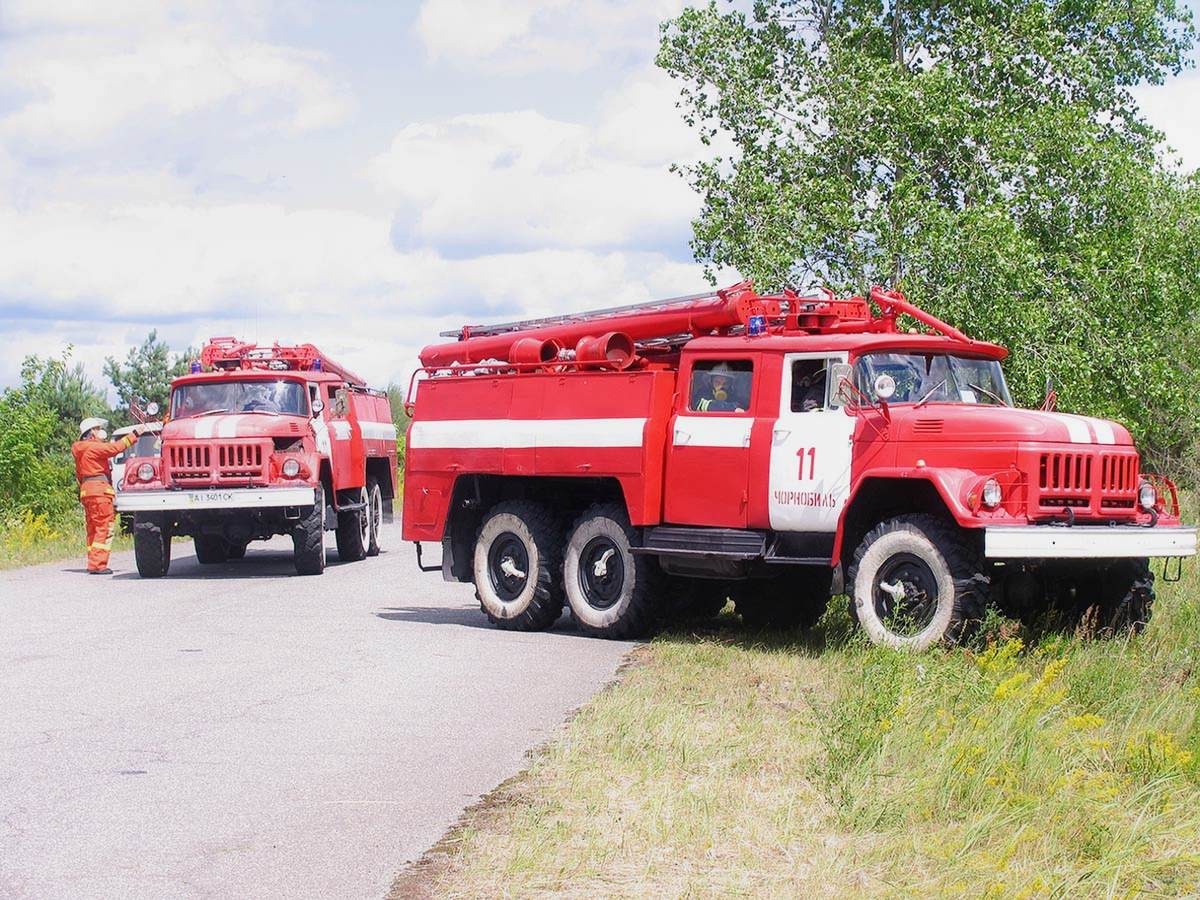
own research on the Chernobyl is the ZIL131, which was one of the most widespread all-wheel drive cargo vehicles in the USSR. Out of this truck came the AC-40-137A fire tanker manufactured by the Pryluky Fire Equipment Plant in 1984. This model improved upon the previous fire trucks with a 100-litre larger tank capacity and the addition of a monitor on the roof and controls in the cab. These vehicles continue to serve in fire departments across many countries, including Ukraine.
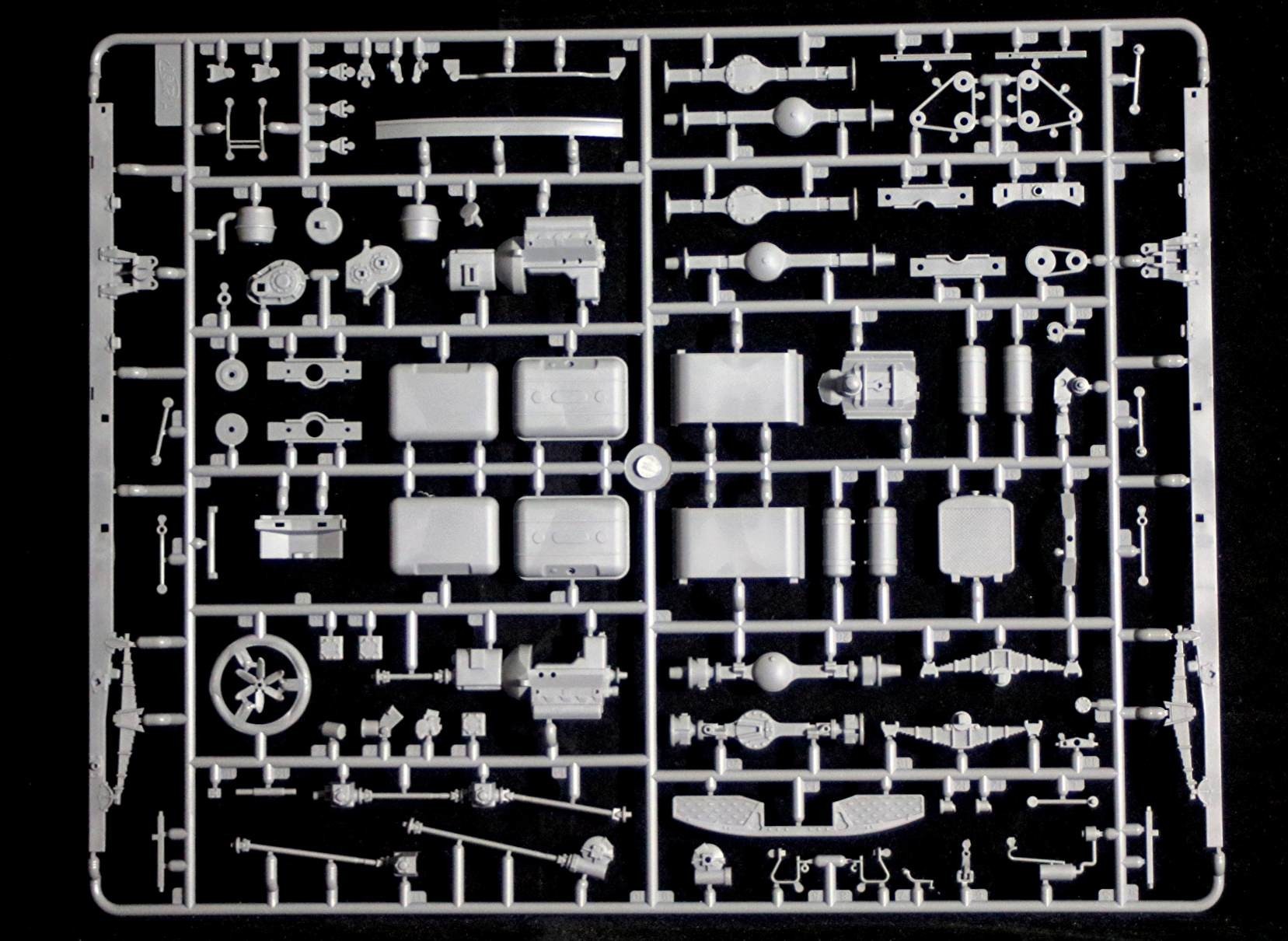
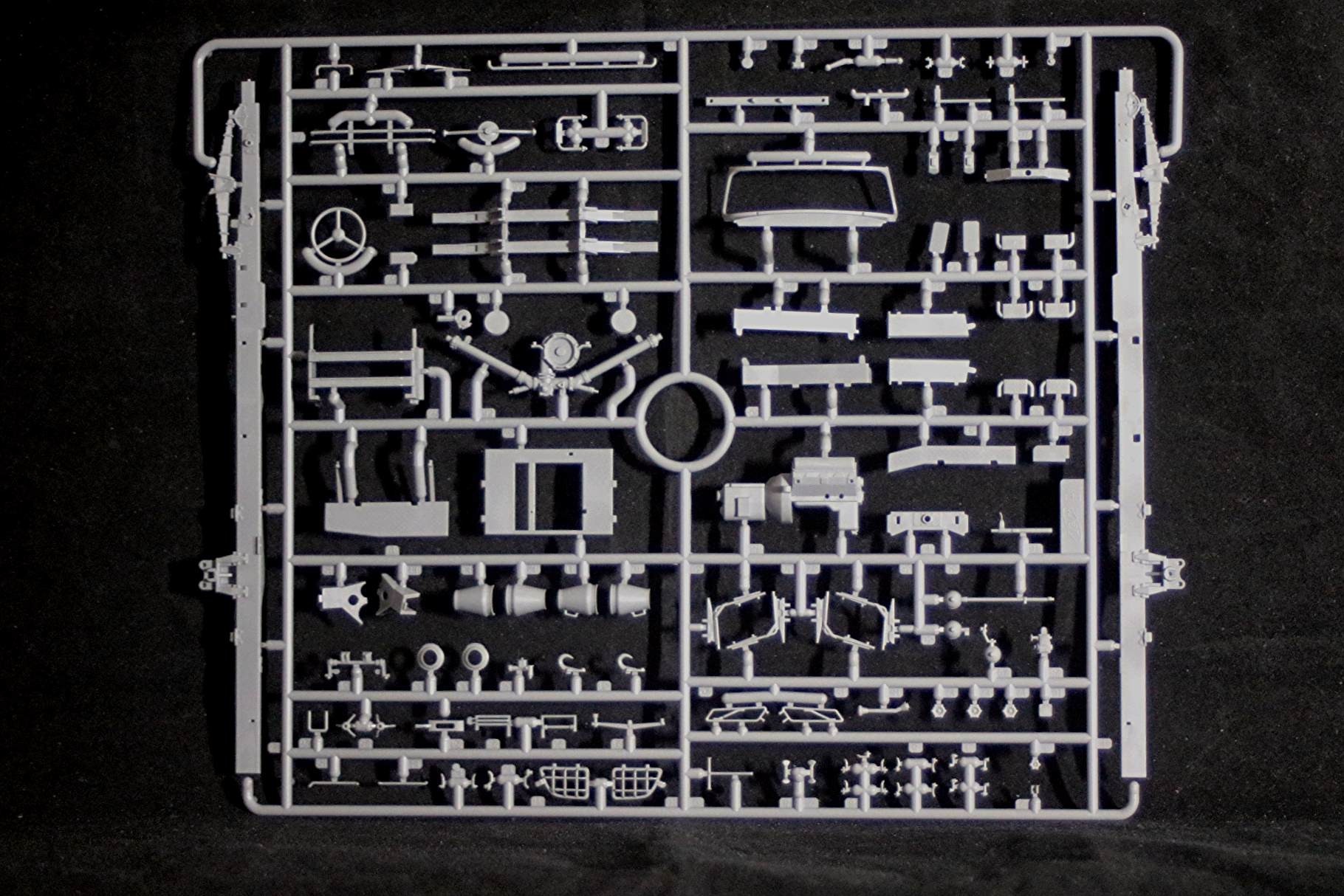
So, starting with 137A and sprue A it is clear to see that this whole sprue is mainly the engine parts, however, I believe that some of the parts on this sprue would be for other Zil 131trucks, like the chassis on Sprue B1 three axles the front axle according to Emanuels is spot on in look, some nice detail on the rear two axles good detail on leaf springs for the rear. The engine detail is excellent and what I have come to expect from ICM. There is a full engine that you will build in stages, and it will be a stunning look if you have the cab raised with a mechanic working on it.
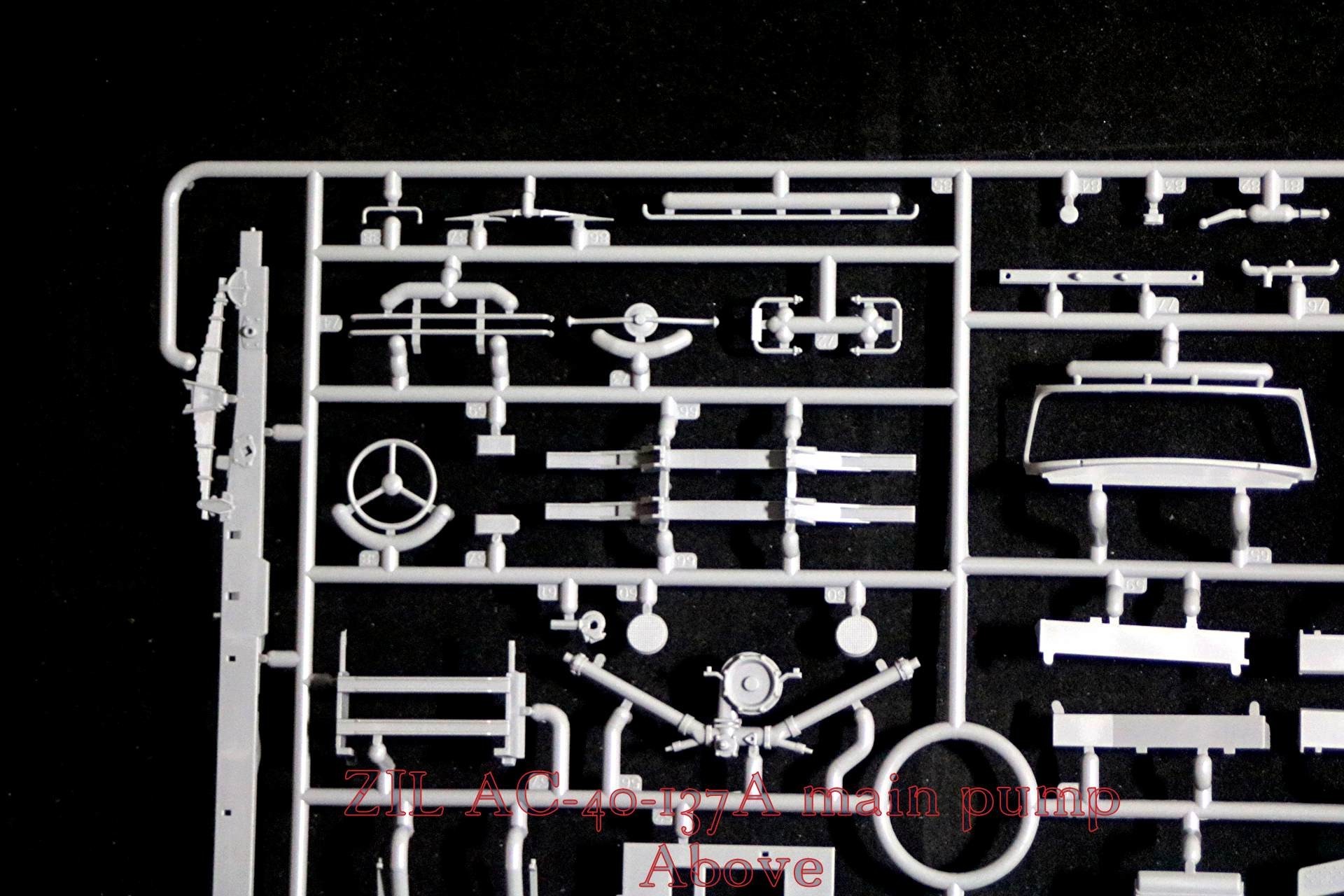
Sprue B, and some parts of note the sidestep with its non-slip, looking at the pattern of one of the Chernobyl fire engines, this kit has the identical non-slip. When I mention the Chernobyl fire truck, I do mean one of the engines prior to the disaster, not one of the ICM Chernobyl series kits, though I do have them. The pump is very good in detail and again identical to a number of fire trucks, not just the 131.
There are several very small pieces on sprue B that will end up broken if not cut off with care, and please, if it is one of your children, make sure you are supervising whilst the cutting of these parts goes on.
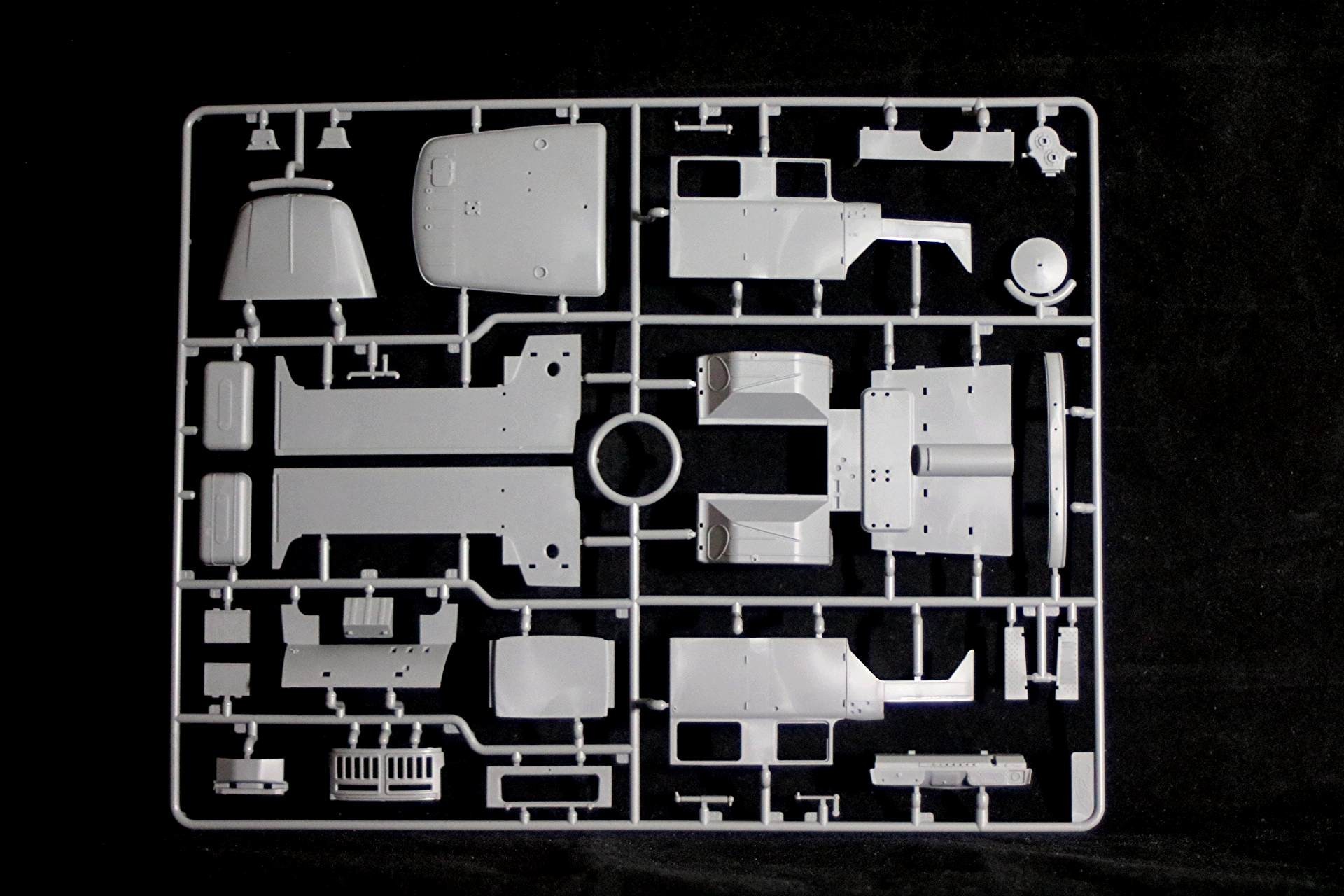
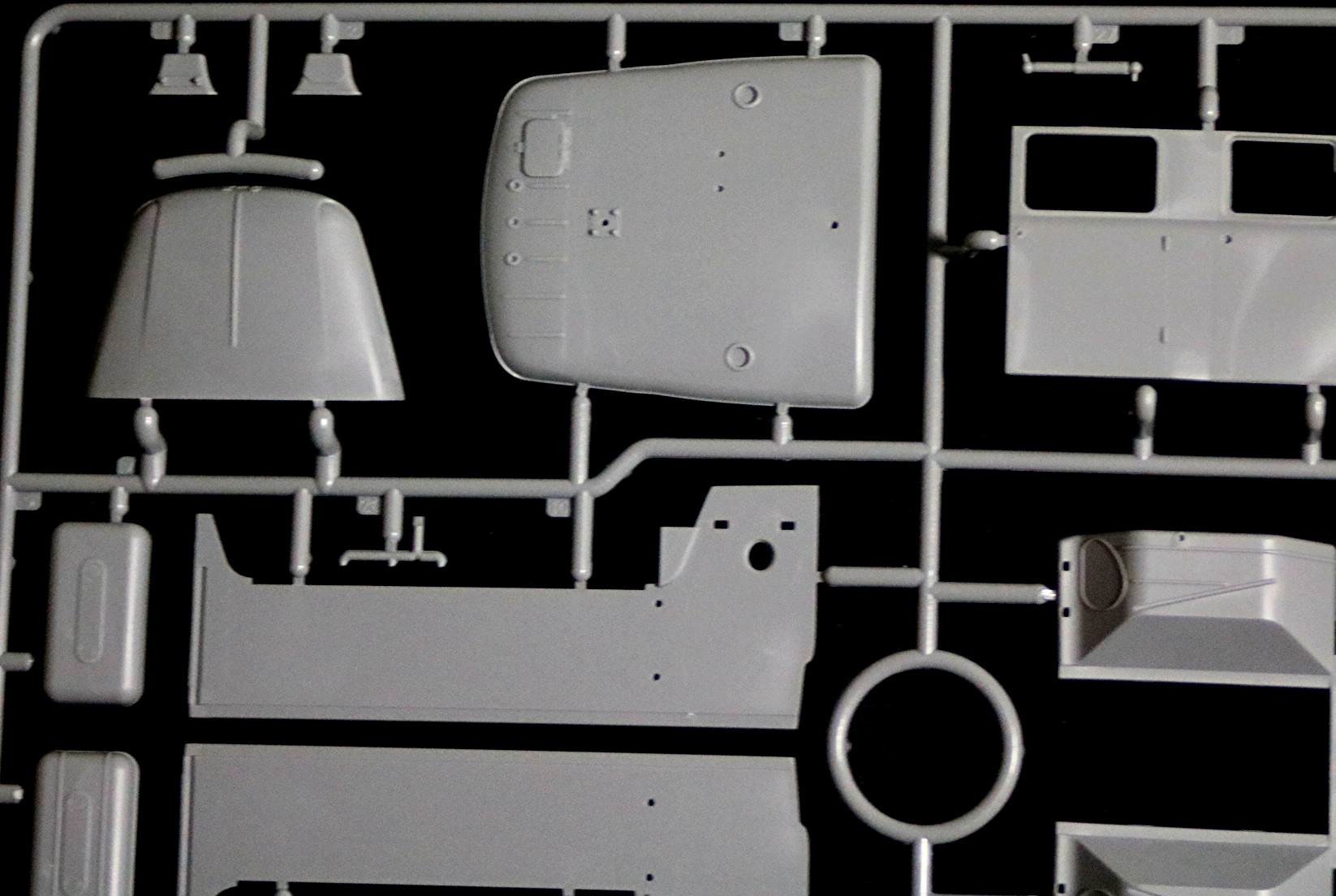
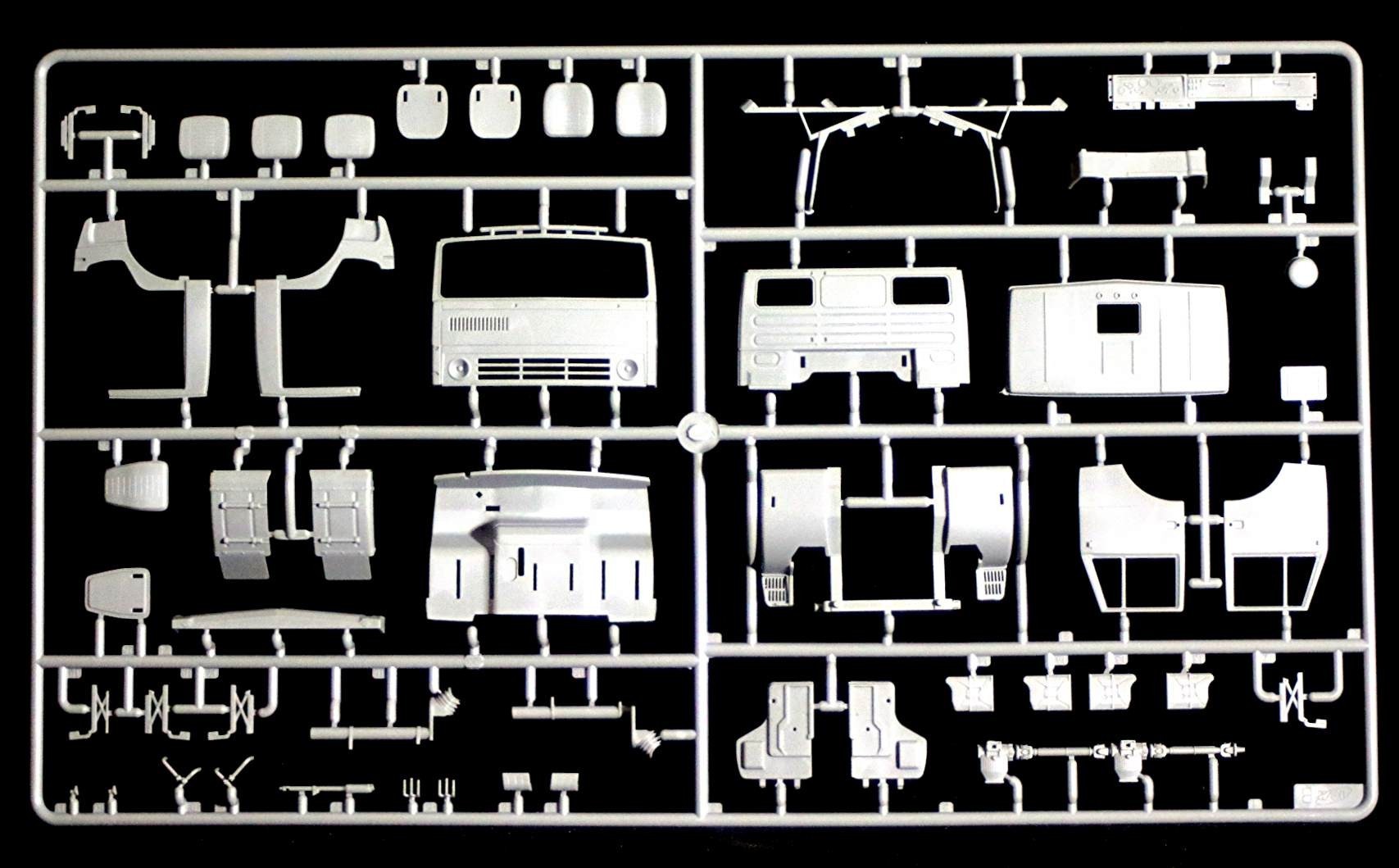
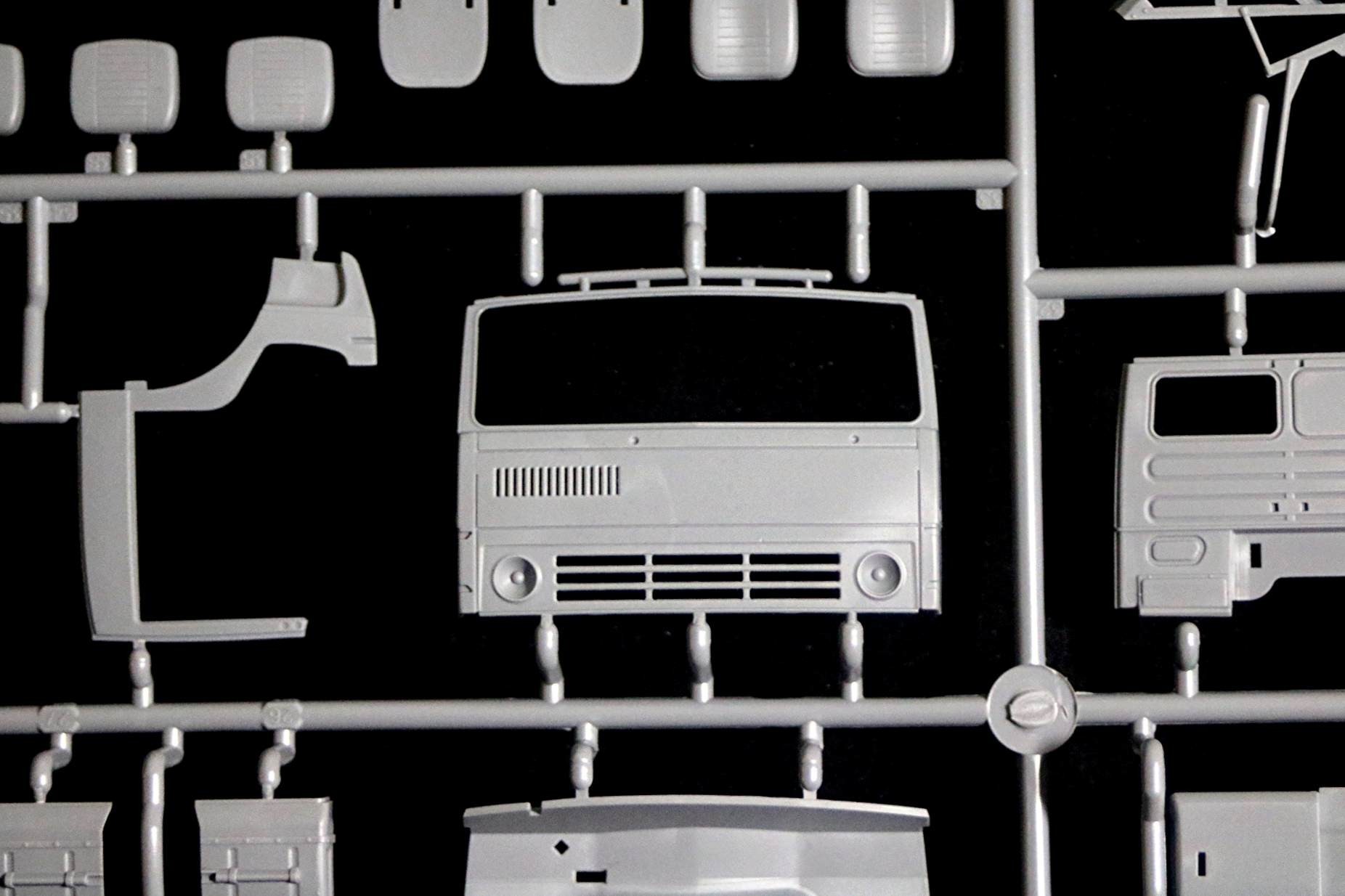
Moving on to sprue C, and here we have the main body parts of the cab and crew cab. The dashboard is pretty basic, but I think that was the way of things in Russia, no thrills or gimmicks, just the things you need to be able to drive. The cab roof has been changed slightly to accommodate the monitor with the controls in the cab. The details on all the parts of the body will help with the finish of the build. Some will require some weathering to varying degrees, and I will scratch-build some other parts for more realism
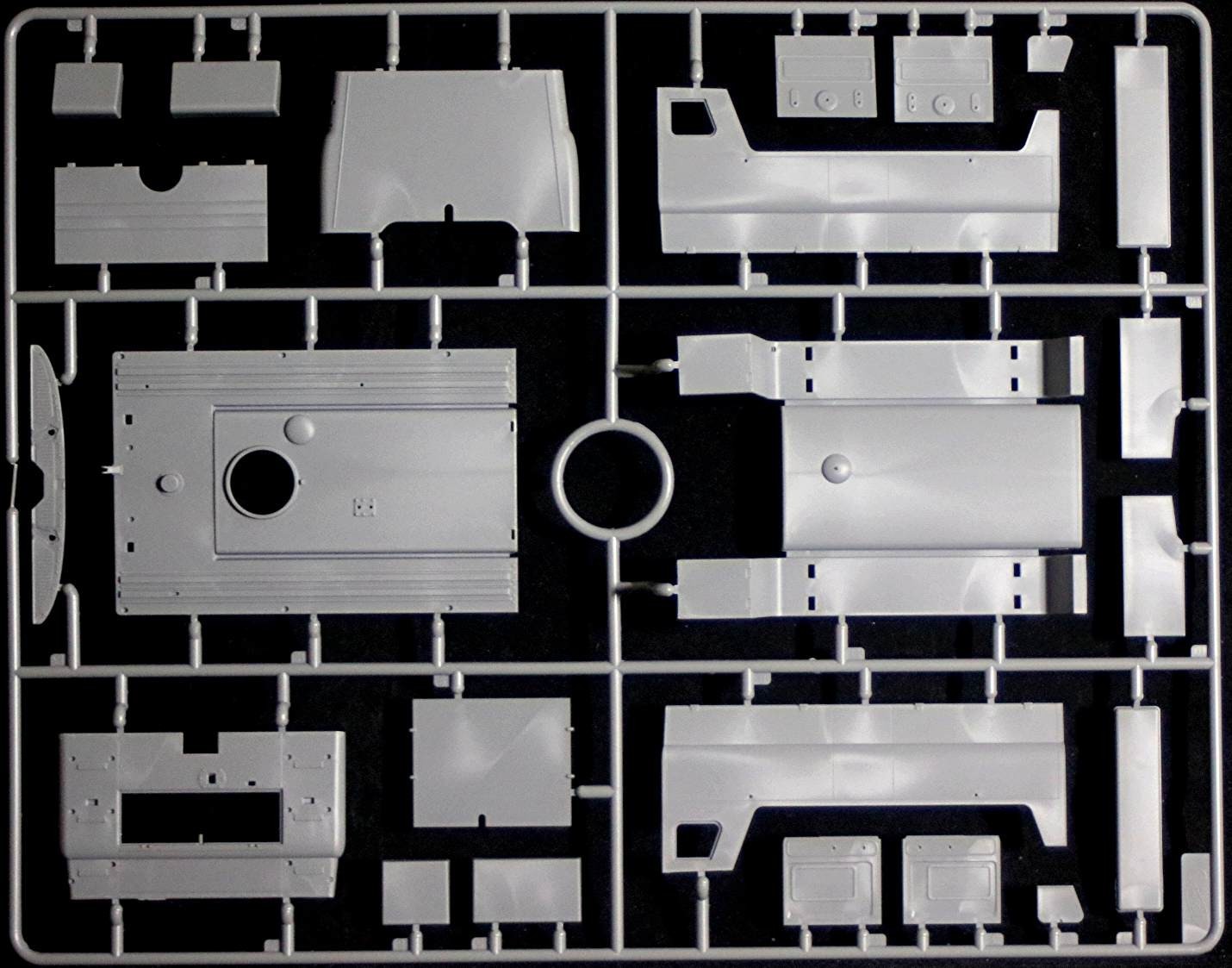
D sprue is the rear end of the body so tank for the water/foam the pump which I mentioned earlier is spot on for detail including two pieces of the kit which come from the B sprue that I had to double take as I could not for the life of me wonder just how they molded these the parts are two off, these are metal steps that fit to the underside of the back panel at each side or corner these are usually just a u shape piece of plastic, but, ICM decided that was not quite right and added a flat piece of plastic with a nonslip and you can feel it if you run the tip of your finger gently along for climbing up the back of the fire truck to retrieve the ladders or fire hooks or other firefighting equipment.
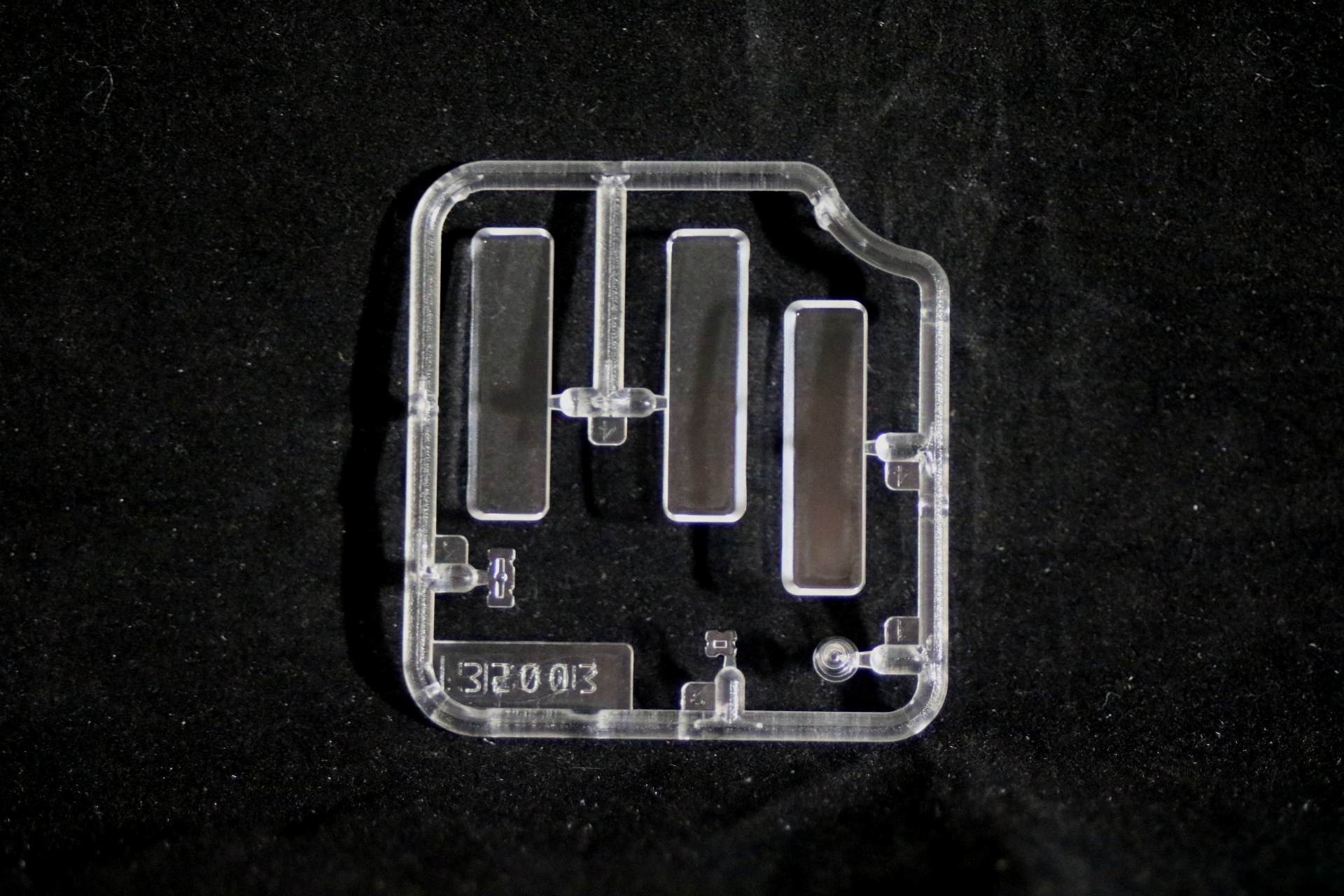
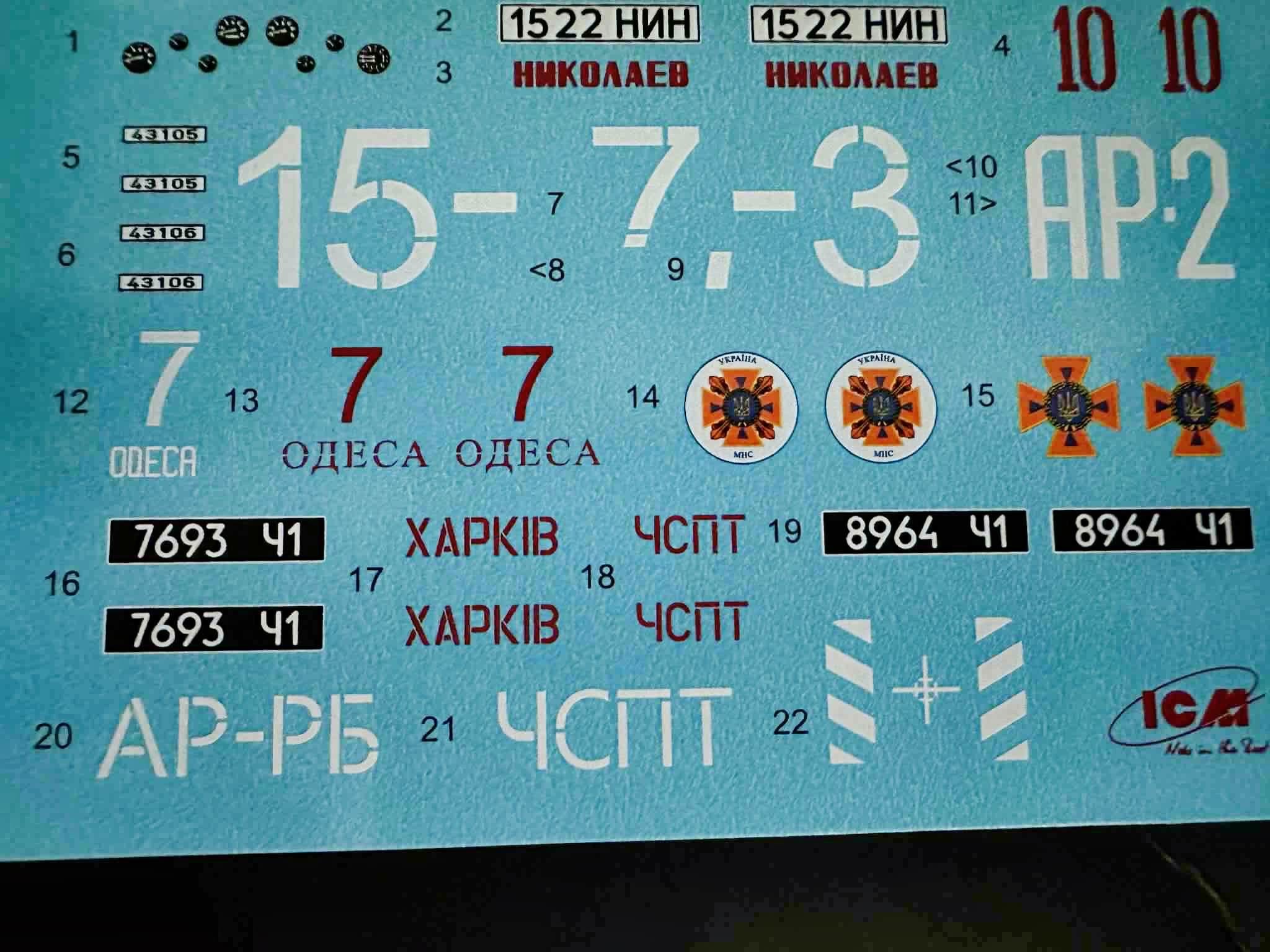
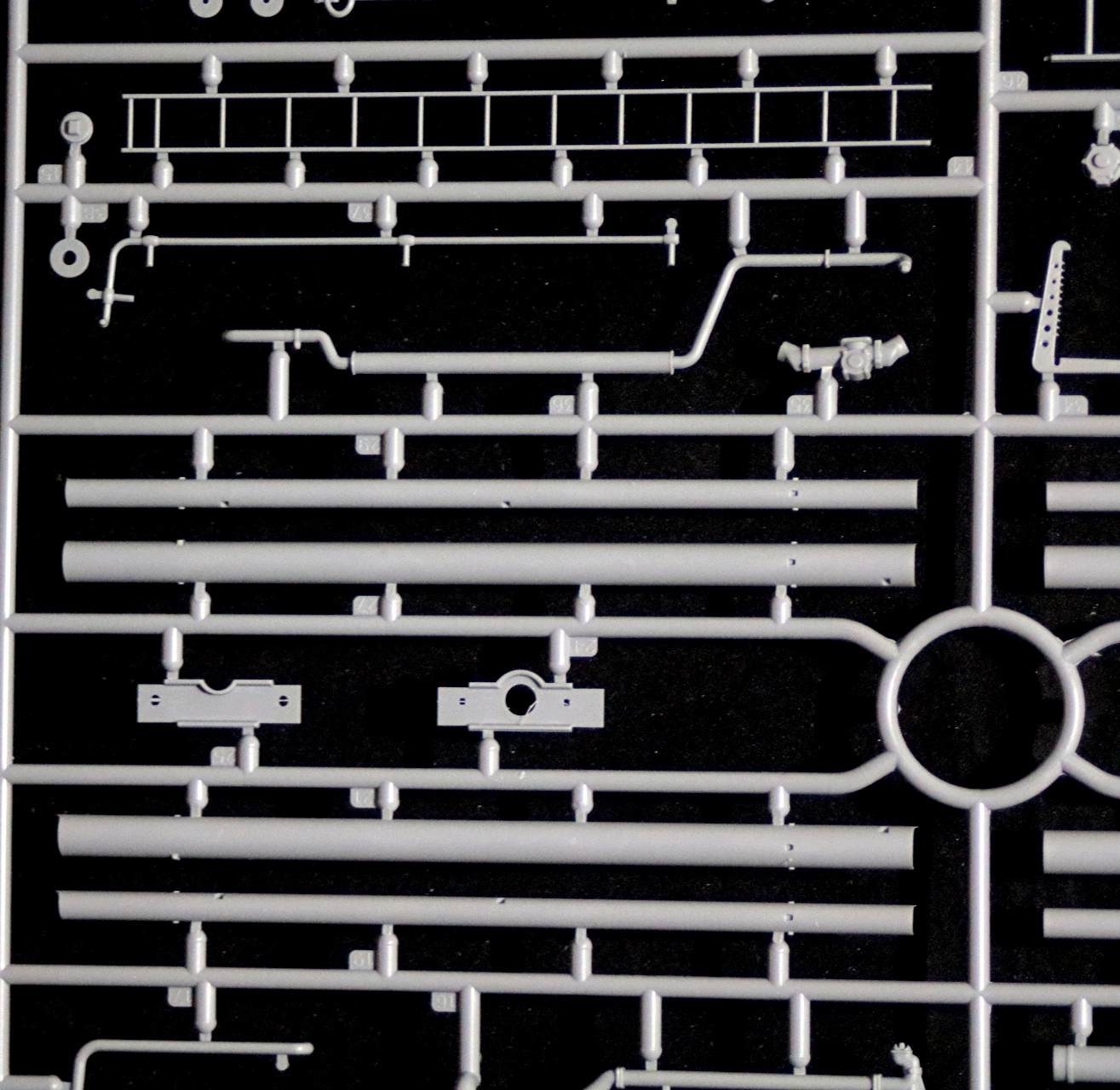
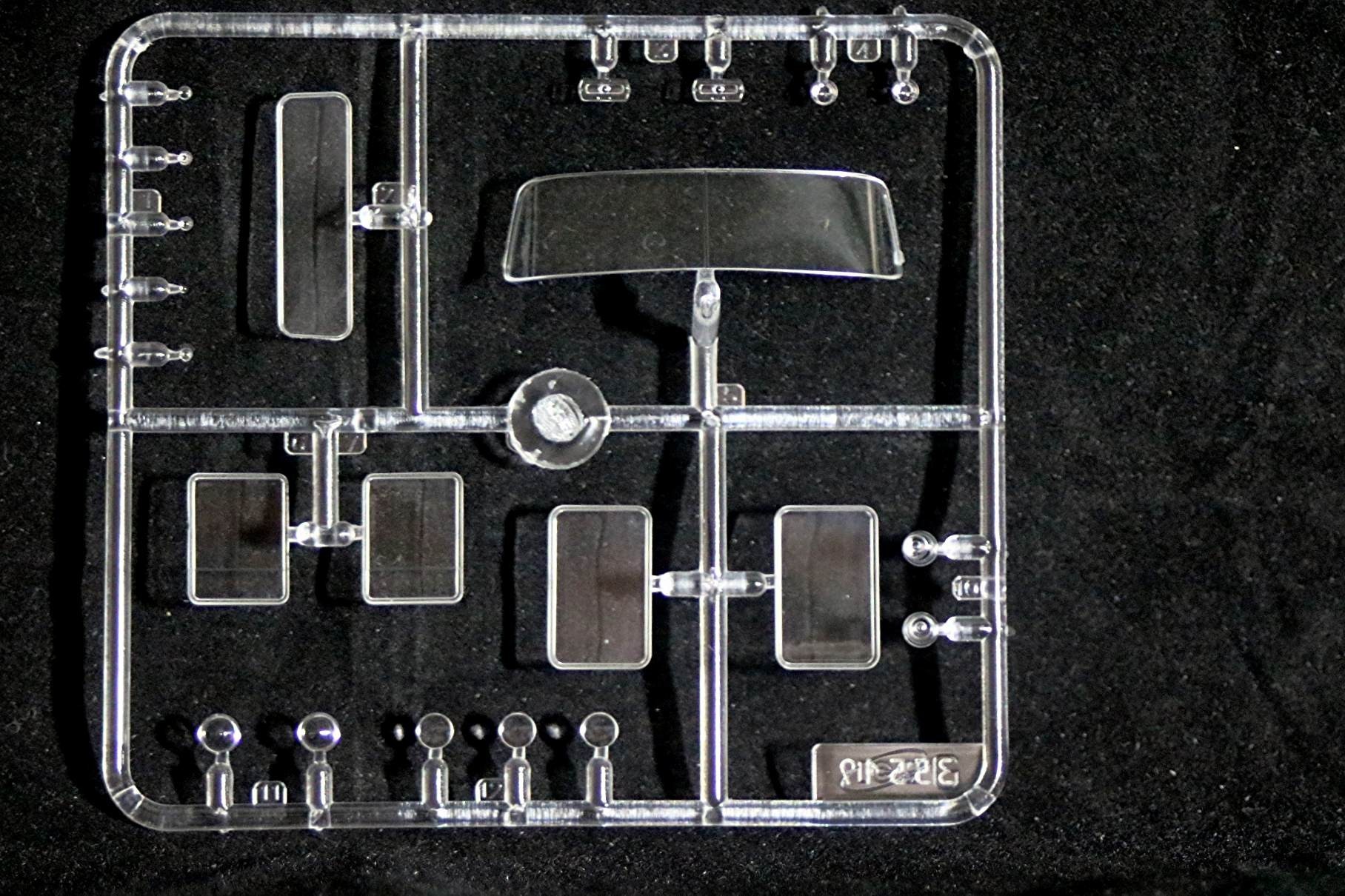
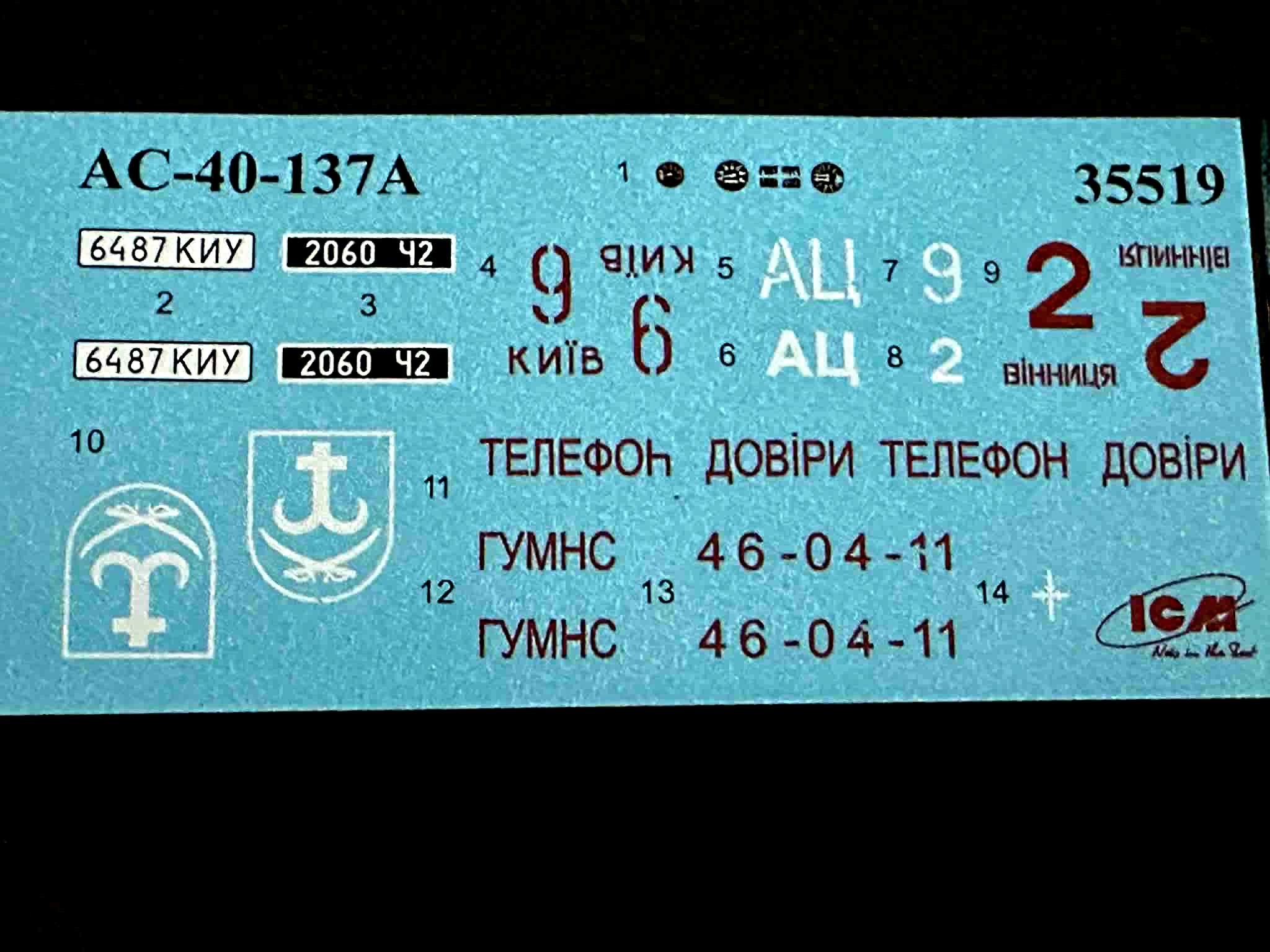
The decals are good and I do not see any issues with them nor do I see any issues with this build of the AC-40-137A the only not issue but problem is the very small parts of the kit on Sprue I. Finaly on the ZIL fire truck the glazing which considering the depth of the front screen and it is a very tight angle on the front of the cab especially the wrap round at each end and very little in the way of distortion. The second fire Truck, the Kamaz or AR-2 (43205) Hose fire truck or Hose layer, as they are known in the UK. The first version of this particular Kamaz truck was a Soviet six-wheel army truck with an open back. The first variant of this truck was released in 2016 with the kit number 35001. ICM surprised a lot of modellers with this new variant. I actually did a build review, and it is residing in the back of my Man Cave in my display cabinet. As I remember, I was totally amazed at the kit, especially the build that went together really well, and I will check out the review and give you a heads up.
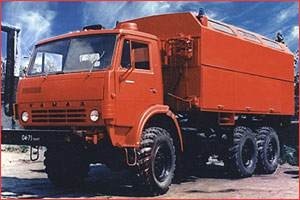
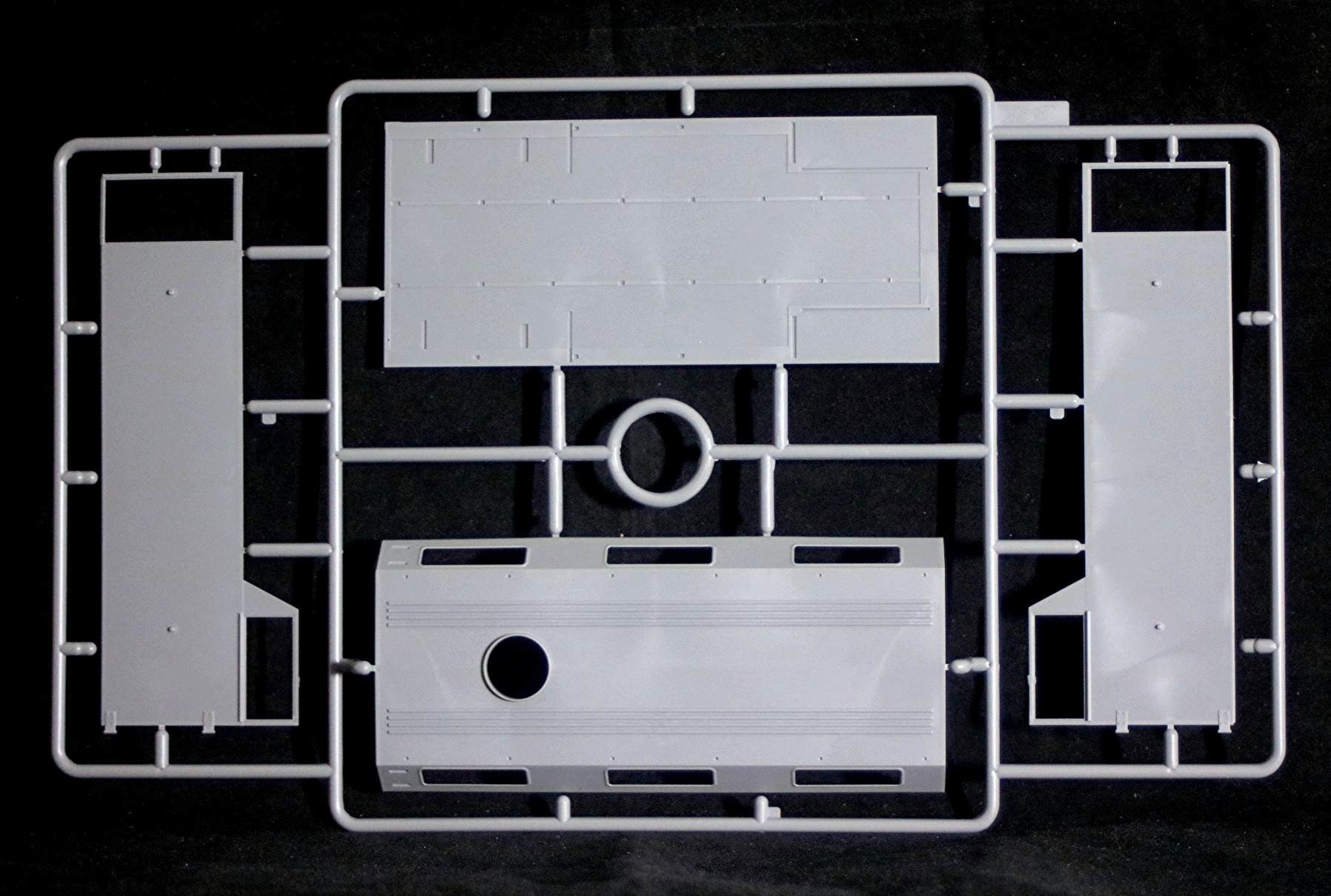
The KamAZ Fire Truck or AR-2(43105) Hose Fire Truck or hose layer in the UK. The special fire hose truck is designed for mechanised laying of the fire hose lines from the fire site. Production of the vehicle began in 1989. The vehicle is based on the off-road Kmaz-43105, which has proved itself. A speciality prepared chassis is fitted with an all-metal body with side and rear doors. The body is divided into compartments. The front one houses fire-fighting equipment, the body also has special racks that can form sections of different sizes, and the rear one holds all of the fire hoses.
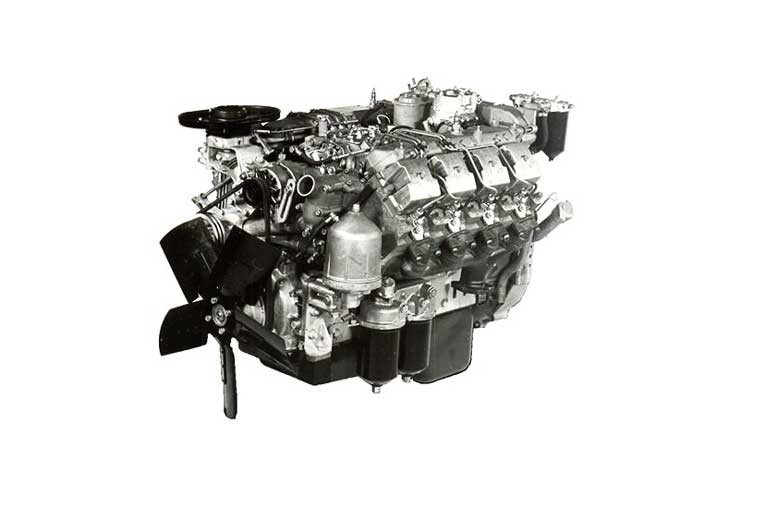
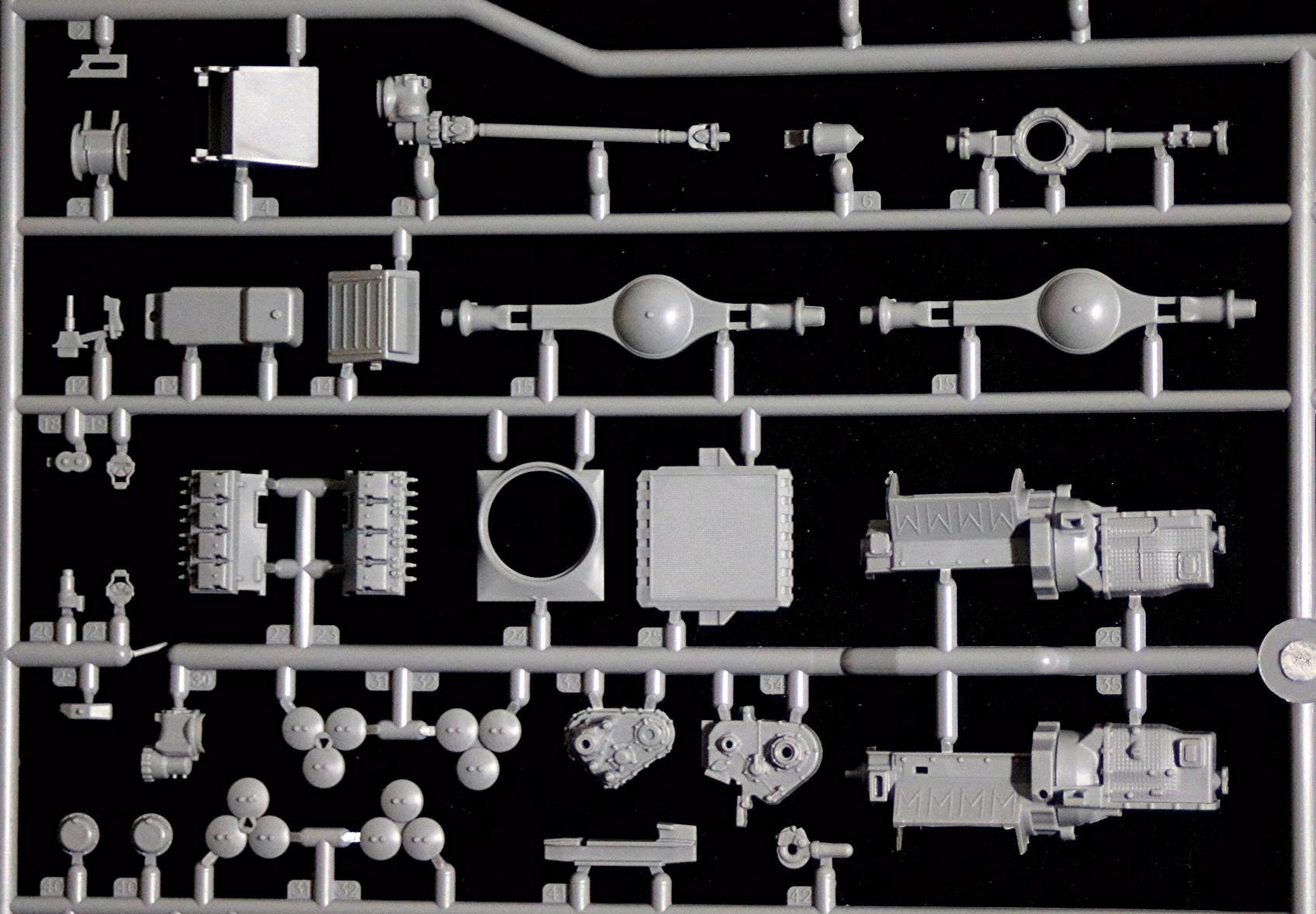
This Hose Fire Truck starts the build with a very nicely detailed chassis, two singulars connected by six further cross members, the first rear cross member, which has the guide for the winch, which sits just behind it. Further, along the chassis is a transfer box. After the rear suspension is finished, we move on to one of the best model engines I have ever seen. The KamAZ-740.10 A V-8 diesel engine with 210 horsepower, with a displacement of 10.85 litres and a Torque of 637 Nm and equipped with a liquid-cooling system.
The engine has to be one of the main parts, starting with the bottom of the engine or block, as we call it. Then you are applying the manifold to the cylinder on either side of the V8, which then sits in at the top of the block. There are so many pieces to this engine that include filters, including oil, fuel and air and electronic parts. Then the final parts are the alternator, fan belt, with tensioner and fan. The engine is an amazing piece of engineering by ICM, which keeps evolving time and time again under the leadership of the Managing Director, Valeriia Buzina, who took over from her father; long may this continue. I know just how much this company has grown and now has a very long line of interesting models, and has me drooling to find out what the next year will have in store for us.
So, to give you an idea of just how good this hose layer is, it can lay hose lines for up to or just over 2.5 kilometres away from the fire ground, so how long would it take for firefighters to take to lay 2.5 miles of hose, and what resources would it take? Laying 2.5 km of hose could take 20 to 60 minutes or longer, depending on terrain, resources, and whether the hose is deployed from a vehicle or manually.
This would require specialised equipment like a hose-laying vehicle or multiple fire engines with large hose capacities, along with a crew of several firefighters.
Without a specialised vehicle: This could take 40–60 minutes or longer. It would involve multiple fire engines and several teams of firefighters manually pulling and connecting the hose sections.
So, how long would it take for the AR-2 4310 KamAZ fire hose truck?
Laying 2.5 kilometres of hose with an AR-2 (4310) KamAZ fire hose truck could take approximately 10 to 15 minutes under ideal conditions. However, this is just the time for the truck to drive and drop the connected hoses, and other operational factors could extend the total time.
So, this specific fire truck potentially could cut the time by 45 minutes and be fighting the fire before the arrival of normal pump ladder fire engines, doing a relay from 25 minutes to 45 minutes, a huge time difference when fighting fires. I am sure that the fire services around the world have these trucks in service now, but I am excited to find out more about this mechanised fire truck
There were a few minor details that some of the sprue had some amazingly small pieces that one or two of them broke, but the finished result was very good.
Final thoughts
I found out the fascinating facts about this mechanised hose layer, and I was astonished at the time. If everything comes together and the wind is blowing in the right direction, shave 3/4 of the time firefighters would take. Couple that with the fact that more engines would be used, and there is something to learn from this vehicle.
I have built the first version of the KamAZ truck Soviet KAMAZ-4310 Army Truck(KamAZ-4310)ICM | No. 35001 | 1:35. Albeit an open backed flatbed army truck and I was astonished about the detail and the part number count I did have two issues with it one was the front wheel assembly a small bit of plastic broke and I ended up having to drill a small hole through the wheel and into the steering rack which meant no turning of the wheels there was a few minor details that some of the sprue does have some amazingly small pieces that one or two of them broke but the finished result was very good.
Conclusion
So, what do I personally think of this new kit from ICM Fire Trucks of Ukraine? Since they did their Chernobyl series, which I bought straight away. My love of ICM has been a long-time passion, starting from some of their early kits, which include the free French Spitfire HF. IX kit number ICM 48068 from 2001, and I loved it. Was it the best well for its time? Yeah, I believe it worked well. The detailing on both the AC-40-137A fire truck with monitor on top all of the kit parts have good details and some well excellent does not feel good enough to describe some of different parts believe that the AC-40-137A based on the ZIL 131 I did cut of a number of parts that I thought may have been difficult to do turned out it was very easy I used put the pump together without any issues I also did part of the engine again with the same results
Then on to the AR-43105 Hose Fire Truck and straight away when getting the sprues out of the box, I suddenly found myself being a bit of a petrol head which I am not but the engine and number of parts I had to go and find out about this engine there are two one YamAZ 760 the other which I am sure is the one in this kit which is the KamAZ version which is The KamAZ-740.10 A V-8 diesel engine with 210 horsepower, with a displacement of 10.85 litres and a Torque of 637 Nm and equipped with a liquid-cooling system. I cannot wait to do another diorama build using both engines and put it up on my YouTube channel. Kits come with a lot of plastic. So, two fire trucks with some stunning detail £35 pounds each, two 1/35th scale kits. Another reason for my love, which I do shout out about numerous times, “if you want your hard-earned cash, you just spent on a model kit, then you want them to arrive in good condition I will say that the ICM boxing system, certainly from their new kits, is the Fort Knox of boxes, strong and really good. So, for both kits the RRP is £69.99.
So, from me, it's a resounding yes, these kits, I don’t think you will be disappointed. In fact, I think you will be very happy
The AC-40-137A Cab parts
Enlarged picture of Cab Parts
AC-40-137A Engine
AC-40-137A rear part of the fire engine housing for the pump and water
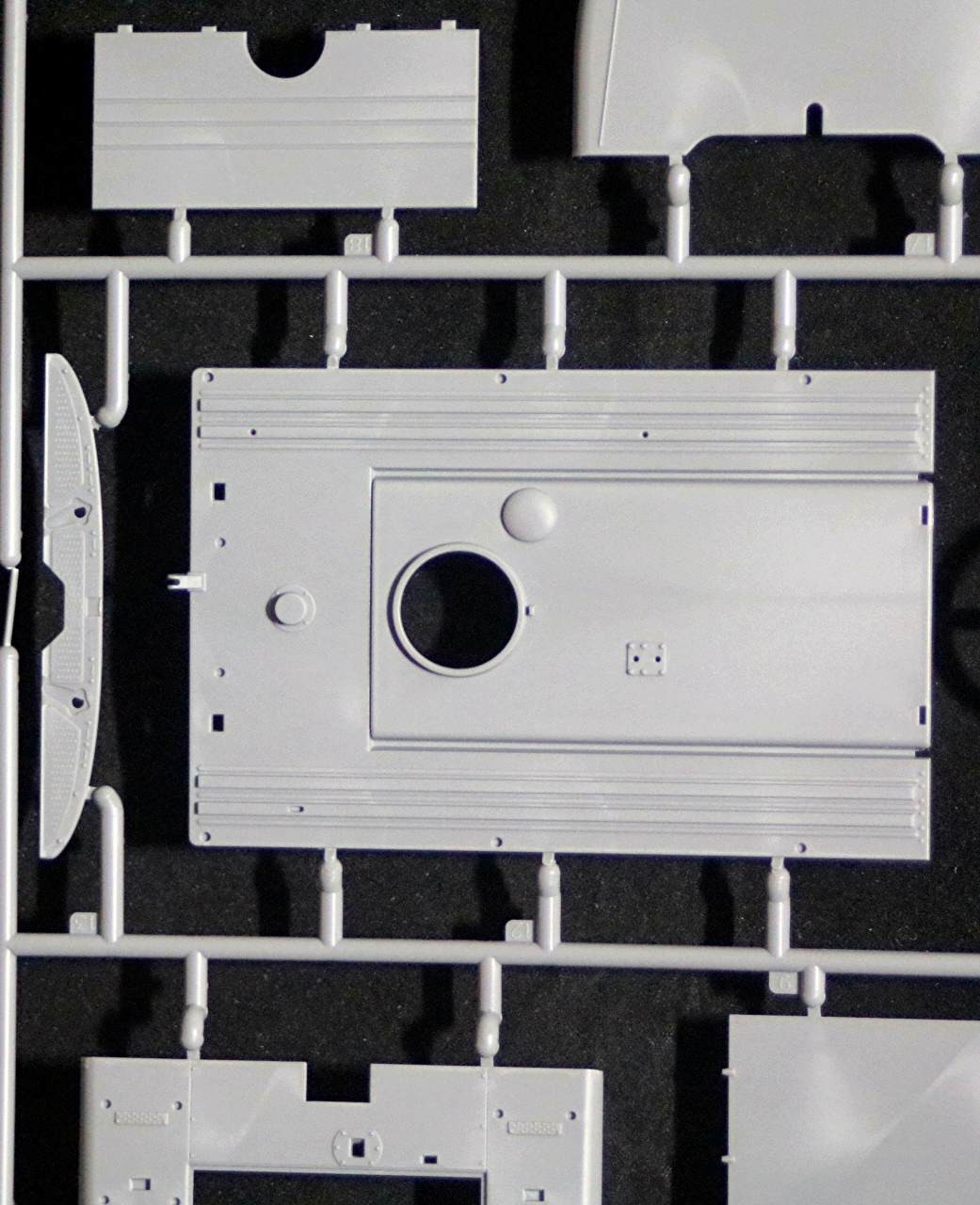
Enlarged back panels
AC-40-137A ZIL Part two of engine parts mostly smaller parts the pump window screen frame
Enlarged phot as above showing the pump
AC-40-137A equipment for the top of the roof
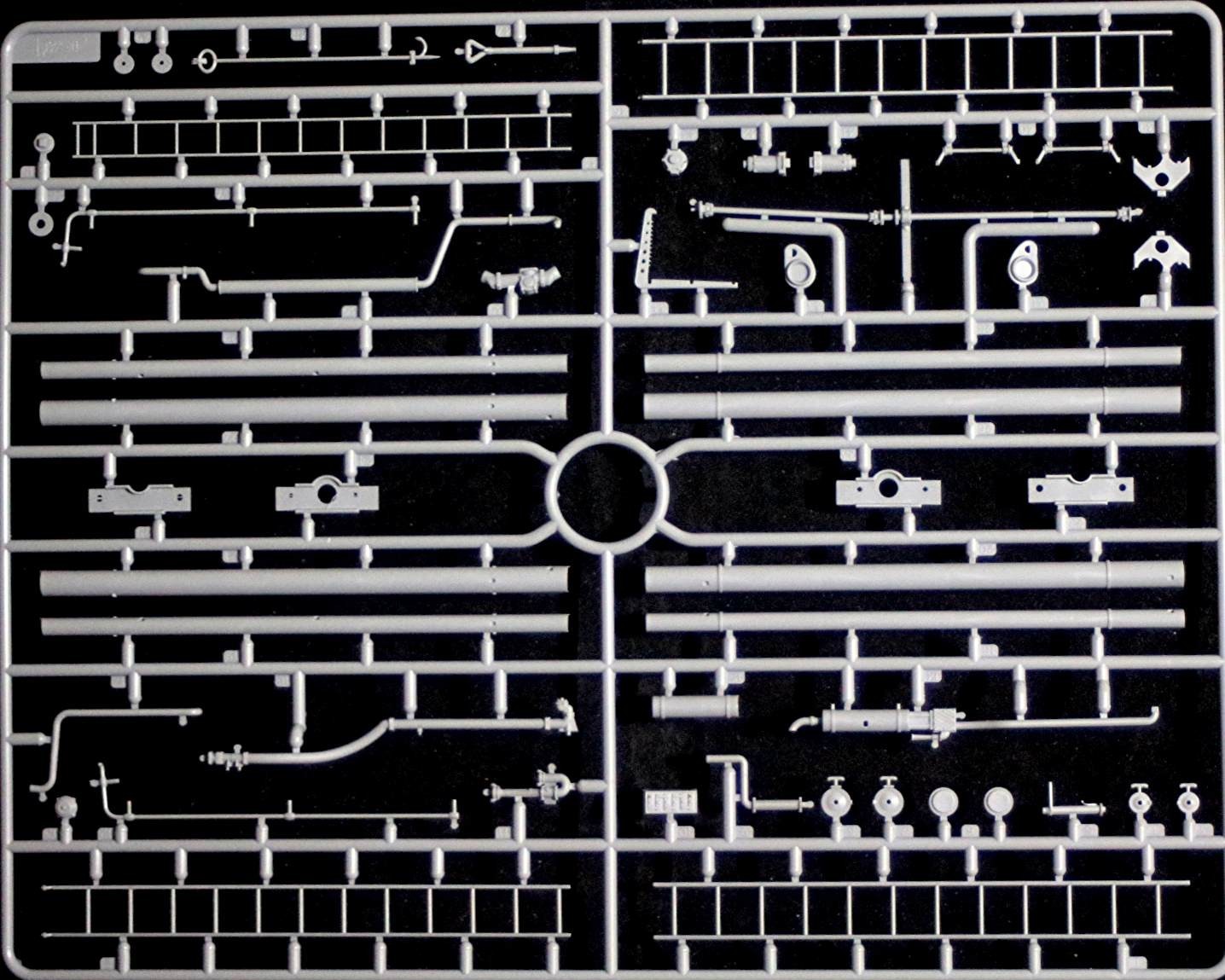
AC-40-137A enlarged pictue ladders exhaust pipes small part of the pump
Window screen side windows light lens beacons
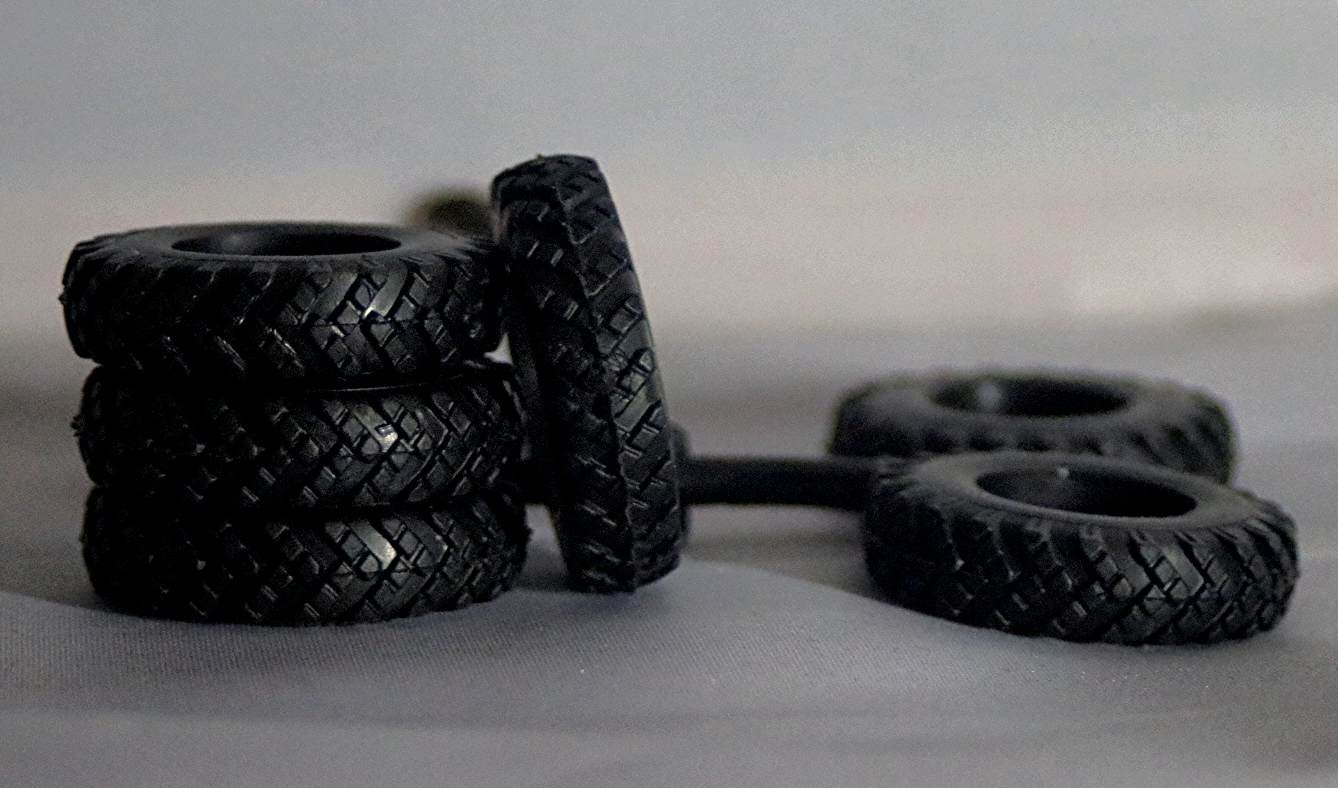
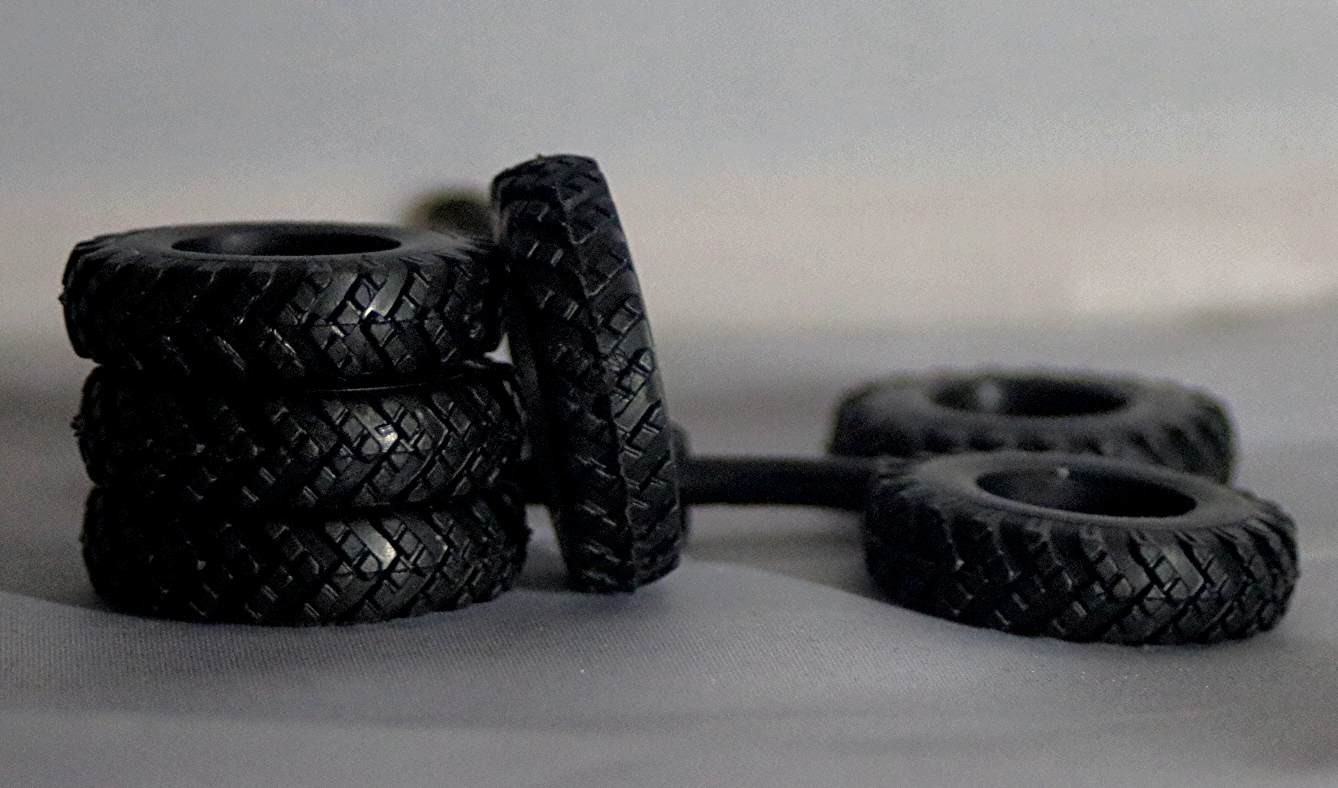
Tires are same for both fire engines.
AC-40-137A decal sheet
An orginal KamAZ AR-2 Hose Fire Truck
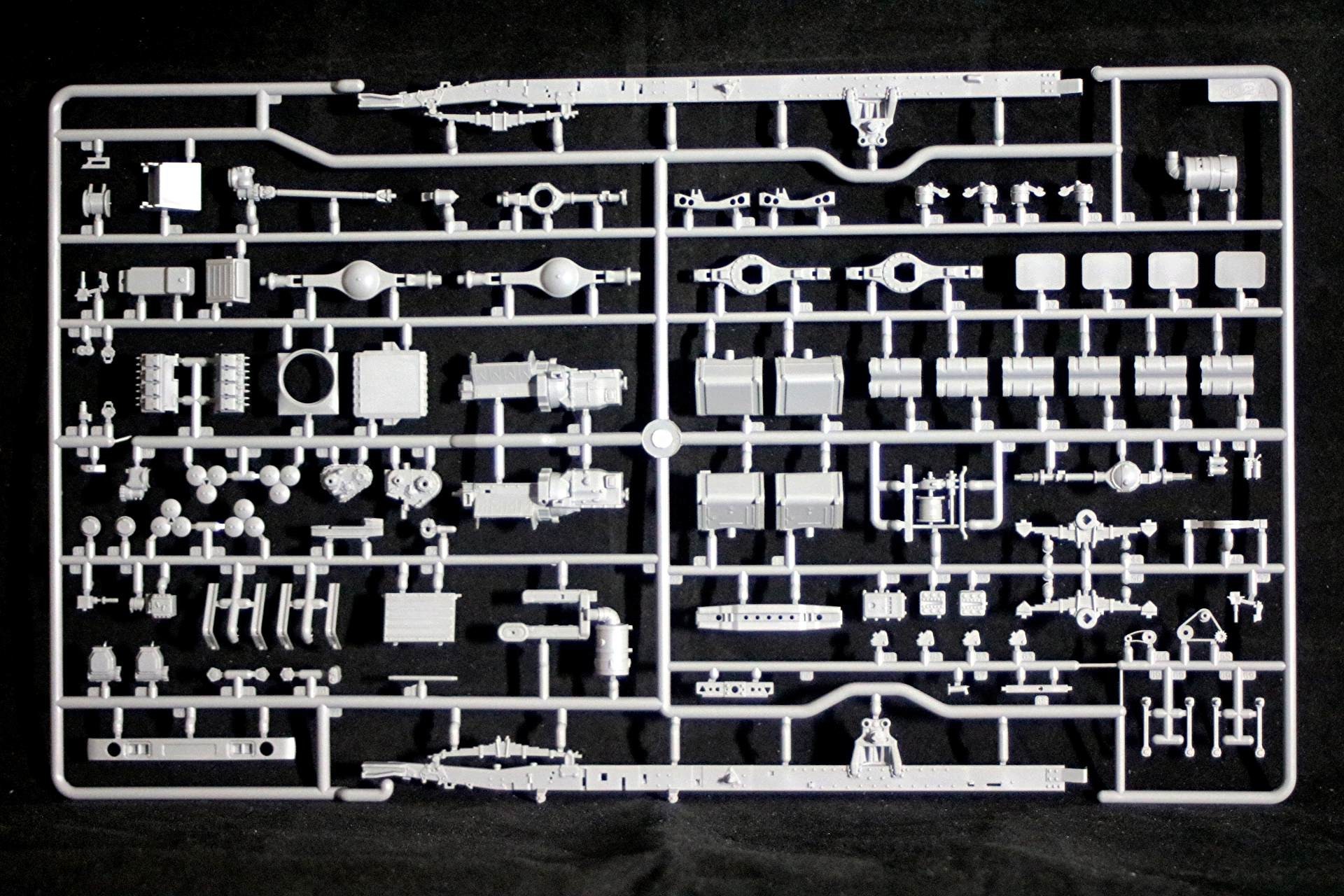
The real engine when built KamAZ AR-2engine
Enlarged engine parts AR-2 43105
KamAZ AR-2 43105cab parts with jerry cans Seats
Enlarged Cab Parts KamAZ AR-2
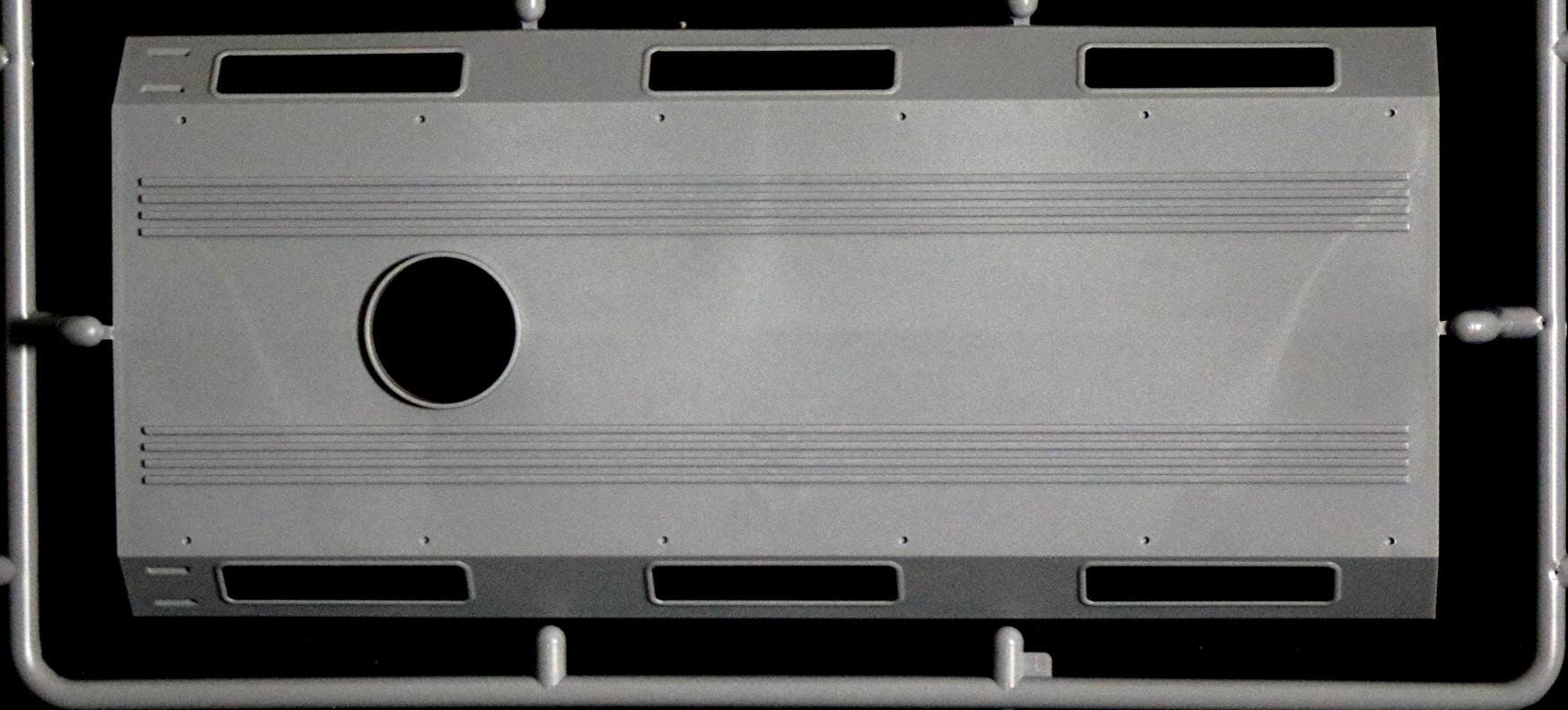
The truck body which would have fire fighting equipment in the front section and the Mechanised hose layer in the back section
Elarged floor of the back
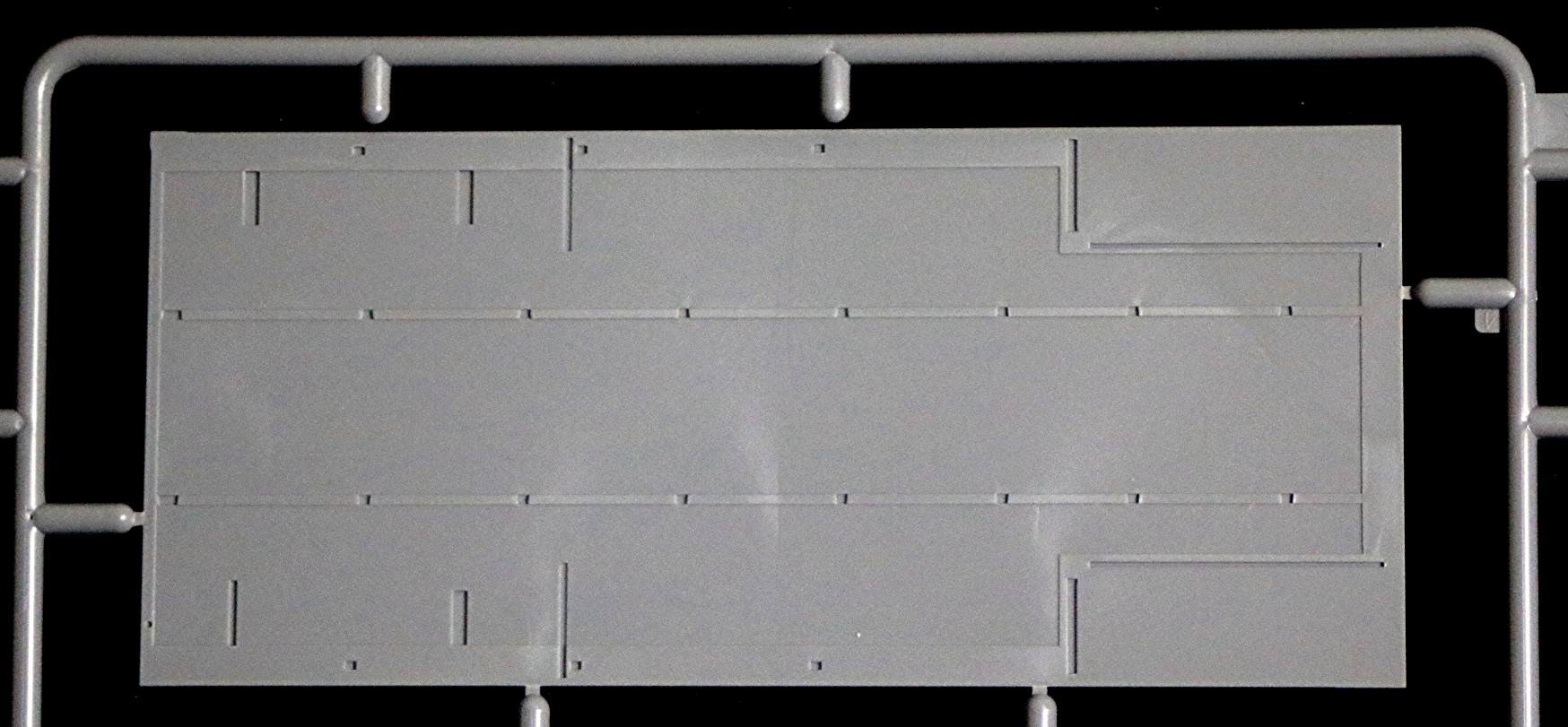
Enlarged roof of the Hose fire truck AR-2
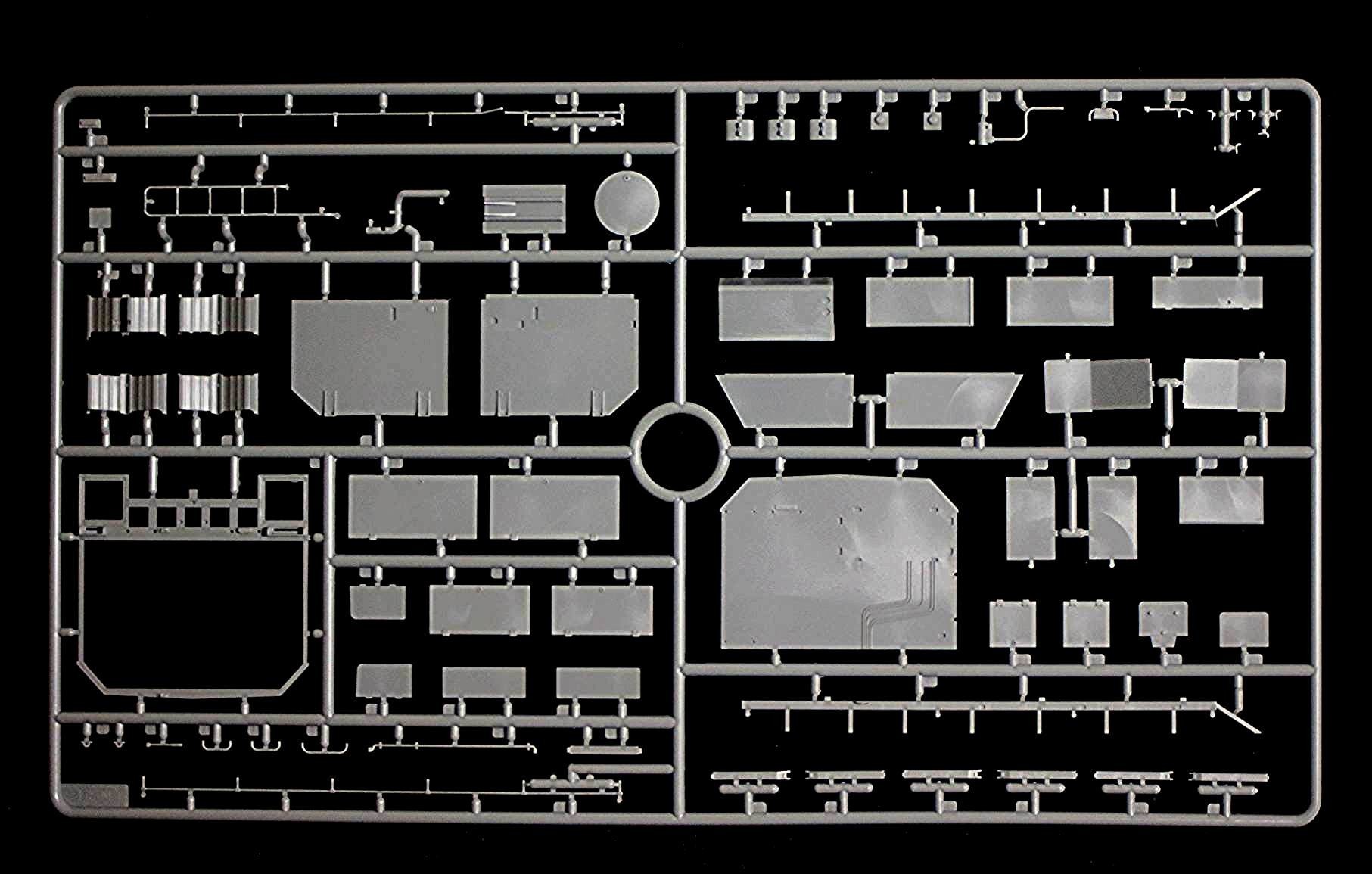
KamAZ AR-2 components for the inside hose layer plus other parts
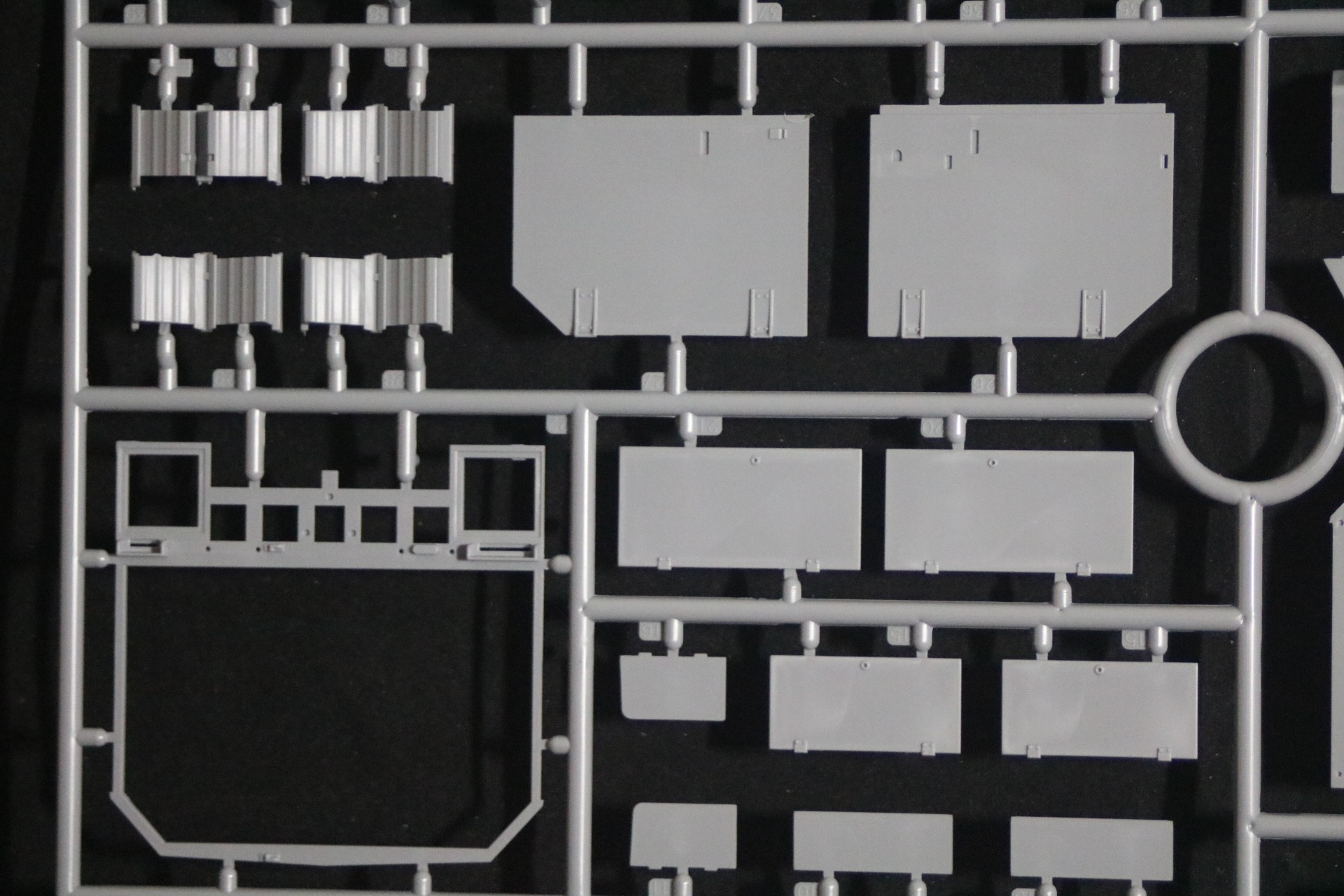
Enlarged picture showing door lockers AR-2
The wheels are exactly the same between AC-40-137A and KamAZ AR-2
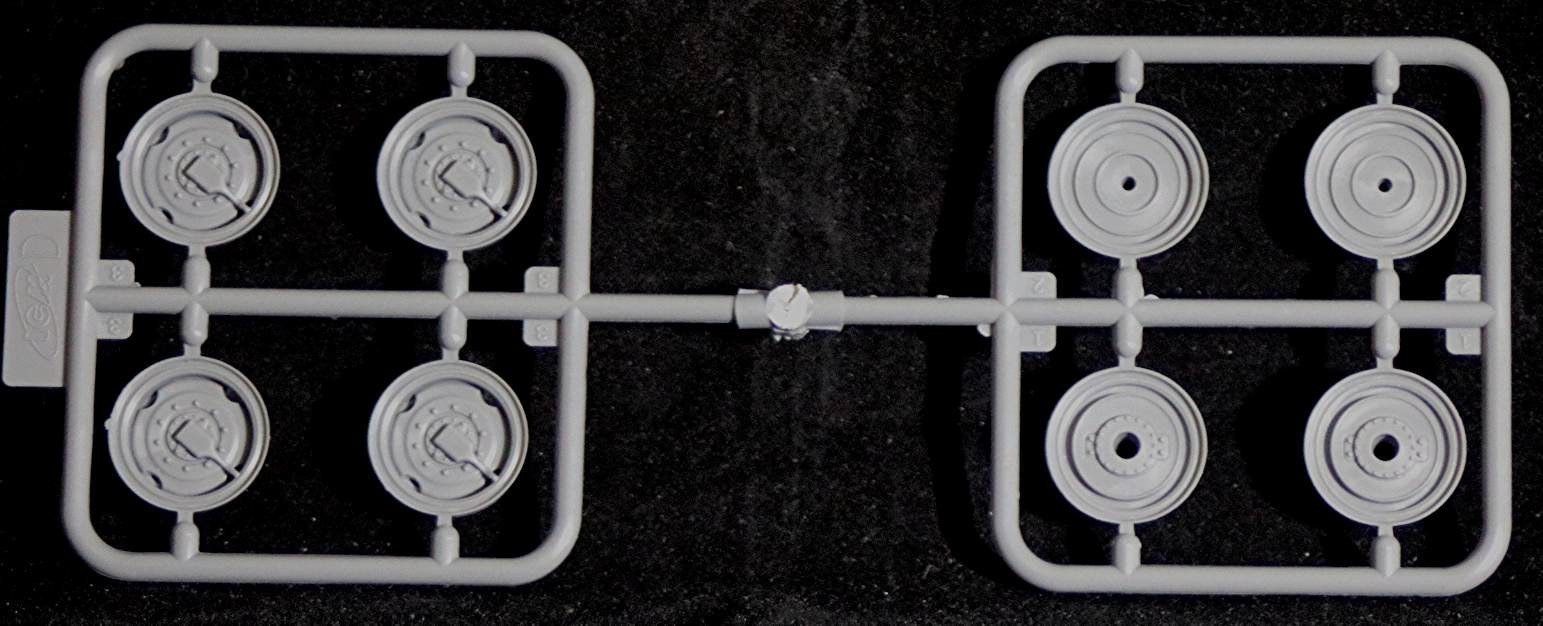
Tires are the same between both fire engines as above
Cab glazing for the cab KamAZ AR-2
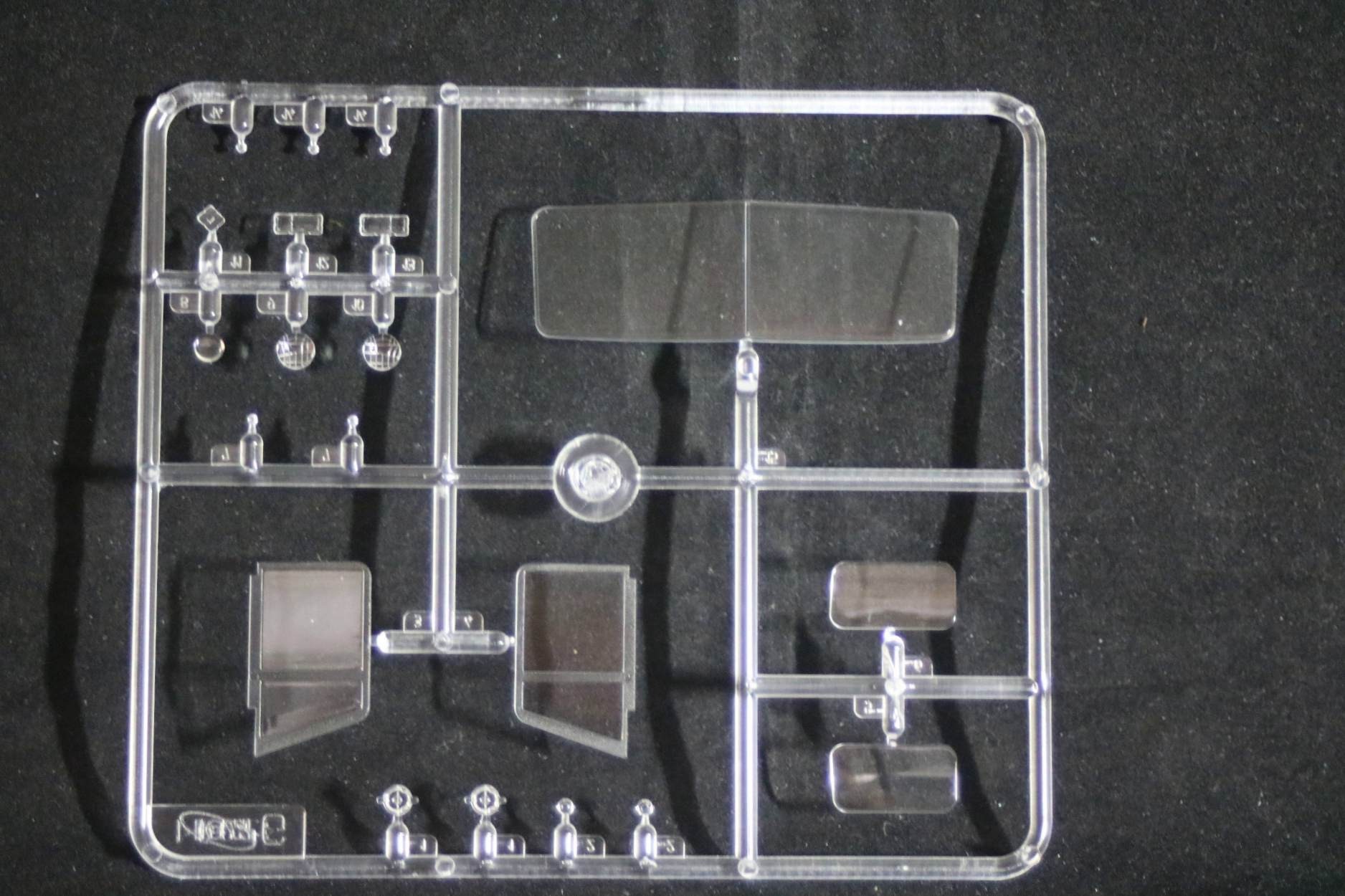
Part 2 of glazing