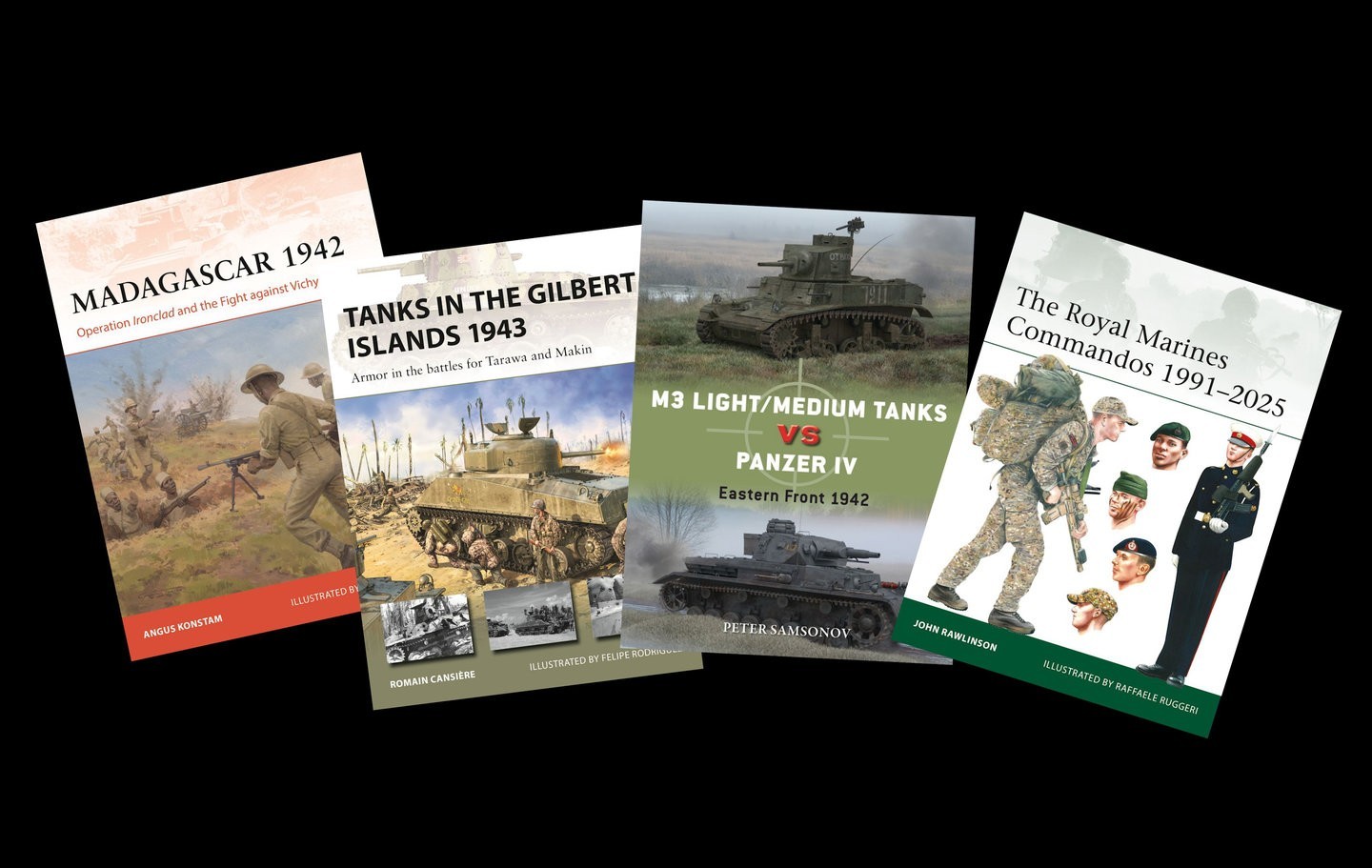












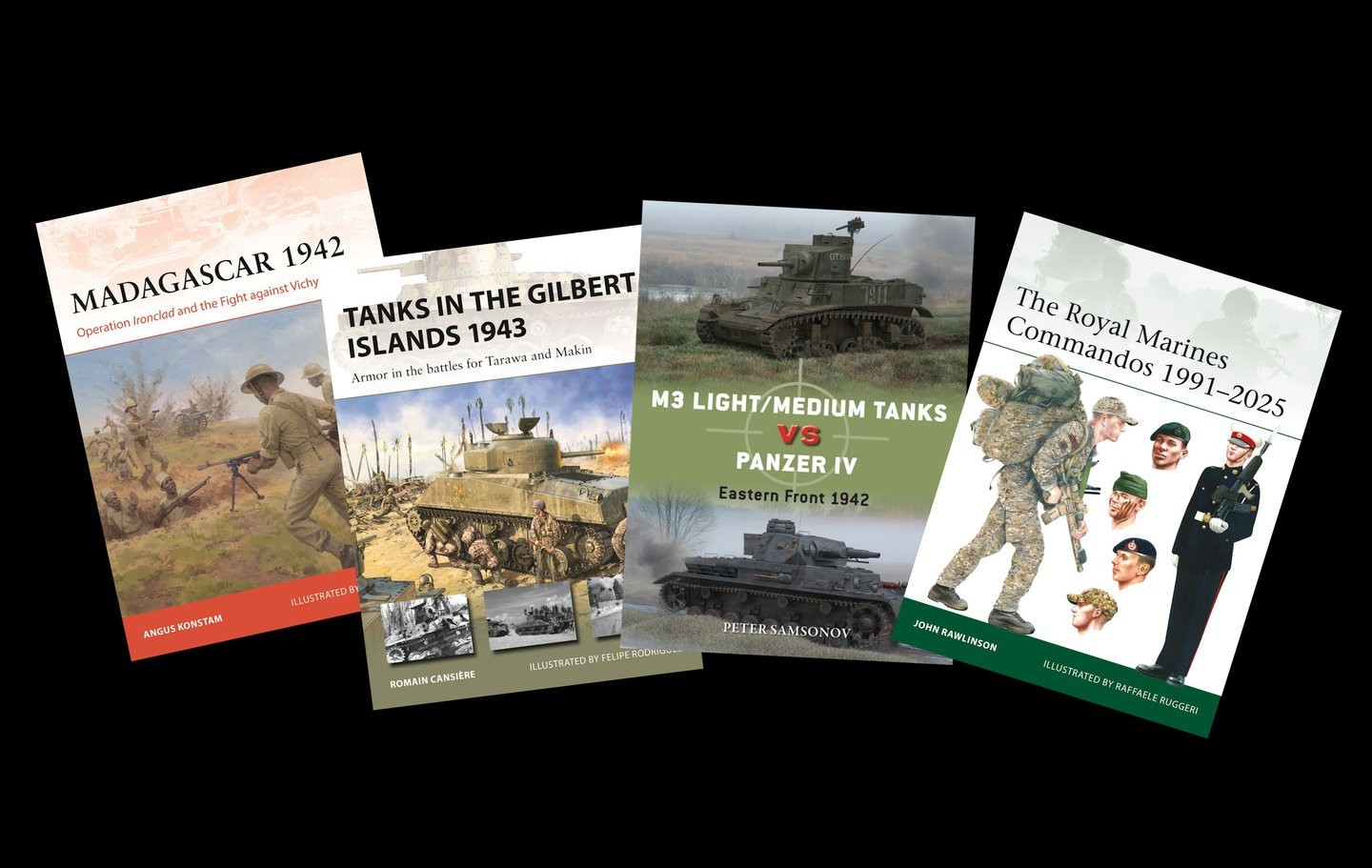
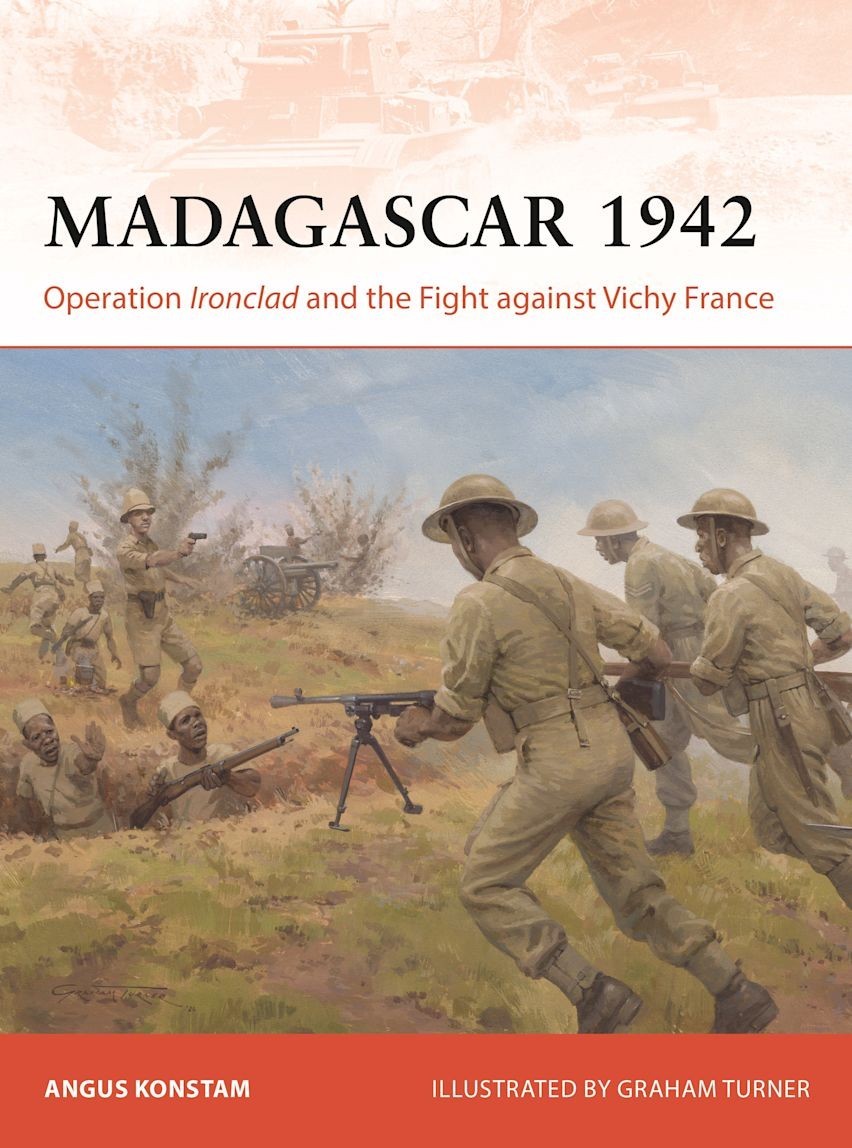
A highly illustrated look at Operation Ironclad and Britain's attempt to curtail any Japanese threat to the Indian Ocean.
The British invasion of Madagascar was brought on by a much exaggerated fear of Japanese power. France had governed the immense island in the Indian Ocean since 1897, but in 1940, it had become a colony of pro-German Vichy France. For a majority of the war, it was considered of little strategic importance, despite the natural harbour of Diego Suarez. Japan's entry into the war changed all that. Suddenly, Madagascar was now a potential target for the Japanese and Winston Churchill insisted something must be done.
Operation Ironclad began on 5 May 1942 with landings near Diego Suarez. Despite heavy Vichy resistance, the port was captured after three days of fighting. The initial invasion complete, the next three phases were relatively low-key to capture the rest of the island. On 6 November, an armistice was signed, bringing this campaign to an end. However, by then, the Japanese threat had largely receded. The island was handed over to the Free French, who governed until the end of the war.
Expert naval historian Angus Konstam brings this largely forgotten, but key moment of the war to life. With stunning artwork, detailed maps and period images, this title delves into the first large-scale Allied operation of the war and sheds light on this often dramatic campaign for control of the Indian Ocean.
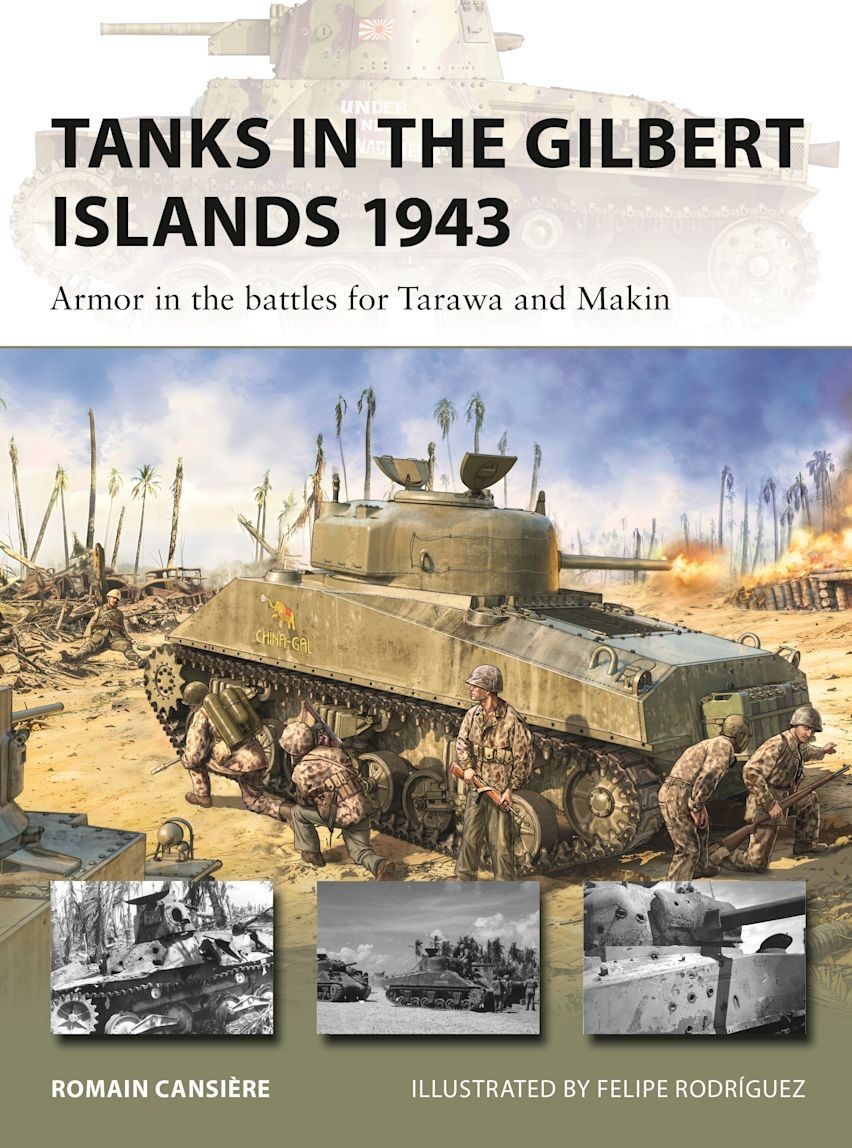
Fully illustrated, this examines how the Gilberts invasion proved the importance and difficulty of using armor in the Pacific, and laid the groundwork for America's island campaign.
The capture of the heavily fortified Gilbert Islands was intended to secure air bases for the Marshall Islands campaign. The garrison commander General Keiji Shibazaki claimed that “a thousand men in a hundred years couldn't take Tarawa”.
Simultaneously, the Marine Corps landed on Tarawa and the Army on Makin, in the first opposed landings of the Pacific War, with armor supporting the assault waves. But as is often the case with pioneering operations, things didn't go according to plan. Reefs, low tides, strong Japanese opposition, lack of communication, and absence of suitable doctrine lead to a near-disaster on Tarawa.
In this book, illustrated with superb new tank profiles and previously unpublished photos, armor historian Romain Cansière examines how the battles for Tarawa and Makin highlighted the difficulties of providing armored support in the Pacific landings. Studying the roles of tanks in both operations, how inexperienced armor crews overcame the difficulties of combat, and the role of Japanese tanks in both battles, this book offers the first account of how armor performed in this 'proving ground' operation, and what lessons were learned for future landings in the Pacific.
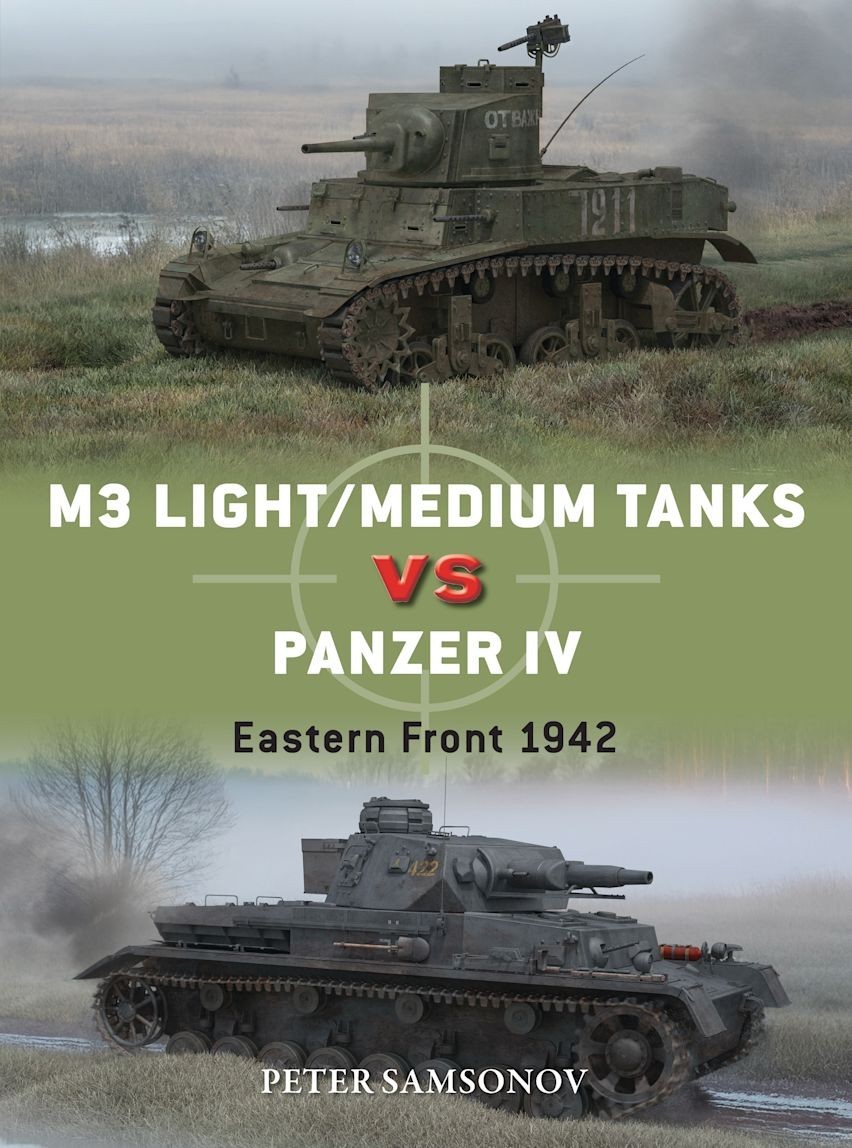
This fully illustrated volume investigates the battles between Germany's Panzer IV medium tanks and US Lend-Lease M3 tanks crewed by Soviet tankers on the Eastern Front in 1942.
In December 1941, a shipment of M3 medium and M3 light tanks, the latest and still unproven products of the US arms industry, arrived in Murmansk. Rapidly pitched into combat, these American designs had to contend with the PzKpfw IV, originally envisaged as a close-support tank but refined in the light of combat experience gained in Poland, France and North Africa.
In this study, armour expert Peter Samsonov sets out the origins, development, strengths and limitations of these very different tank types. He explains how as the Germans regained their footing after their defeat at Moscow and turned their sights south towards Stalingrad in the summer of 1942, the two sides locked horns in some of the bloodiest battles of World War II. Recovering after the appalling losses of 1941, the Red Army's armoured corps had to field inexperienced crews and tanks that were foreign to them in more ways than one while fending off an opponent that had a well-refined tank along with veteran crews to operate it.
The author's insightful analysis is complemented by archive photographs, full-colour maps and specially commissioned artwork to reveal these armour types at war in the crucible of the Eastern Front.
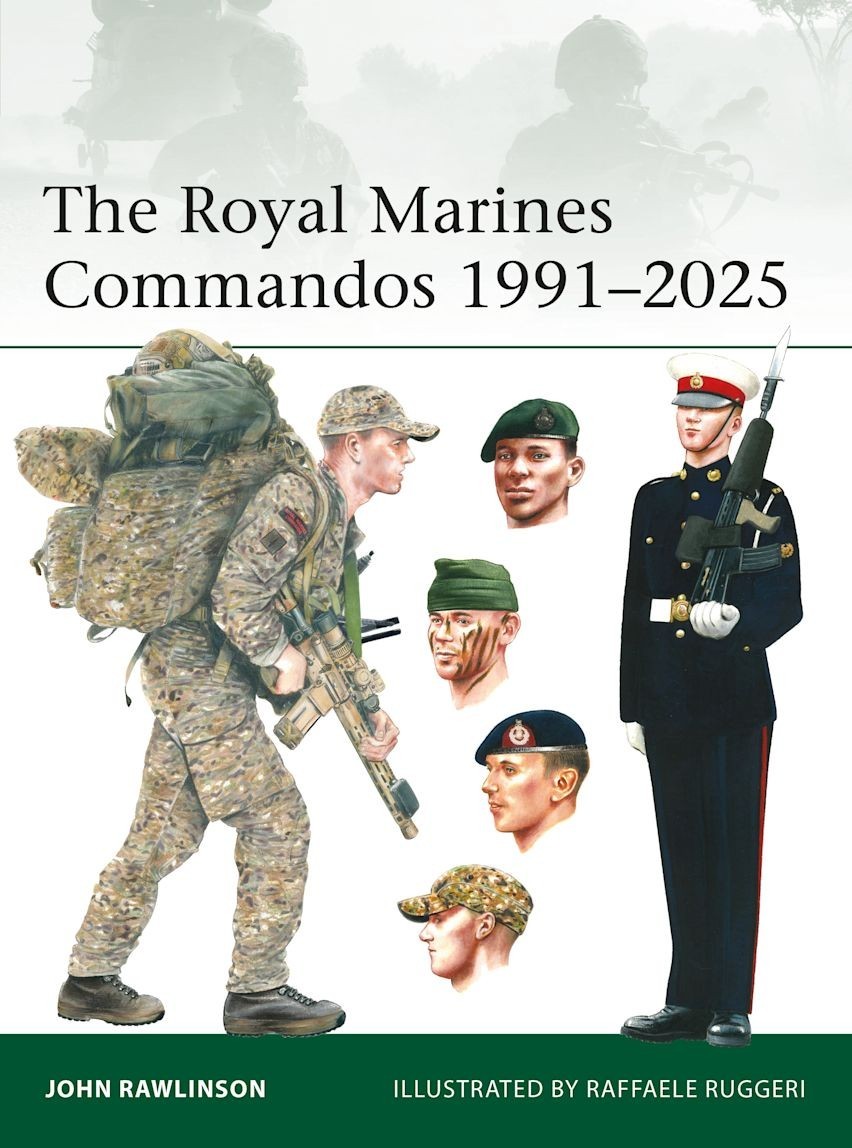
In this fully illustrated study, a renowned authority on Britain's Royal Marines Commandos surveys one of the most transformational periods in the history of this elite unit.
From the dangerous humanitarian and security mission Operation Haven in the aftermath of the 1990–91 Gulf War, through battles in Africa, Iraq and Afghanistan to Kyiv and the Russian invasion of Ukraine, the Commandos have been frequently called upon. These deployments have led to new uniforms, weapons, equipment, tactics and organization, and ultimately the formation of the Future Commando Force in 2020.
It is those changes that are at the forefront of this book, in which authoritative text and vivid specially commissioned artwork convey the evolution of the Royal Marines Commandos' uniforms, insignia, weapons and equipment since 1991. Be it in landing craft, small boats, helicopters, parachutes, jetpacks or by climbing and yomping, they appear where their adversaries least expect them, but first, they must pass the Commando Course and earn the coveted green beret.